1. Cookware Compatibility
Induction requires magnetic cookware. If a magnet sticks to the bottom of your pot, it will work. If not, you may need to replace some of your existing cookware. Cast iron and many stainless steel sets are compatible, while glass, copper, and aluminum typically are not.
2. Learning Curve with Digital Controls
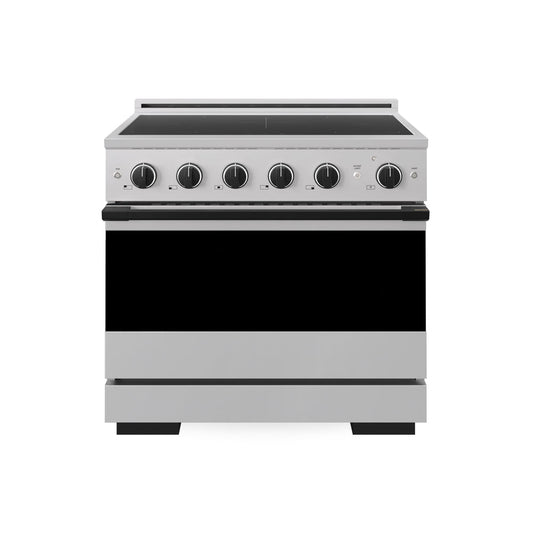
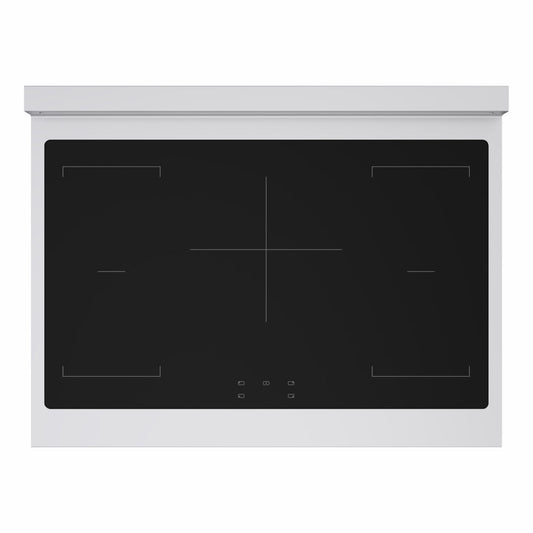
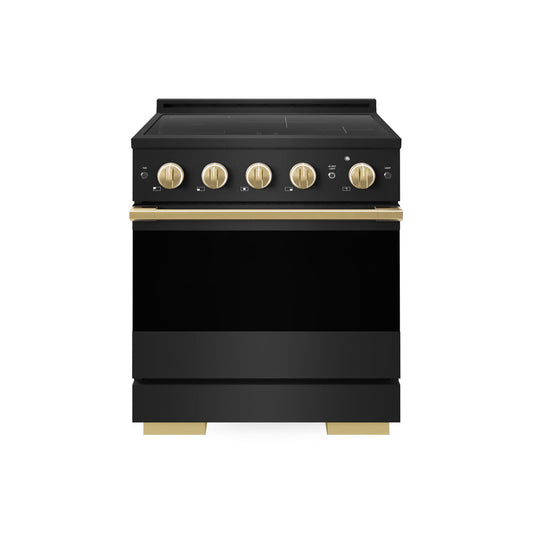
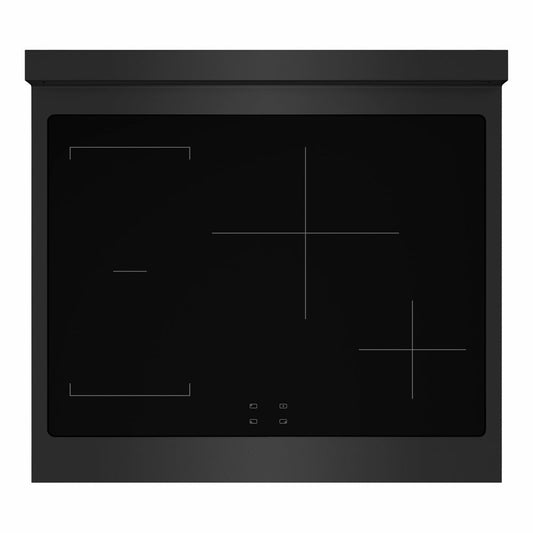
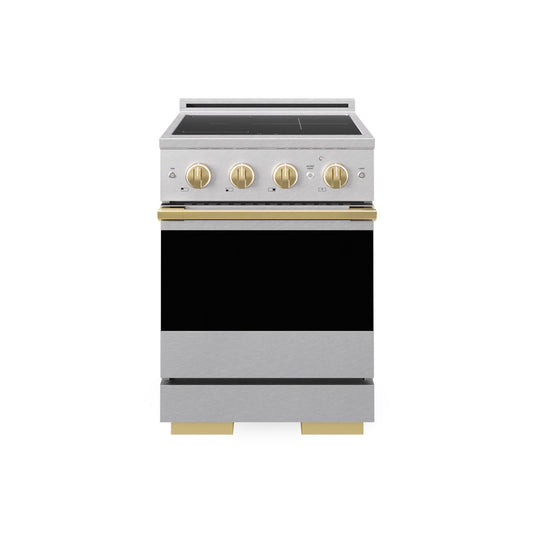
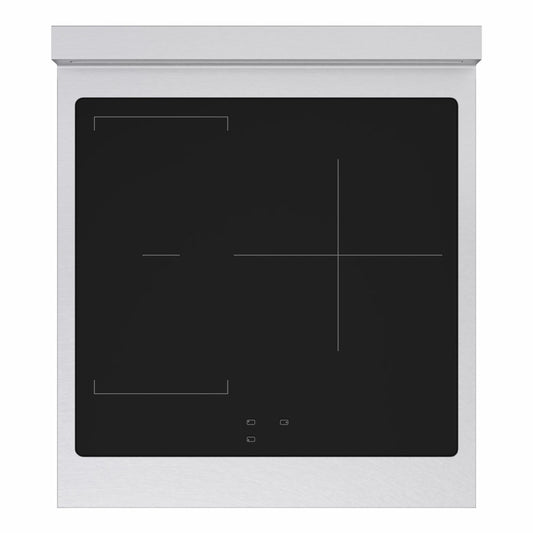
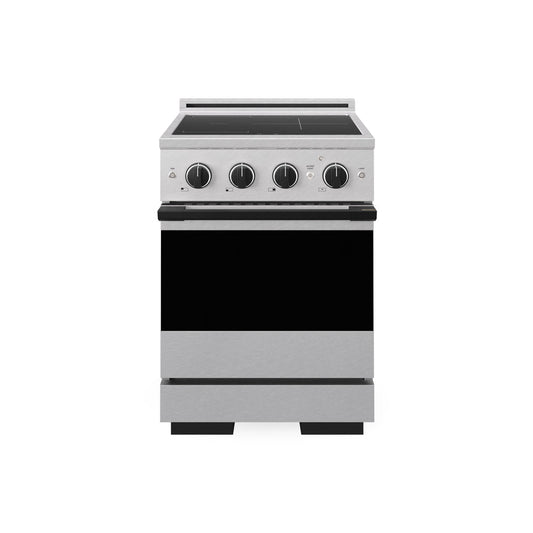
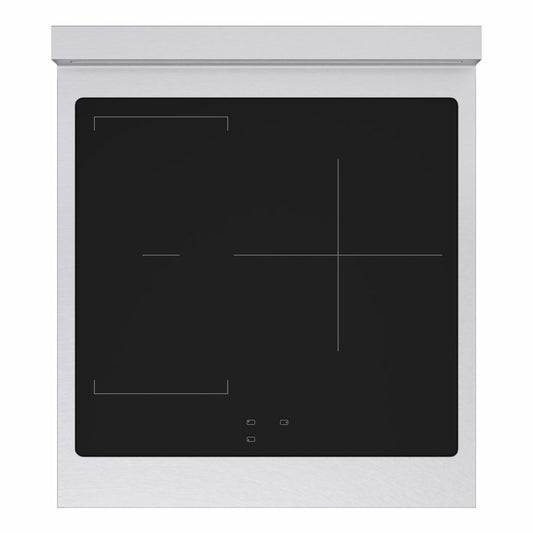
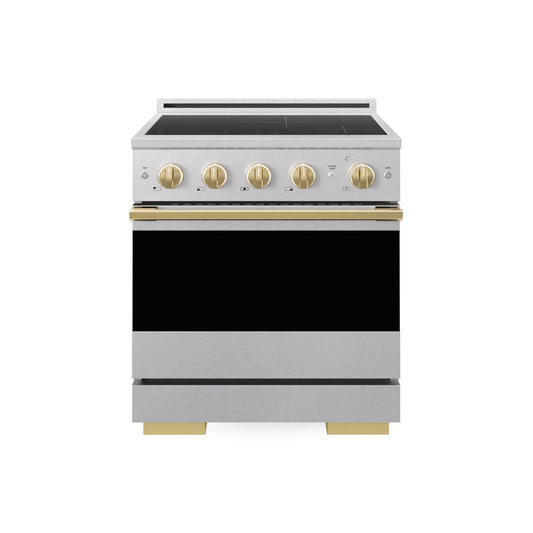
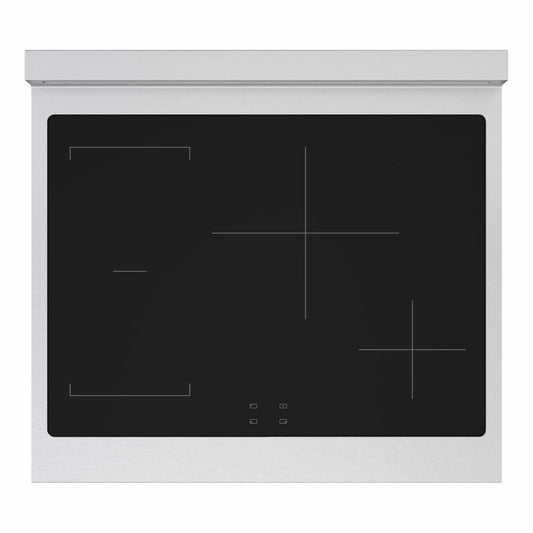
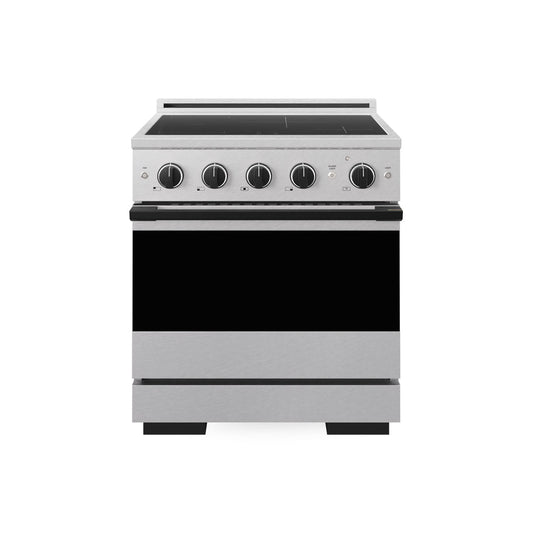
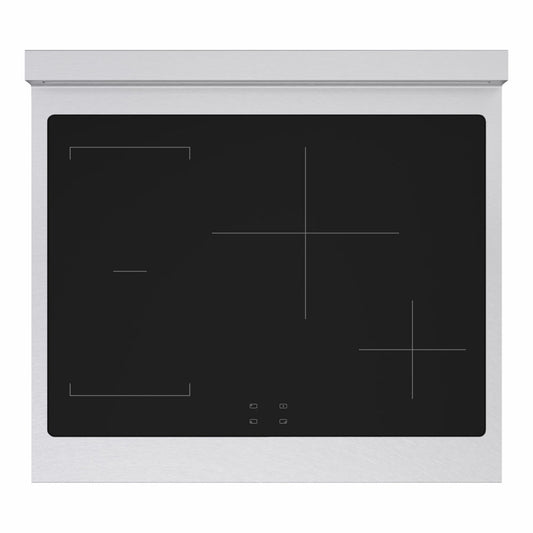
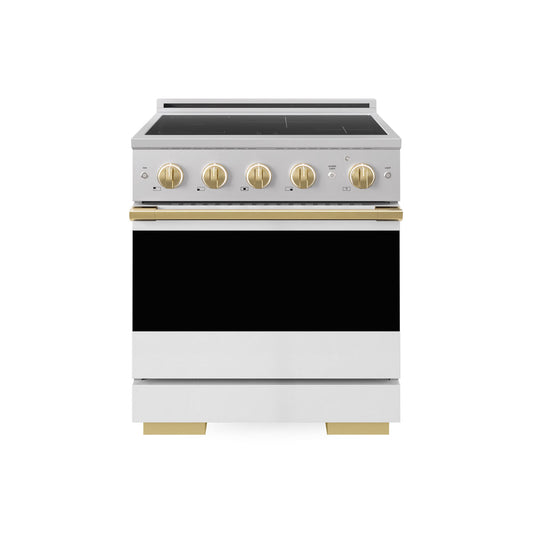
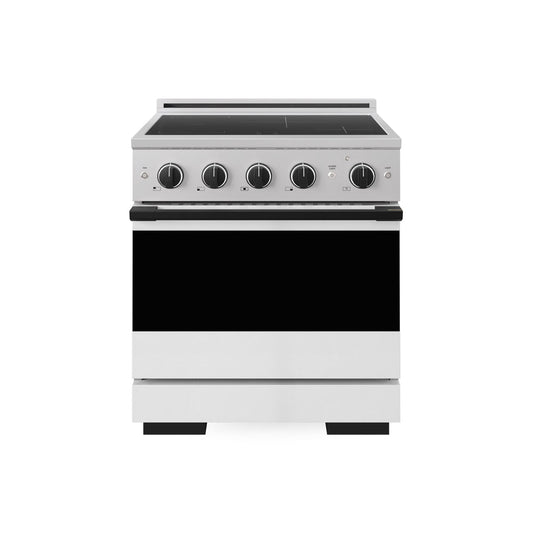
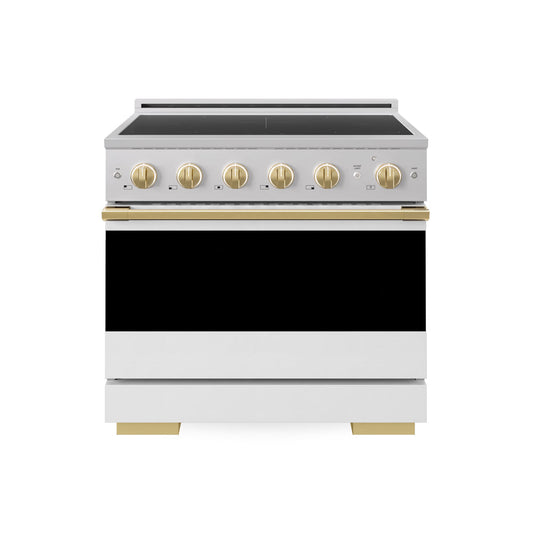
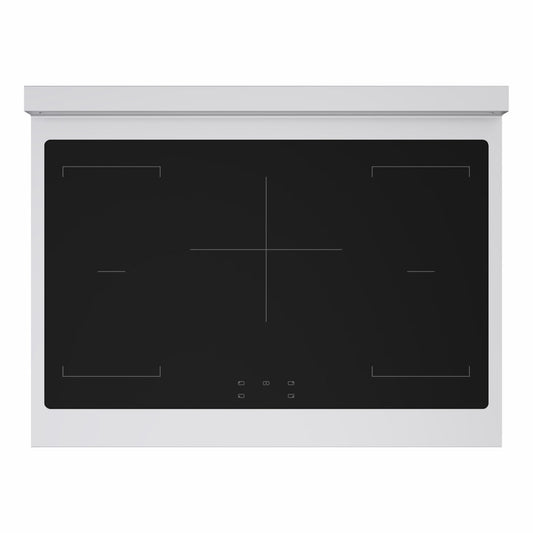
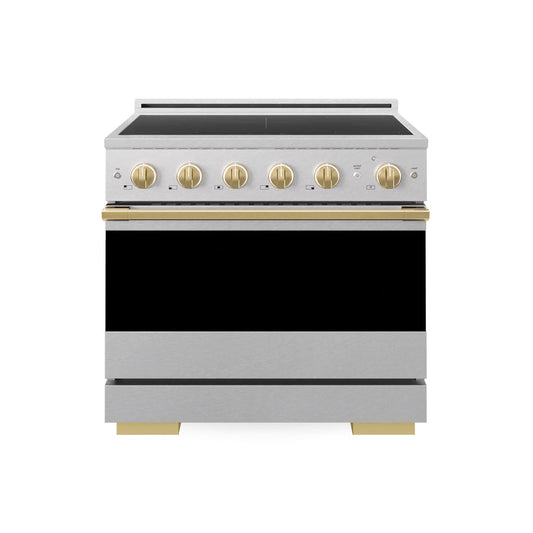
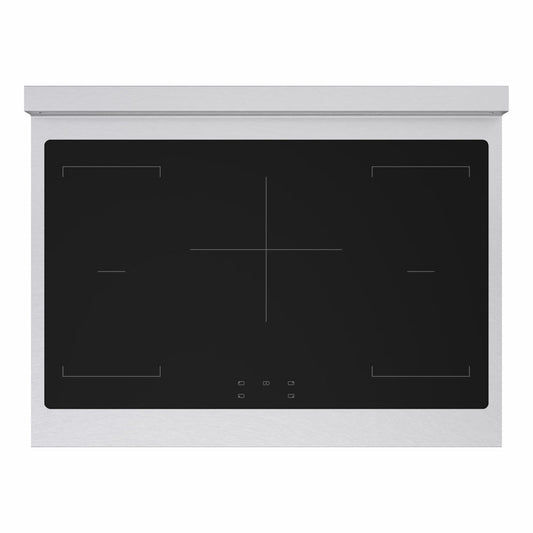
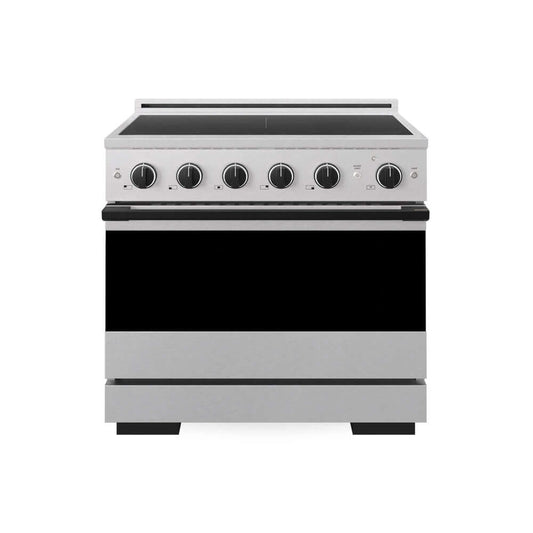
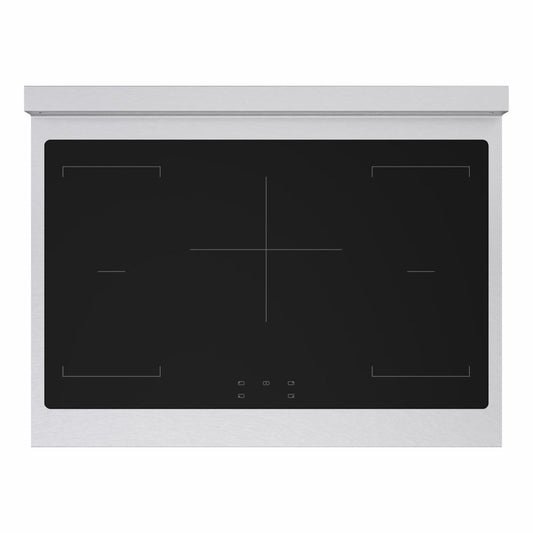
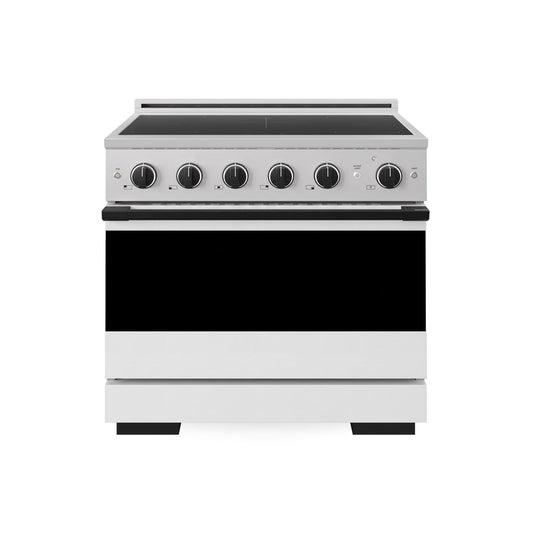
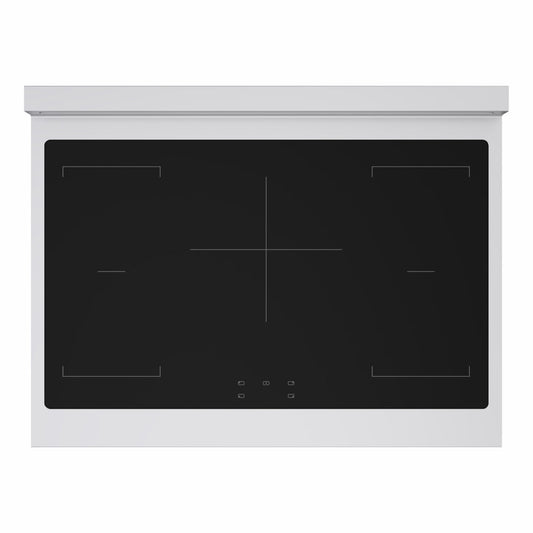
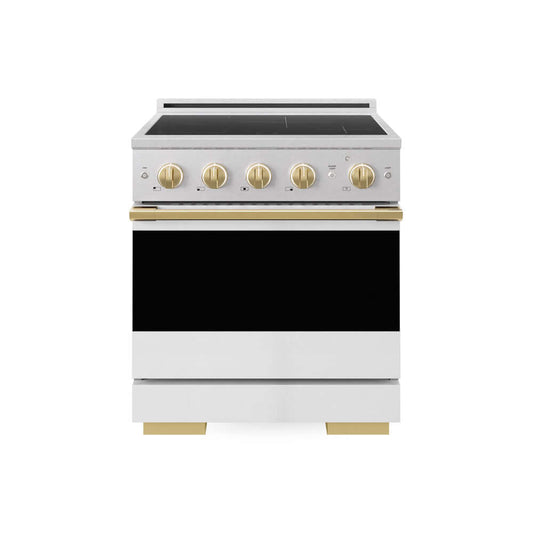
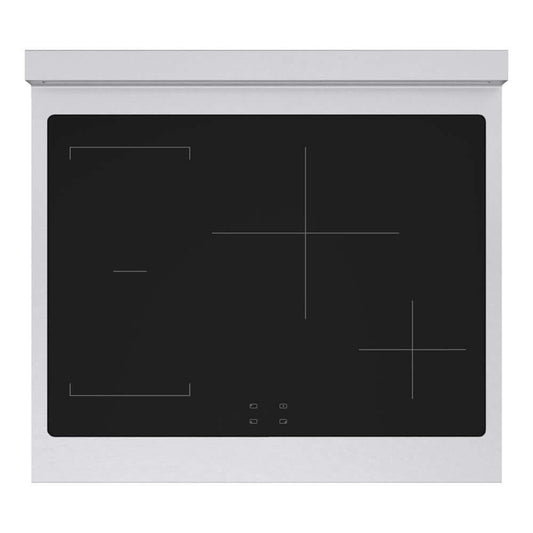
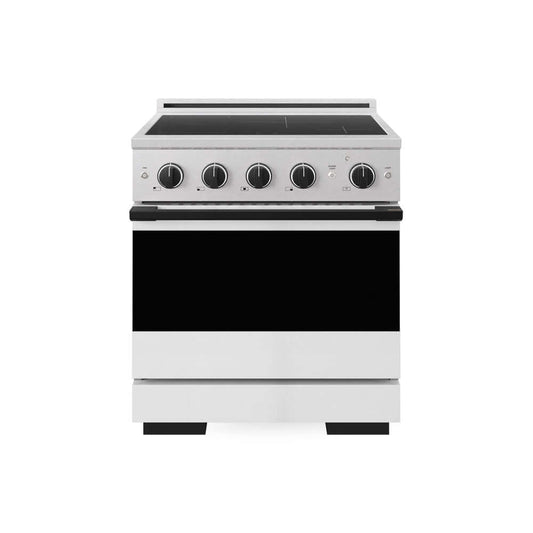
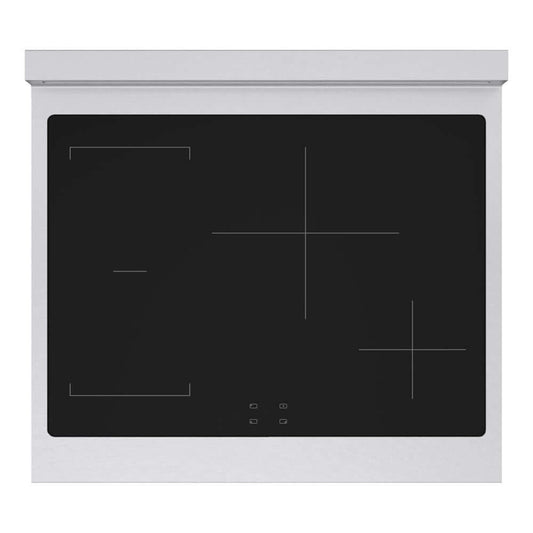
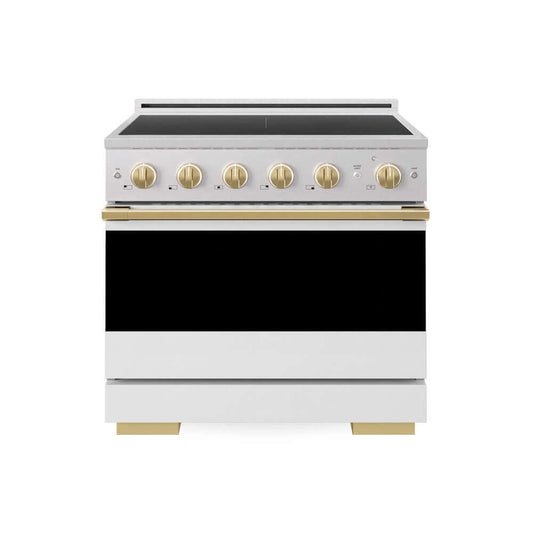
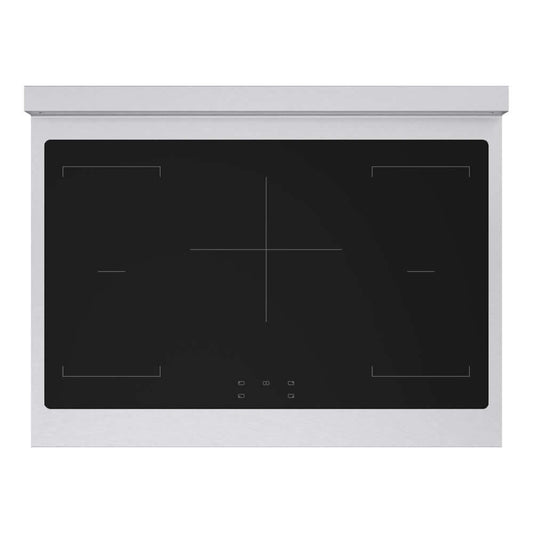
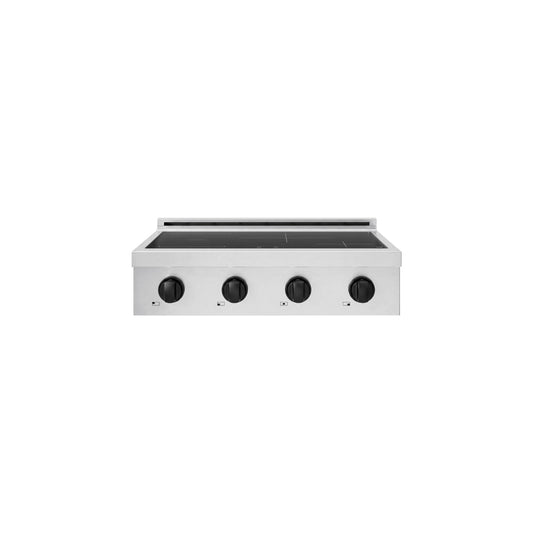
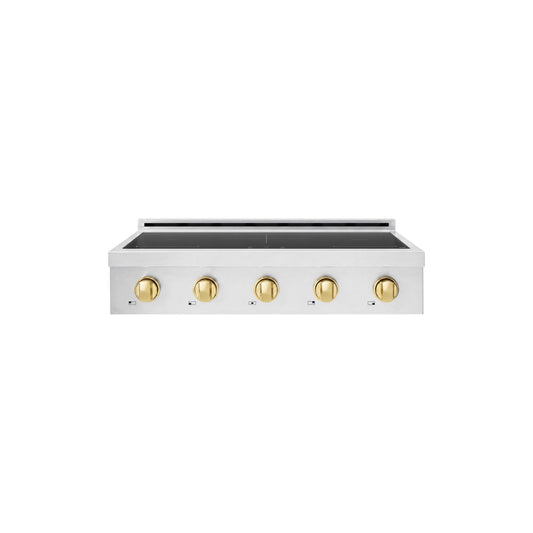
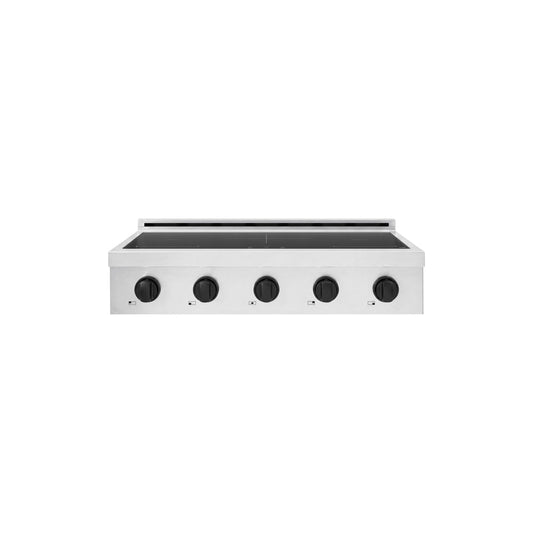
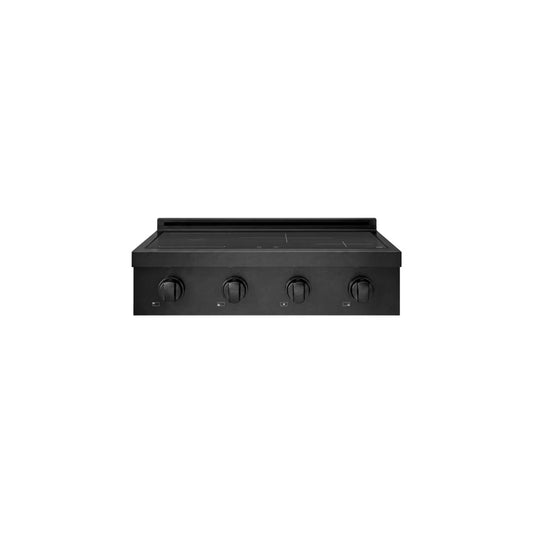
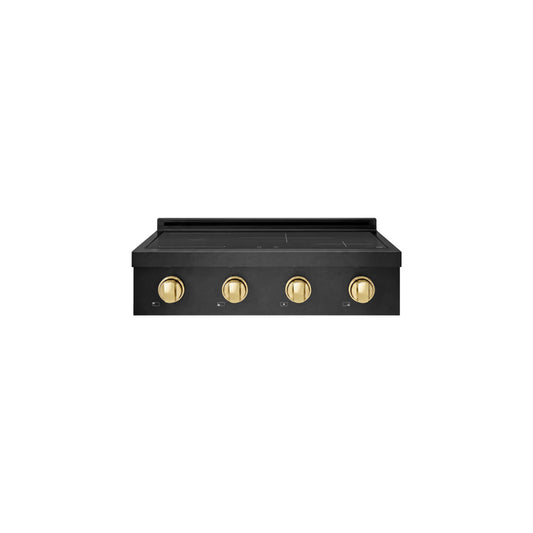
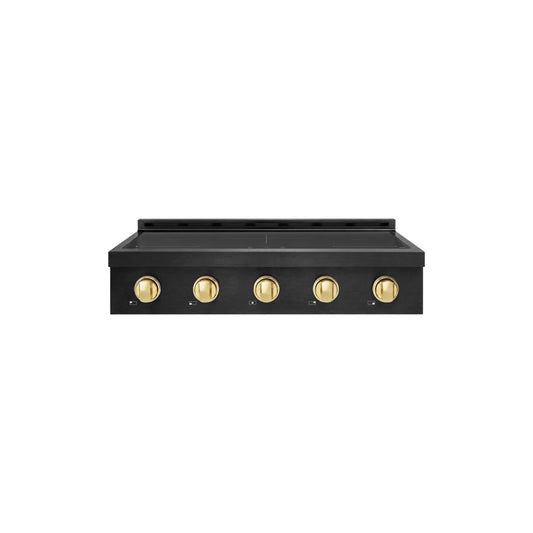
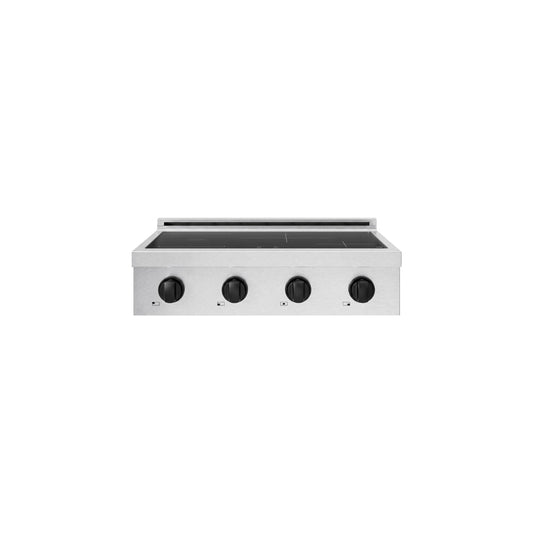
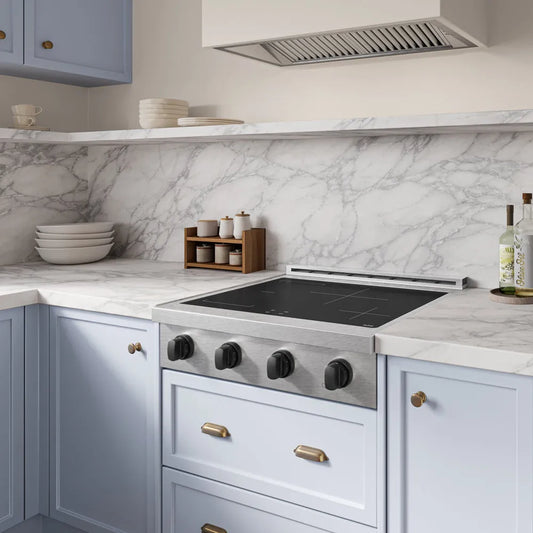
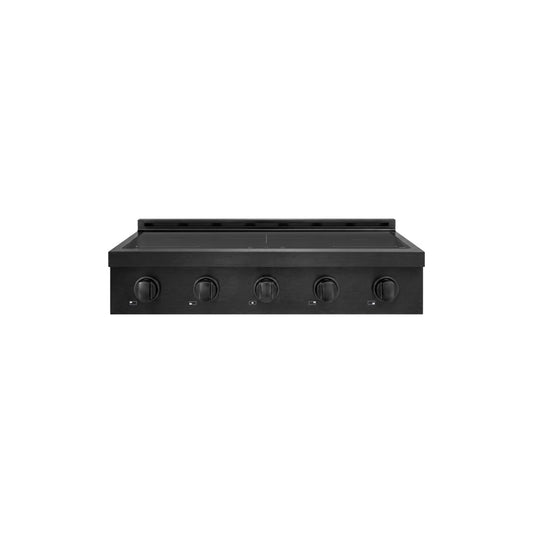
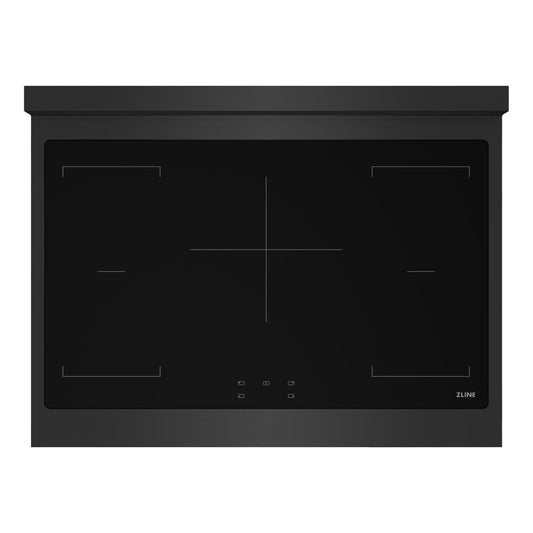
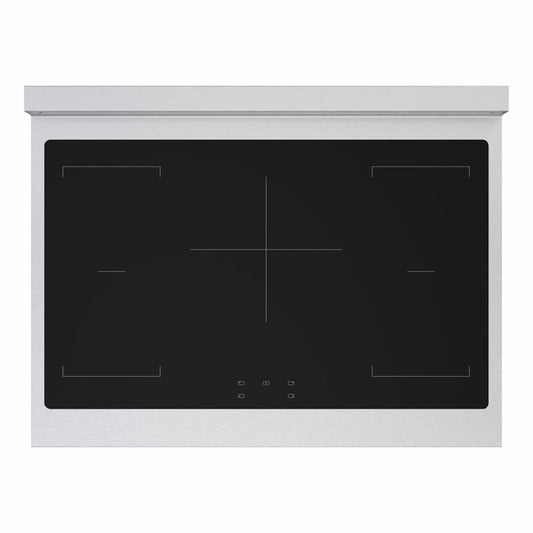
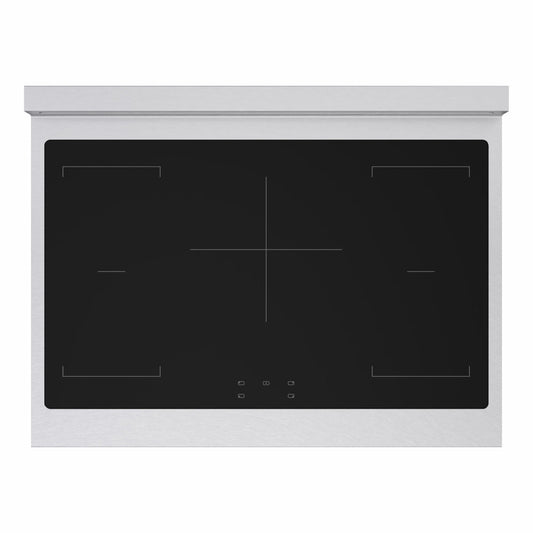
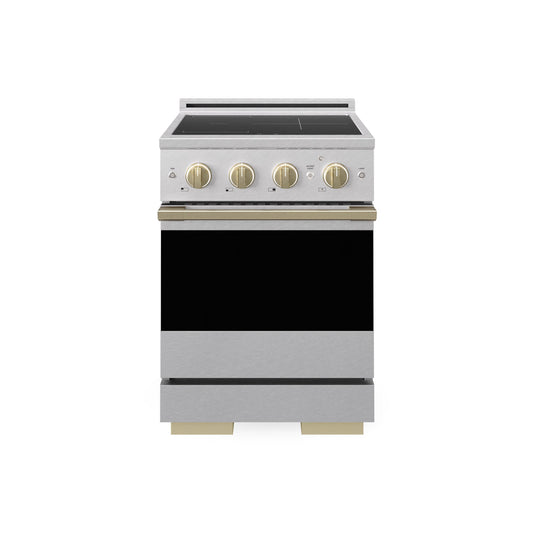
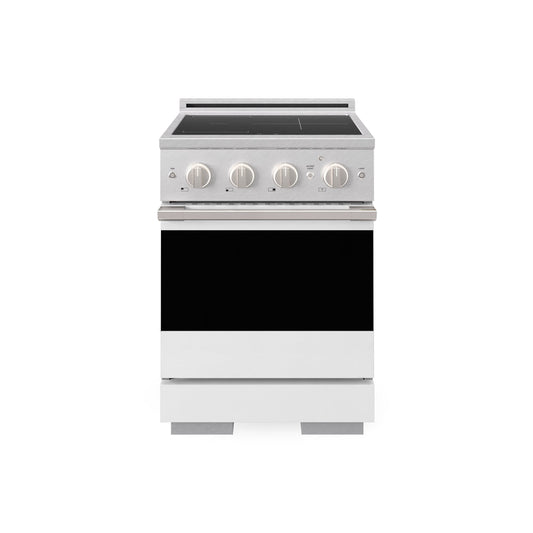
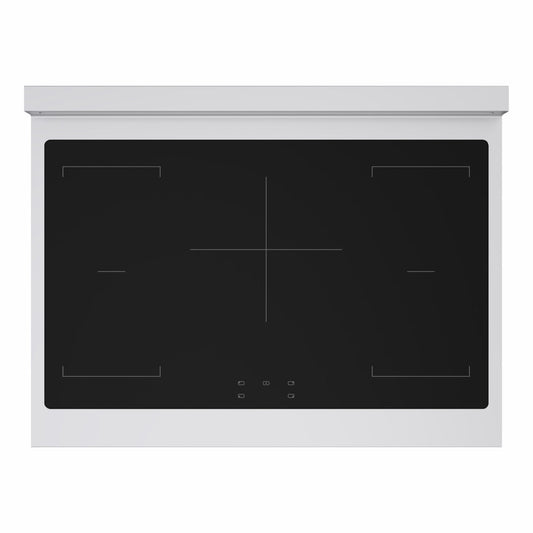
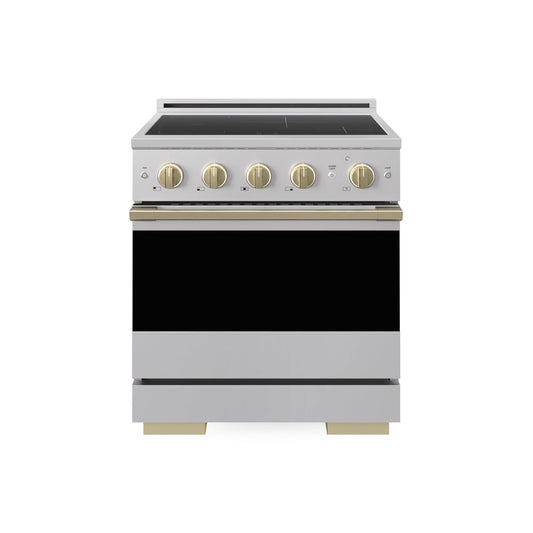
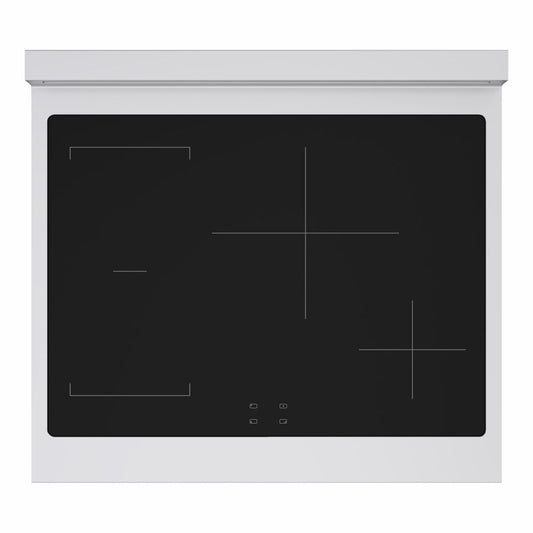
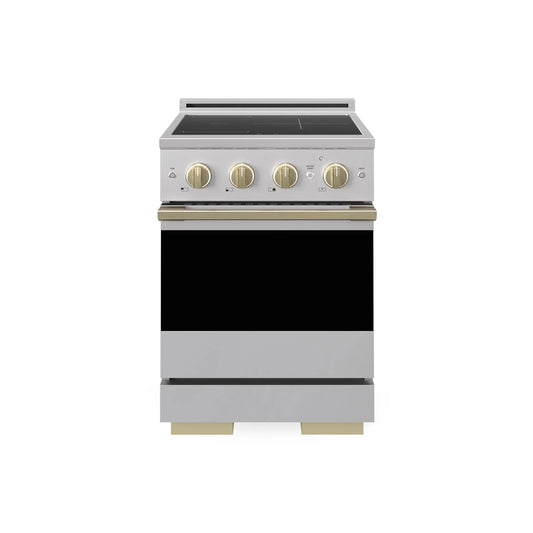
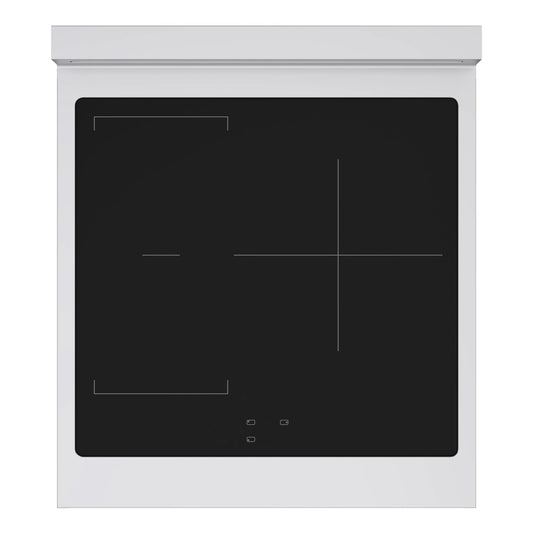
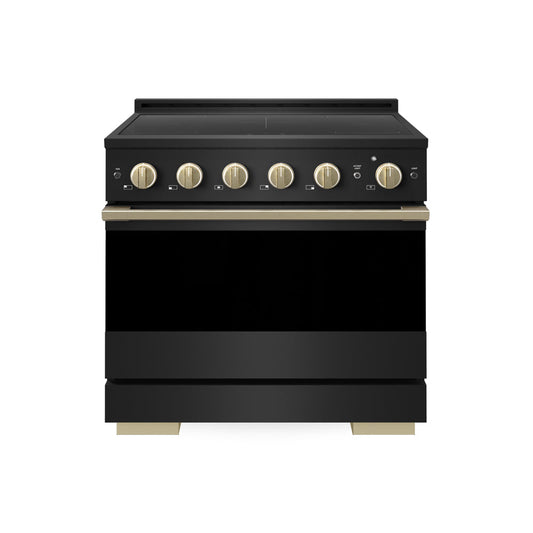
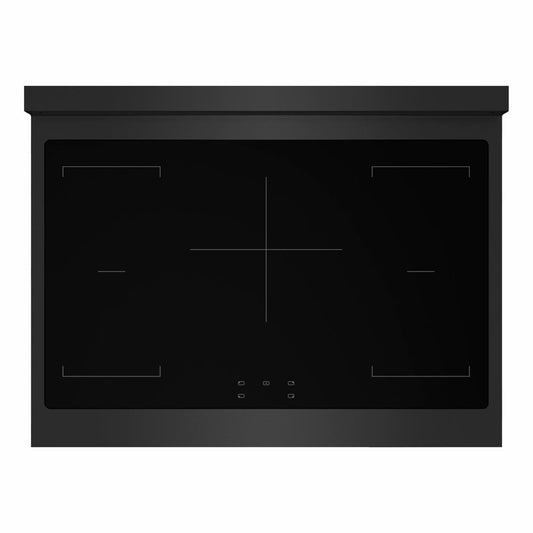
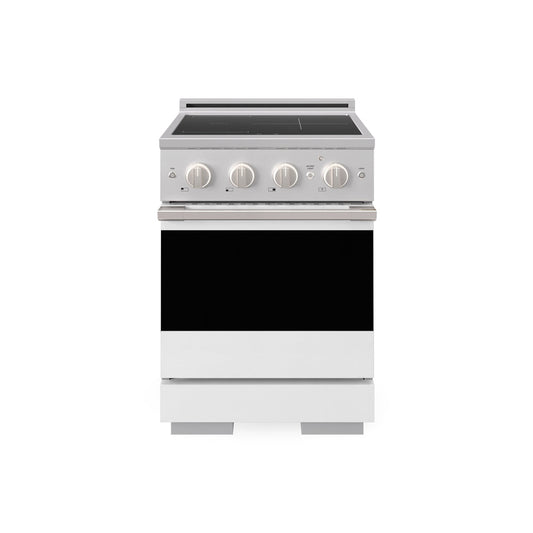
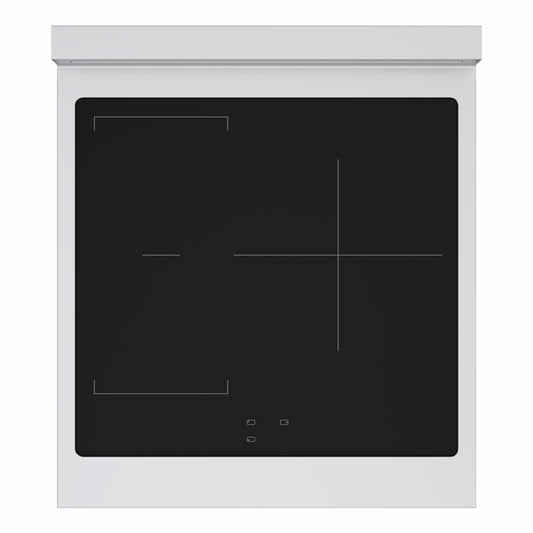
Induction cooktops often use touch controls or digital sliders instead of traditional knobs. While sleek and modern, these controls may take a little time to get used to, especially if you're coming from an older-style stove. Features like timers, power boost settings, and precision temperature control can be incredibly helpful once you’re familiar with them.
3. Electrical Requirements
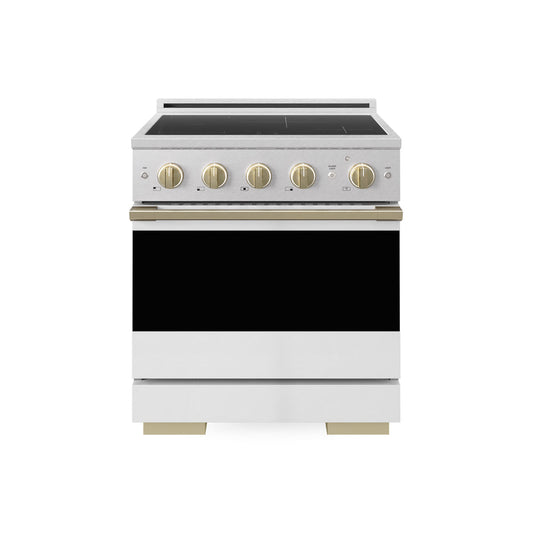
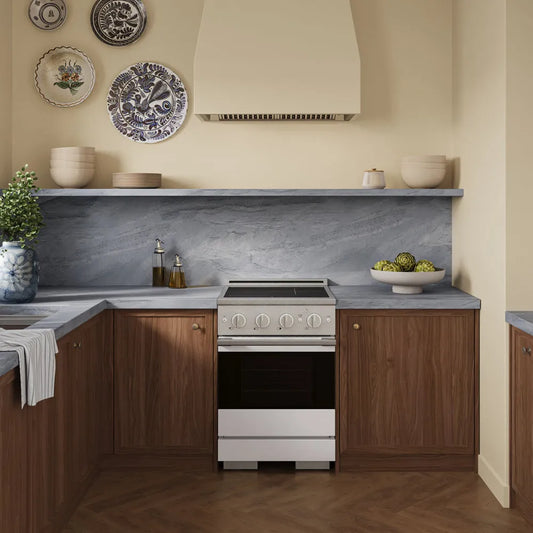
Most full-size induction cooktops require a 240V electrical outlet, just like a traditional electric range. If your kitchen is already wired for an electric cooktop, you likely won’t need any major changes. However, if you’re upgrading from gas or don’t have the proper outlet, you may need to hire an electrician for installation.
4. Upfront Cost
While prices have come down in recent years, induction cooktops generally cost more than standard electric models. The extra investment goes toward advanced technology and better performance, but it’s worth budgeting for both the appliance and any new cookware you might need.