lifestyle

10 Ways to Organize Your Refrigerator

The appliance you reach for most and consider least quietly shapes nearly every meal that leaves your kitchen.

A refrigerator runs without applause. It holds the week's groceries, keeps the milk honest, and waits patiently for the next time you stand in front of it wondering what to make. And yet most of us load it the way we load a car trunk: open the door, push things in, and hope for the best.

A little order changes that. A refrigerator arranged with intention wastes less, reveals what you actually have, and makes cooking feel lighter before you've turned on a single burner. None of it asks for special equipment. It asks for a system. Here are ten.
2_f04131a6-db8d-4952-ad57-f758fef0398e

01

Clear it out first

Before attempting to arrange, remove all items. You can't organize around expired condiments and leftovers, and you can't see what you own until the shelves are bare. Pull everything onto the counter, toss what's past its prime, and wipe down the shelves while they're clear. A warm cloth and a little white vinegar lift the rings that build up under jars. 

Then take stock before anything goes back into the refrigerator; note what's nearly gone and what you forgot you had. The best time to do this is the morning before you go to the grocery store, when the fridge is at its emptiest, and the reset takes less of your time. Start fresh every time, and the rest of these tips have somewhere to land.

02

Know where the cold actually lives

A refrigerator is not uniformly cold, and treating it this way shortens the lifespan of everything inside. The back of the fridge runs coldest, and that's where milk, eggs, and raw proteins belong, tucked against the wall where the temperature holds steadiest and is least disrupted by the door opening. 
The door is the warmest spot, opening many times a day and rising several degrees above the rest of the refrigerator. Stick to condiments or drinks only. These items are acidic or salty enough to handle the constant temperature changes. 
Storing milk in the door is the most common version of this mistake. Moved to the back, the same carton can stay good for days longer. As a baseline, keep the whole unit at or below 40°F, with a small thermometer on a shelf if yours doesn't display the temperature.
3_0ae26933-5482-41bd-a34b-115430e25aa3

03

Give every shelf a role

Assign each shelf a job because the decisions you make once stop being daily decisions. The top shelf, where the temperature is most consistent, is for ready-to-eat foods and leftovers. The middle is for dairy, cheeses, yogurt, and butter within reach but out of the warm door.

The bottom, the coldest tier, is for raw meat, always in a rimmed container or sheet tray so a leaking package never drips down onto produce or anything eaten as-is. Raw meat stored on the lowest shelf and properly contained is as much a food-safety habit as an organizing one.
A ZLINE island range hood in stainless steel suspended above a kitchen island with a gas cooktop, in a bright kitchen featuring white cabinetry with gold hardware, marble backsplash, and warm wood accents.
A ZLINE professional-style range and custom wood-trimmed range hood in a bright farmhouse kitchen with shiplap walls, light oak cabinetry, and stone countertops.
A ZLINE range and stainless steel range hood in a refined kitchen with sage green cabinetry, marble backsplash, and warm wood flooring, with a garden view through floor-to-ceiling glass doors.
A ZLINE island range hood in stainless steel suspended above a kitchen island with a gas cooktop, in a bright kitchen featuring white cabinetry with gold hardware, marble backsplash, and warm wood accents.
A ZLINE professional-style range and custom wood-trimmed range hood in a bright farmhouse kitchen with shiplap walls, light oak cabinetry, and stone countertops.
A ZLINE range and stainless steel range hood in a refined kitchen with sage green cabinetry, marble backsplash, and warm wood flooring, with a garden view through floor-to-ceiling glass doors.

04

Use your drawers correctly 

The crisper drawers are the most misunderstood part of the fridge, and the fix is free. Set one to high humidity for leafy greens and vegetables, which wilt in dry air; the closed vent traps moisture and keeps lettuce, herbs, and broccoli crisp instead of limp. 

Set the other to low humidity for fruit, which spoils when moisture is trapped around it. The open vent lets the ethylene gas, the ripening agent the fruit gives off, escape before the fruit in the drawer turns soft.

Most people have these reversed, and it's the reason produce dies early. One last tip: Don't wash berries or grapes until you're about to eat them, since standing moisture is what invites mold.

A Note on the Refrigerator Itself

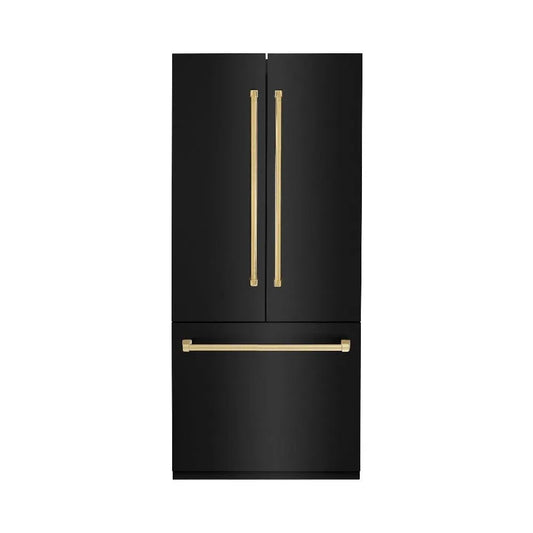
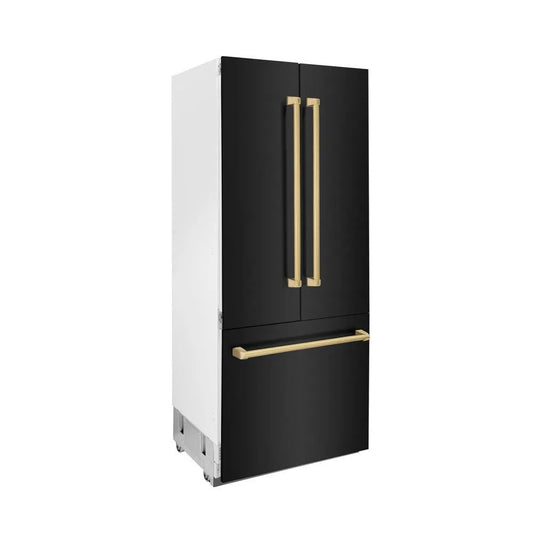
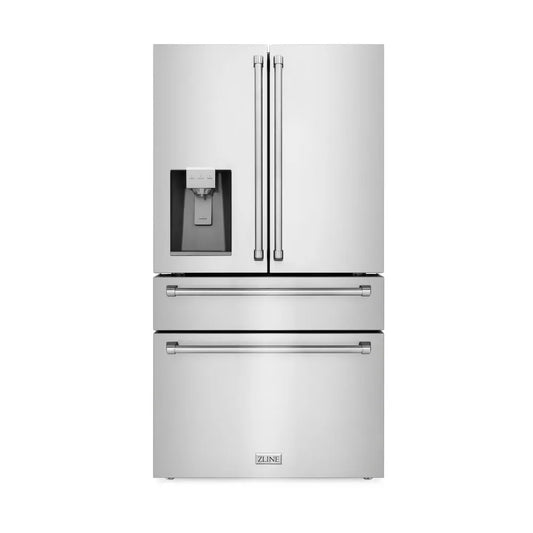
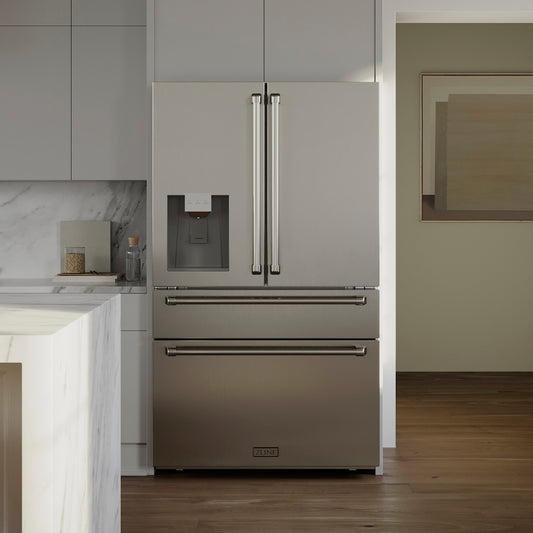
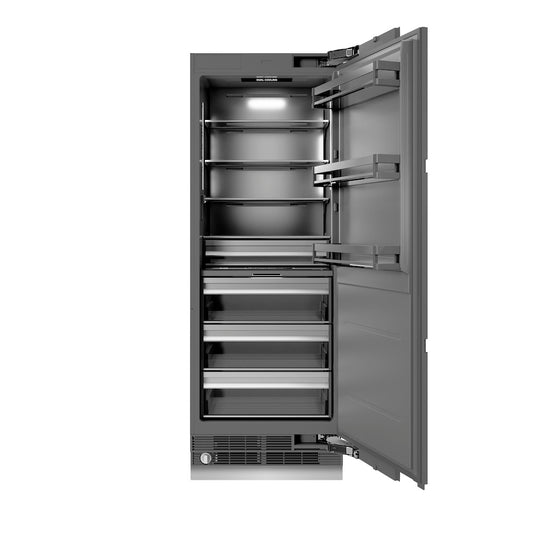
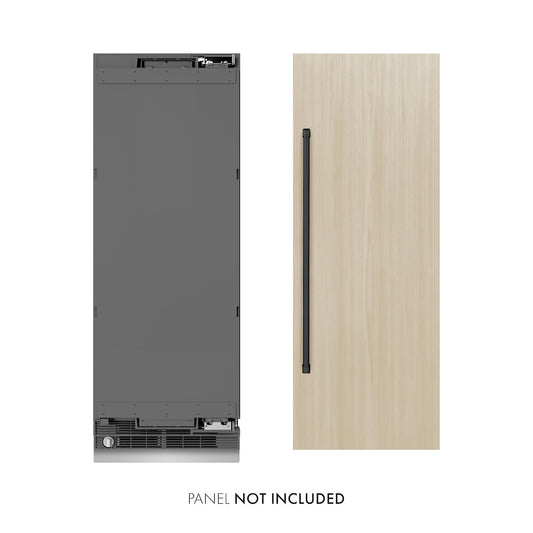
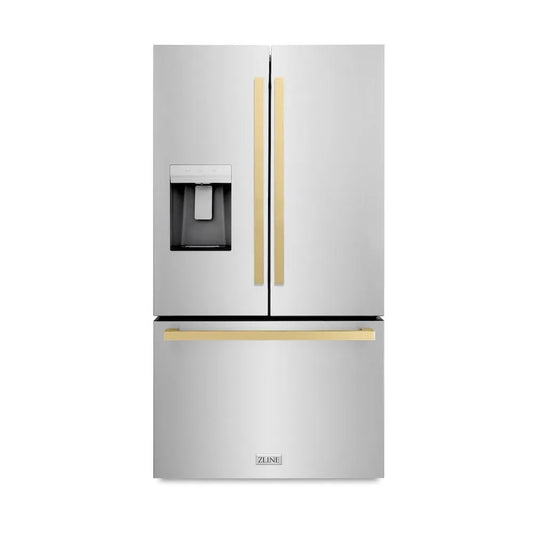
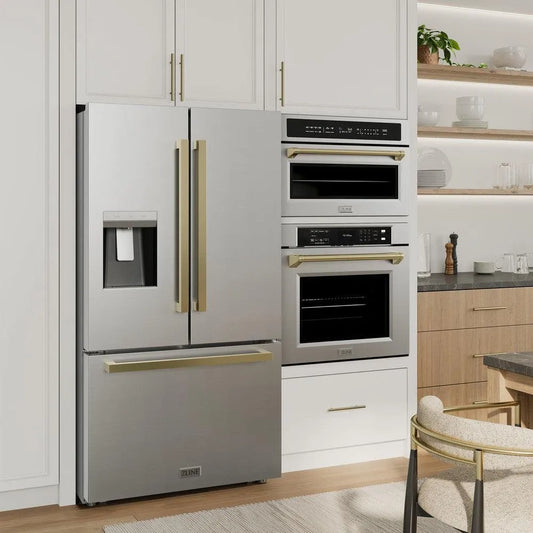
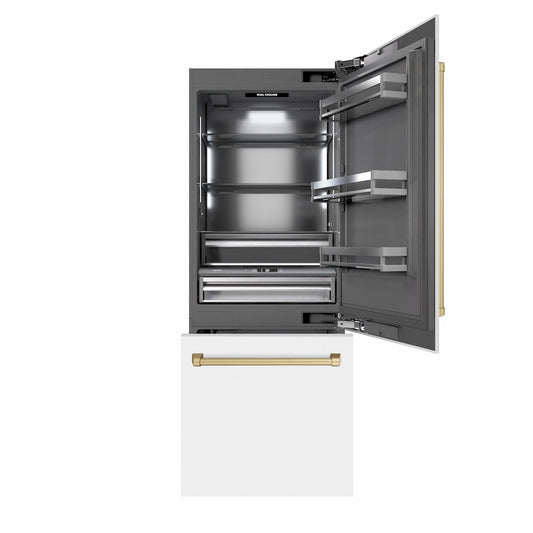
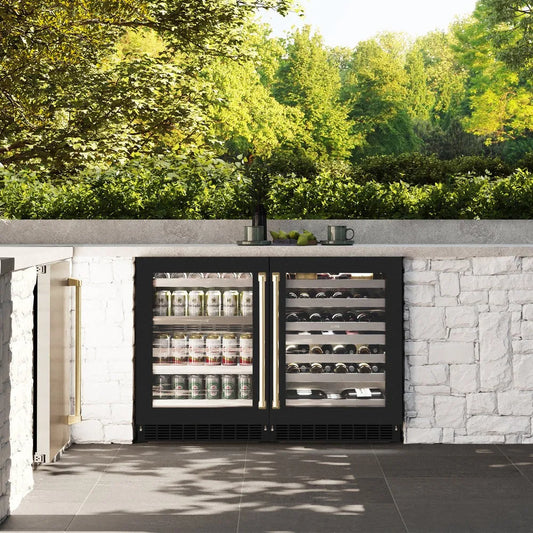
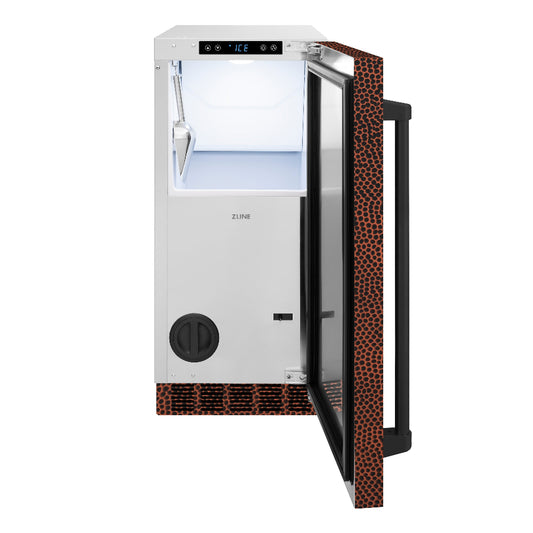
The right refrigerator does some of this work for you. ZLINE builds its refrigeration around the way people actually store food, across built-in and freestanding models, beverage and wine refrigerators, and ice makers that round out the rest of the kitchen. 

Fully adjustable shelving bends to the week's groceries instead of the other way around, dedicated humidity-controlled drawers hold produce, and dependable temperature control means the cold zones you're organizing are real and consistent. It is the quieter side of luxury: refrigeration that disappears into the rhythm of the kitchen.

05

Bin what you can

If you make the same meals consistently, move what you can into clear bins, grouped by category: snacks, breakfast, lunch components, baking supplies, drinks. Clear bins grouped by category make it obvious what you have and what you're out of.

The bins double as time savers; pull the "breakfast" caddy out at once instead of reaching in multiple directions. The trick is to group by how you actually cook and eat, not by food type in the abstract; a "taco night" bin or a "kid-friendly" bin earns its space faster than a tidy category that never gets touched. 

06

Label with dates

Label anything that is not in a prepackaged container, especially leftovers. A container with no date becomes a small mystery you'll quietly decline to solve. If it doesn't have a date on it, it will be forgotten and discarded a week later, so write the date you made it. Most cooked leftovers keep for three to four days. 

A roll of painter's tape and a marker living in a drawer near the refrigerator is all it takes; the small action of labeling is far cheaper than the food and money that go in the bin without it.
7

07

Tall in the back, short in the front

Arrange your groceries by height. It's a simple rule that makes everything visible at a glance and spares you from moving three things to reach a fourth. Tall bottles, jars, and cartons go to the back where they don't block the view; short tubs, eggs, and small containers can live closer to the front where you can actually see and reach them.

The reason this matters isn't just tidiness; anything you can't see, you eventually replace and waste. A clear sightline to the back wall is the whole goal.

08

Condiment discipline

Condiments can multiply easily; take the time to reorganize and condense. Group them by type—dressings together, jams together, fermented and pickled together—so the duplicates reveal themselves before you buy another. The act of grouping is also a quiet audit, as things separate naturally into what you reach for and what has been sitting for far too long.

09

Keep "eat first" items at eye level, front row

Give the things that need to be used first a dedicated spot, front and center, at eye level. This would be the leftovers, the half-used vegetables, and the yogurt that is close to its expiration date. The leftover container pushed to the back isn't saved; it's lost, and rediscovered only when it's no longer worth keeping. If you need a visual cue, mark the spot with a small tray, but the spot matters more than the label: Make it the first thing you see when the door opens.
8

10

Know what doesn't belong in there at all

Finally, take a moment to think about what belongs in your refrigerator. Tomatoes, avocados, potatoes, onions, and bananas all do better at room temperature, where the cold won't flatten a tomato's flavor or turn a potato's starch gritty and sweet. Onions and potatoes actually keep longer in a cool, dark, airy spot rather than the crisper, and bananas ripen on their own schedule on the counter. Keeping these out frees room for what actually needs cold storage, and it tends to look better too; a bowl of fruit on the counter is a nicer thing to walk past than a crowded shelf. The one caveat: Once any fruit or vegetables are cut, they need to be stored in the fridge.
None of this is complicated, and none of it is permanent. A fridge can drift back toward disorder, but the reset is simply part of the rhythm, not a project. Find what works best for your household, and you will see a great return: less waste, fewer forgotten purchases, and a cook who opens the door already knowing what's for dinner.

Save this before your next grocery run and explore ZLINE Refrigeration, featuring built-in, column, freestanding, and wine and beverage options purposefully designed for the everyday chef.

shop all Refrigeration