Lifestyle

A Guide to Column Refrigeration

Walk into a kitchen that has been professionally designed in the last few years and try to find the refrigerator.

It takes a second. Refrigeration has become an aspect of the design rather than an object sitting inside it; tucked behind cabinetry, or flush with it, reading as architecture instead of an appliance. Somewhere along the way, the biggest thing in the kitchen stopped announcing itself.

Column refrigeration is what made that possible, and it has raised as many questions as it's answered. Below, we break it down: what columns actually are, how they perform, and how to configure a suite that fits the kitchen you're designing.
A_Guide_to_Column_Refrigeration_Blog-ZLINE-Lifestyle-3

What Is Column Refrigeration?

At its core, column refrigeration is simple: instead of one appliance holding everything, each column is dedicated to a single job: refrigeration, freezing, or wine storage.

Each unit runs its own cooling system, tuned for one purpose, so a freezer column never has to share air, humidity, or compressor cycles. This is a major upgrade for food preservation and organization. 

A conventional freestanding refrigerator arrives with its ratio already decided, regardless of whether you cook every night or stock up twice a year. Columns hand that decision back to you. You set the balance, choose the widths, and decide where each unit is installed. 

Start With What Your Kitchen Needs Most

Before looking at sizes or finishes, answer one question: what do you run out of first?

If you cook daily, it's refrigerator space. Fresh produce, dairy, meal-prepped proteins, and the sauces and half-used ingredients that accumulate in a working kitchen. A dedicated refrigerator column—or two side by side—gives you room to see what you have rather than dig for it.

If you stock up, consider a larger freezer. Bulk buyers, gardeners putting up a harvest, families who batch-cook on Sundays. A full freezer column holds what a conventional freezer drawer can't, at temperatures that preserve texture rather than just prevent spoilage.

If your kitchen is built around entertaining, consider a wine column. Not a countertop cooler holding a dozen bottles, but real storage that keeps reds, whites, and sparkling at their own correct temperatures.
A_Guide_to_Column_Refrigeration_Blog-ZLINE-Lifestyle-4

Choosing Your Sizes

Once you know your mix, it's a matter of building the configuration.

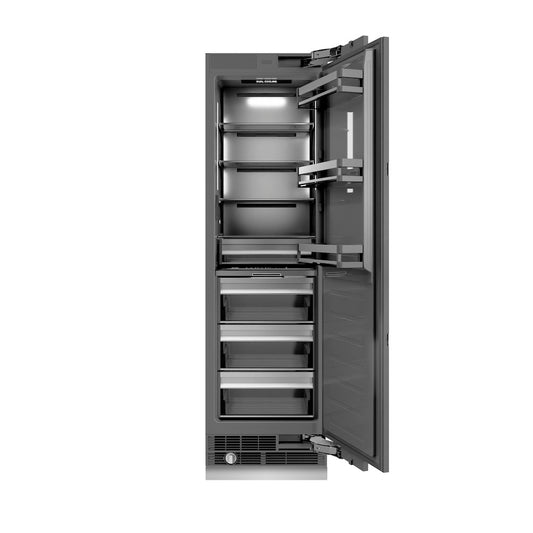
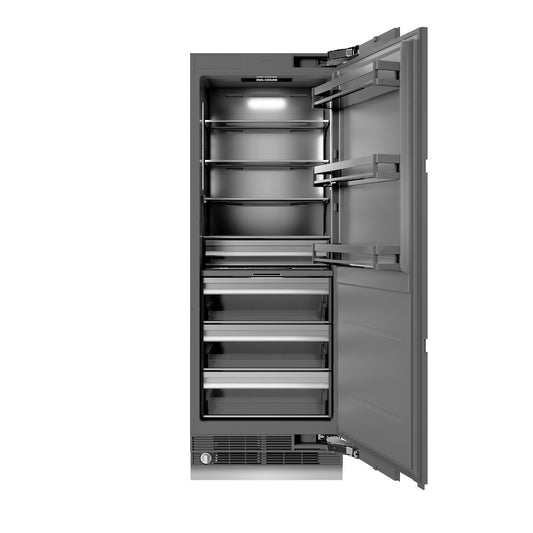
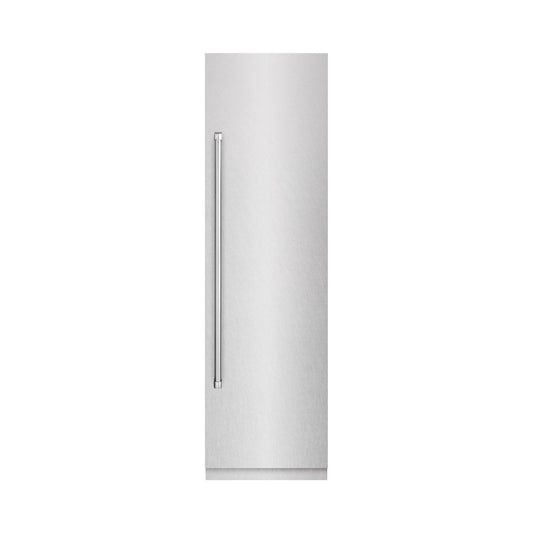
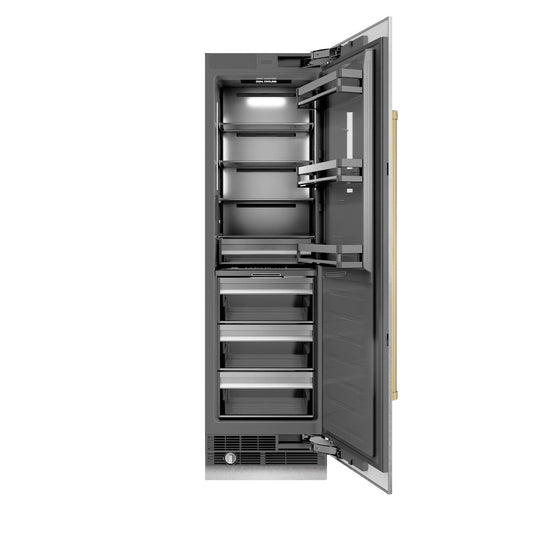
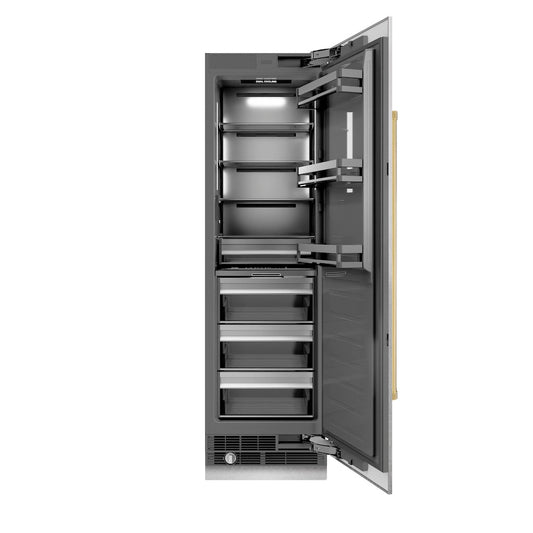
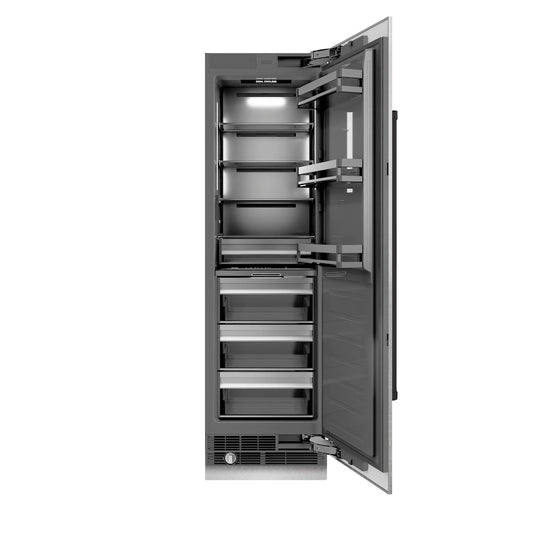
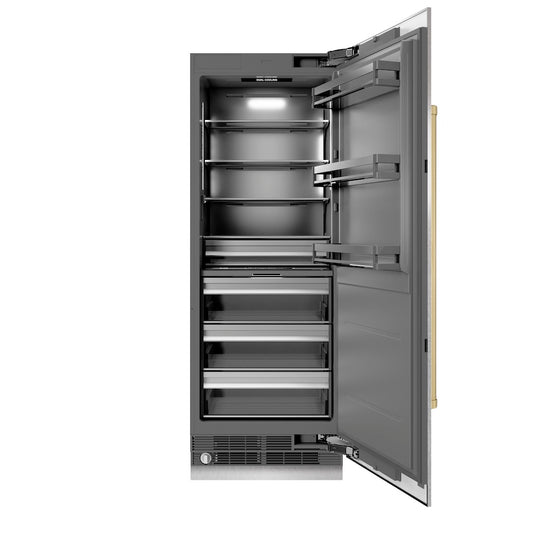
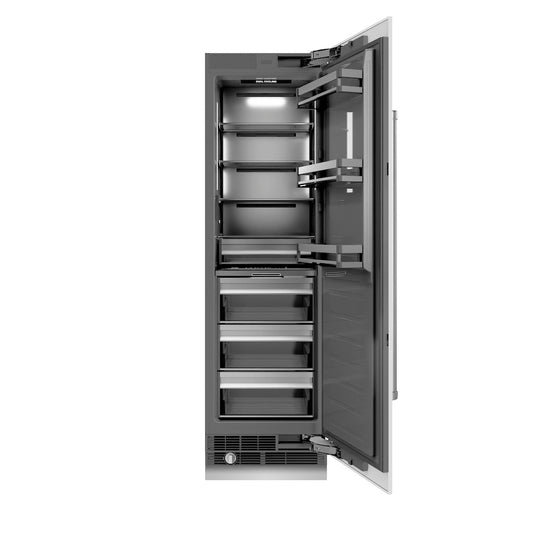
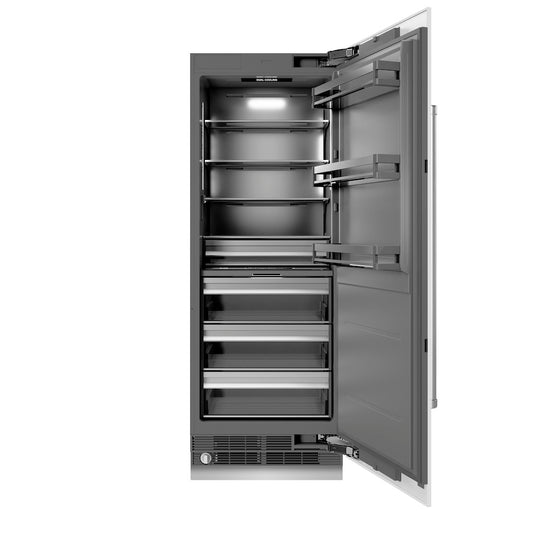
ZLINE offers refrigerator columns in 24- and 30-inch widths, at 12.5 and 16.7 cubic feet. Freezer columns come in 18 and 24 inches, at 8.6 and 12.4 cubic feet. Wine columns are offered in 18 and 24 inches.

The practical value is in the math. A 24-inch refrigerator paired with an 18-inch freezer fills a 42-inch run. Step up to a 30-inch refrigerator with a 24-inch freezer, and you're at 54. Add an 18-inch wine column to either, and you have a full suite. Because the widths combine, the layout adjusts to the space you have instead of the other way around.
4_670f1a14-cc6b-4368-b438-a903dd4206be
5_08246026-edfd-49e1-88b2-abe67173d14b
A_Guide_to_Column_Refrigeration_Blog-ZLINE-Lifestyle
4_670f1a14-cc6b-4368-b438-a903dd4206be
5_08246026-edfd-49e1-88b2-abe67173d14b
A_Guide_to_Column_Refrigeration_Blog-ZLINE-Lifestyle

Configurations to Consider

The pair: A refrigerator and freezer column side by side, reading as one built-in. This is the most familiar arrangement and the starting point for most kitchens. It is the most intuitive arrangement, with more capacity in each half than a conventional unit provides.

The full suite: Refrigerator in the center, freezer on one side, wine on the other. One wall becomes a complete cold-storage run. Best suited to kitchens with the linear footage to give, and especially effective when the columns are panel ready and disappear into the surrounding cabinetry.

Two of the same: Two refrigerator columns, or two freezer columns, installed side by side. This is a common arrangement for households whose habits lean hard in one direction. Daily cooking and fresh shopping require more refrigeration space than any single unit provides, while buying in bulk and cooking months ahead may require the reverse. Whichever you double, the other function can be handled by a smaller column placed elsewhere in the layout.

The split plan: Refrigerator in the kitchen, freezer in the pantry or scullery, wine column in the dining room or off the bar. Because each column operates independently, there's no requirement that they sit together at all. Moving bulk storage out of the kitchen can free the square footage that finally makes an island or a wider walkway work.
A_Guide_to_Column_Refrigeration_Blog-ZLINE-Lifestyle-1

Choosing the Exterior

Columns are built to integrate with custom cabinetry, which makes the exterior a choice rather than a given.

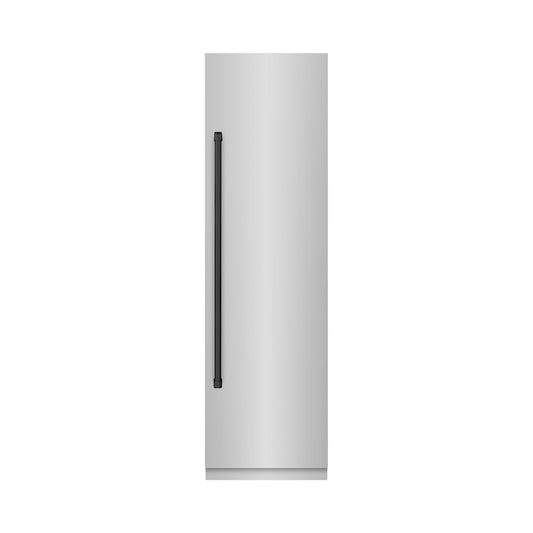
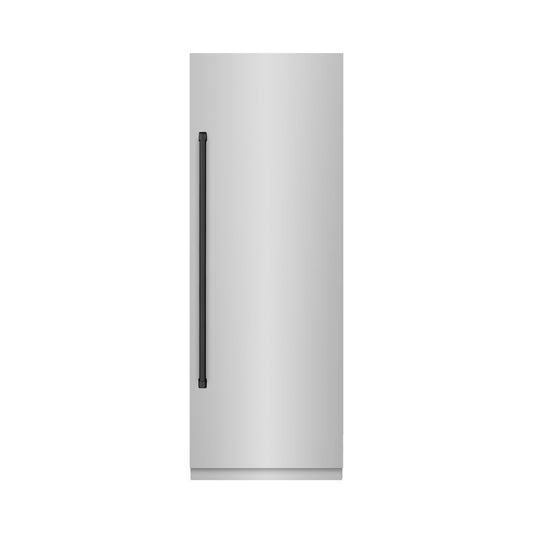
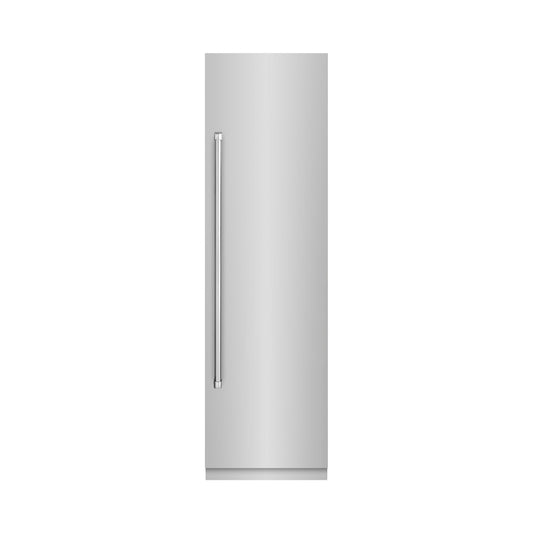
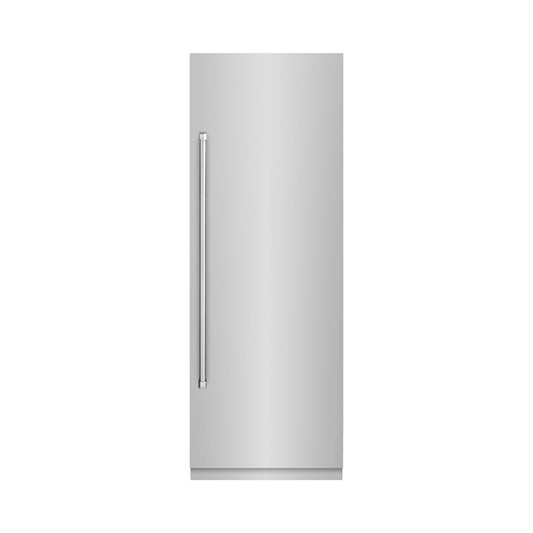
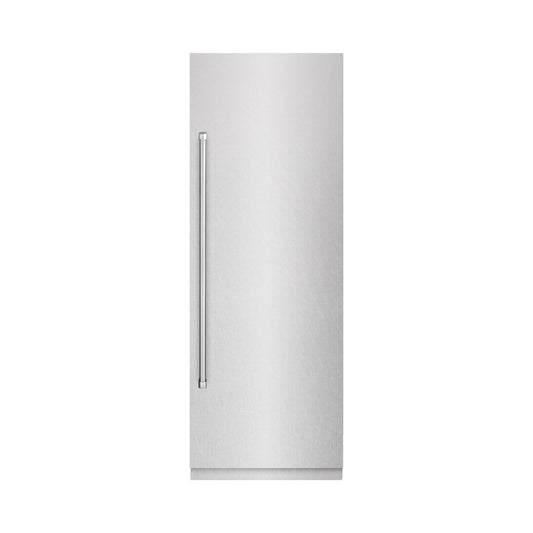
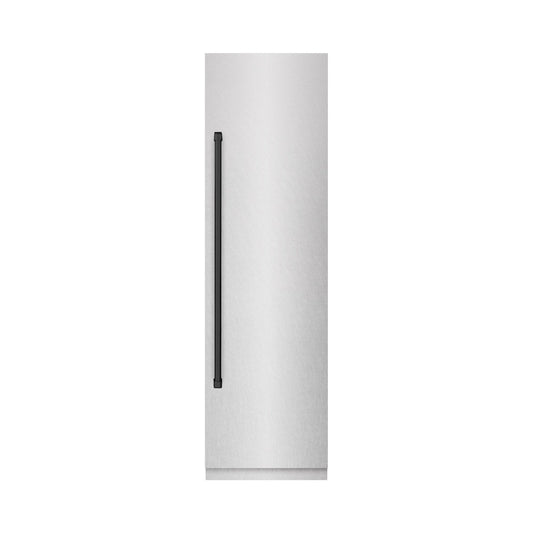
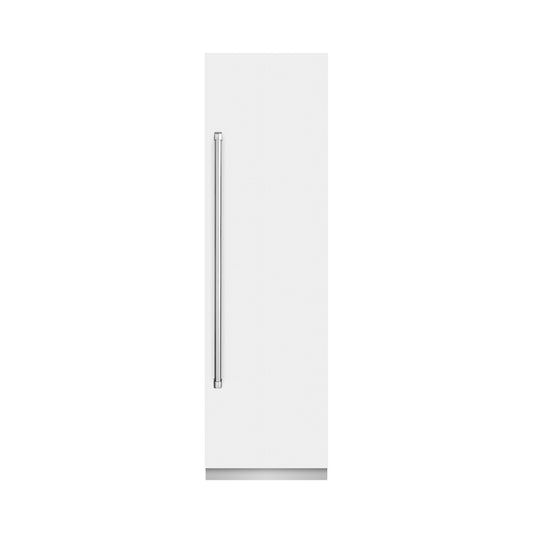
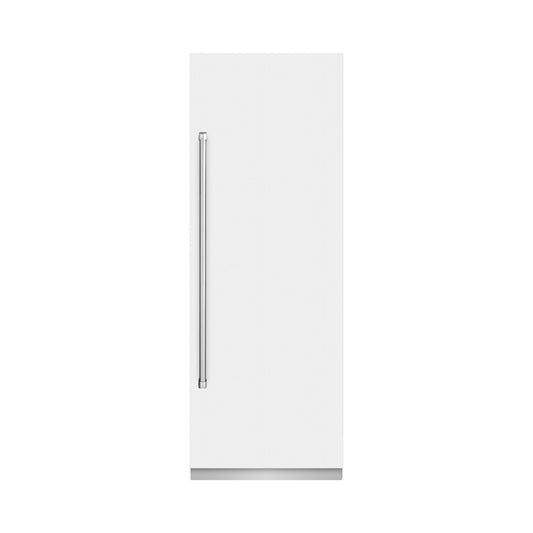
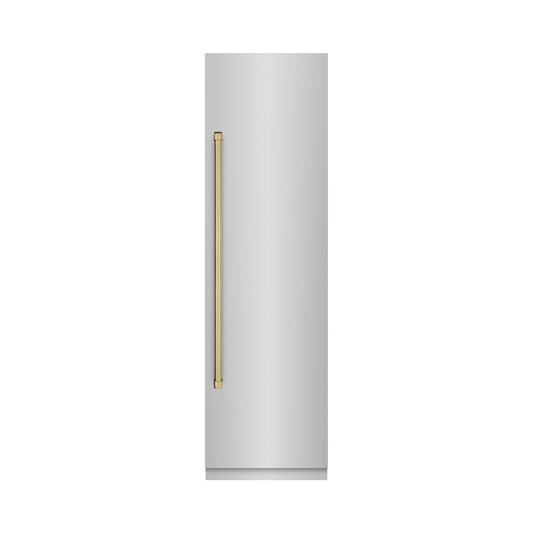
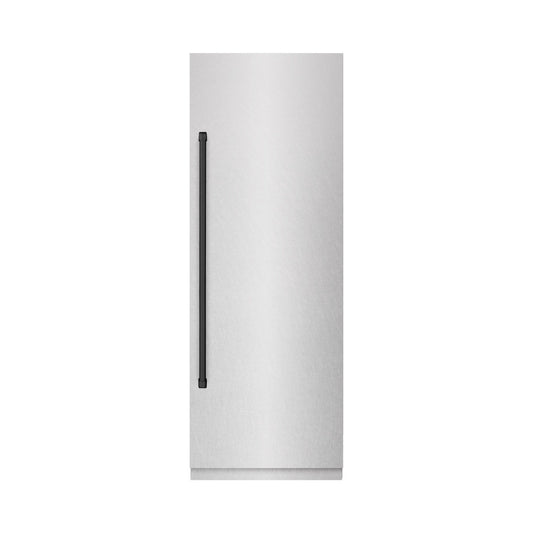
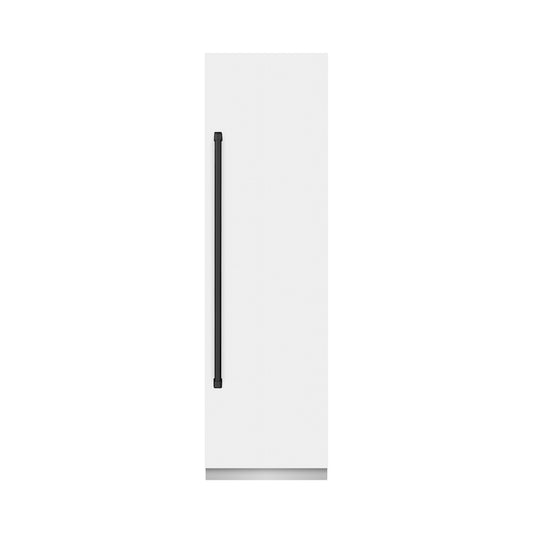
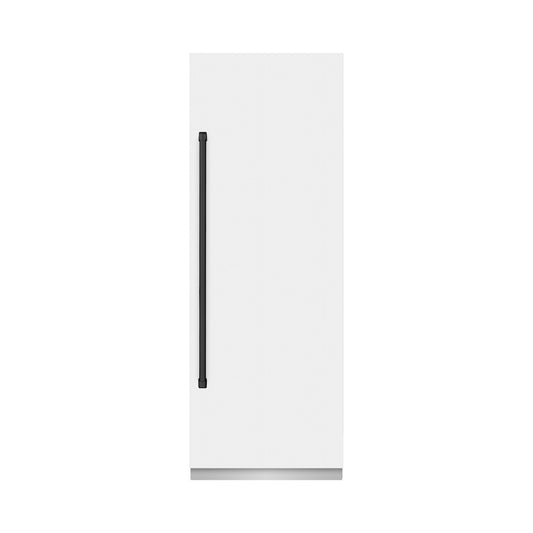
Take them fully finished—stainless steel, black stainless, satin stainless, or white matte—and you get an appliance with material presence that pairs naturally with a professional range and hood.

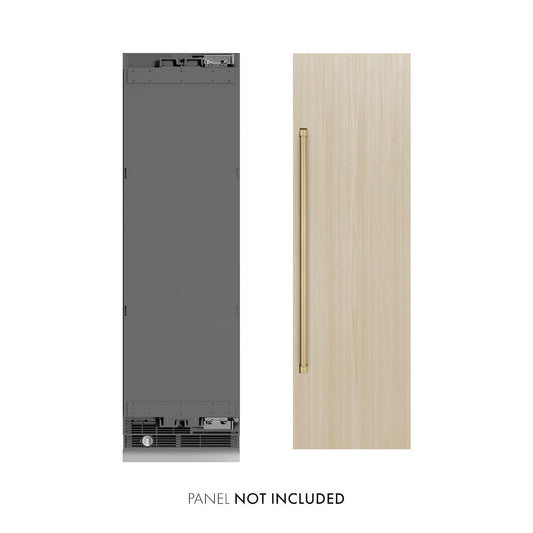
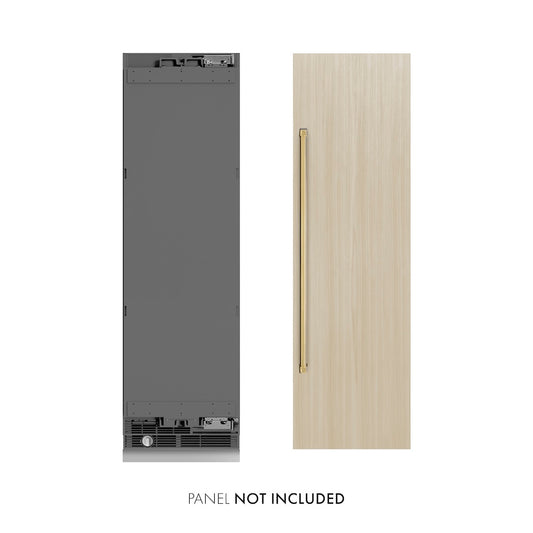
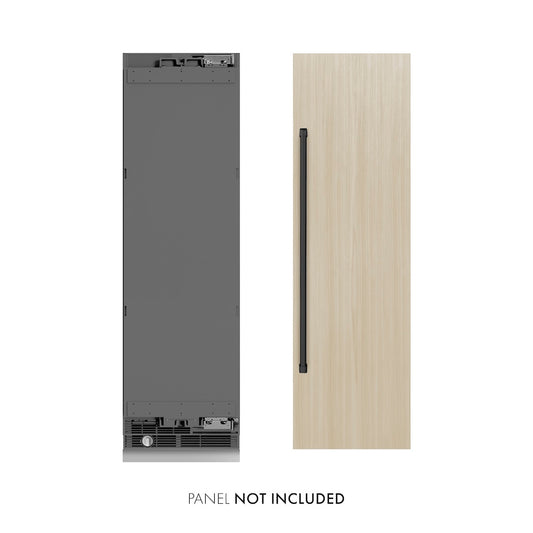
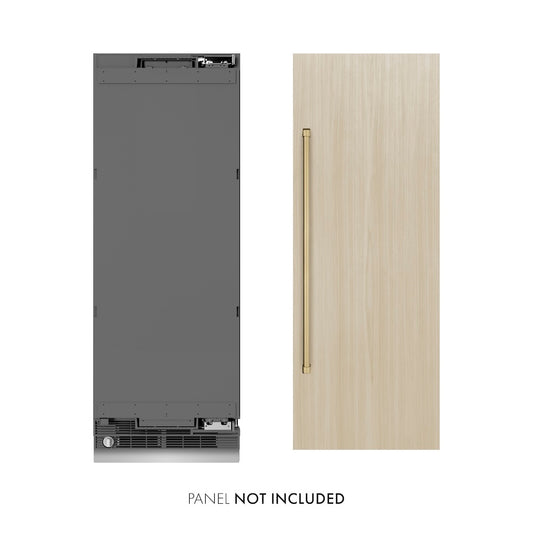
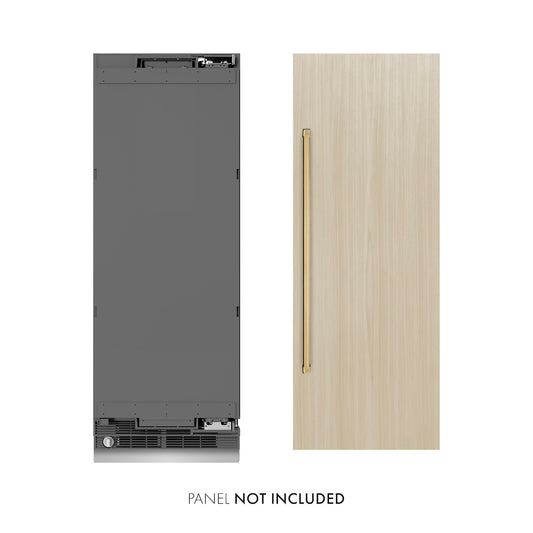
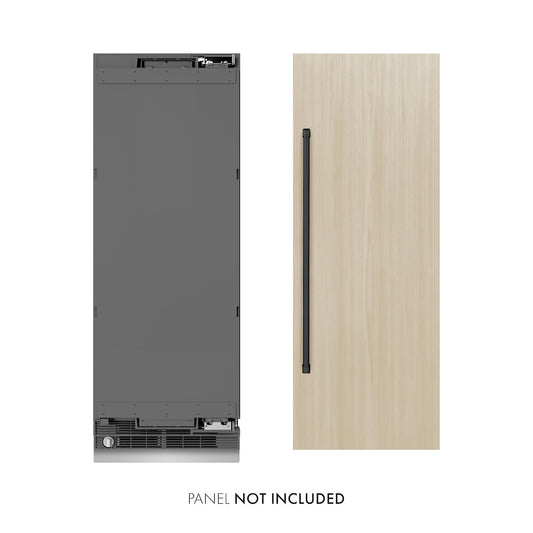
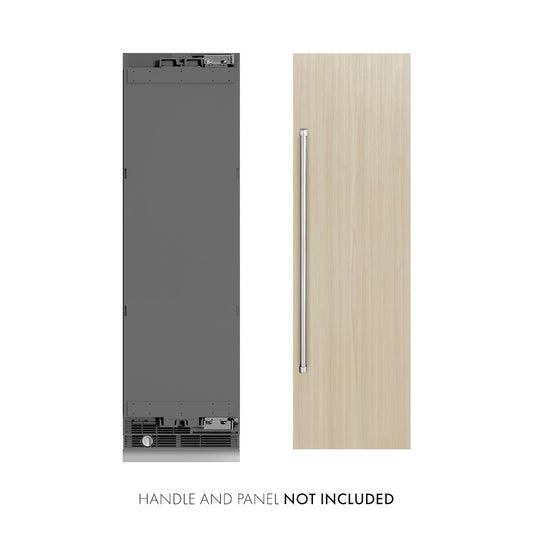
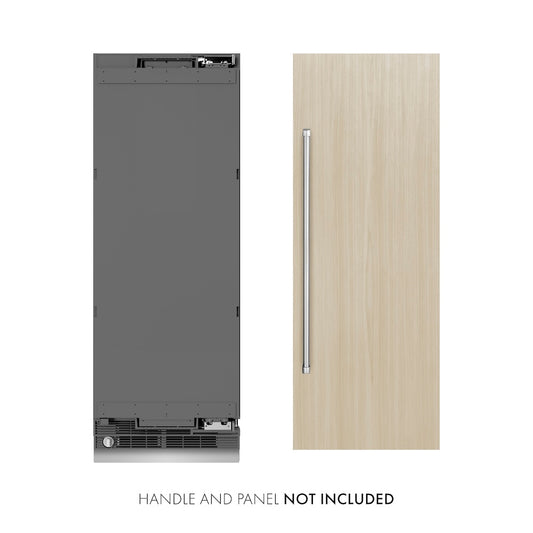
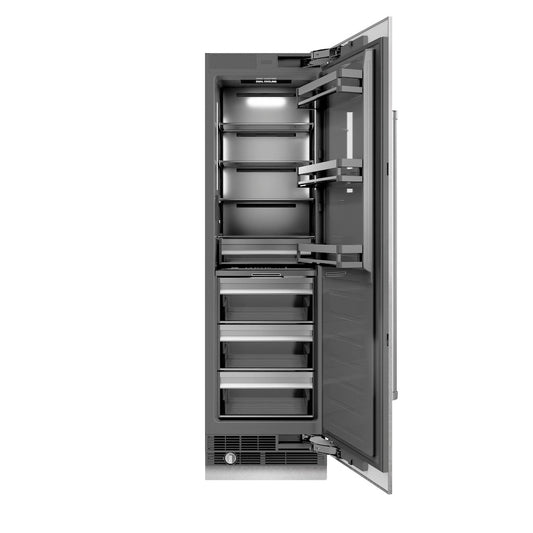
Or go panel ready, and the columns accept your own cabinetry doors: same wood, same finish, same reveal, same hardware as the run they sit in. Now the unit is concealed and will complement your design rather than taking your eyes away from the details.

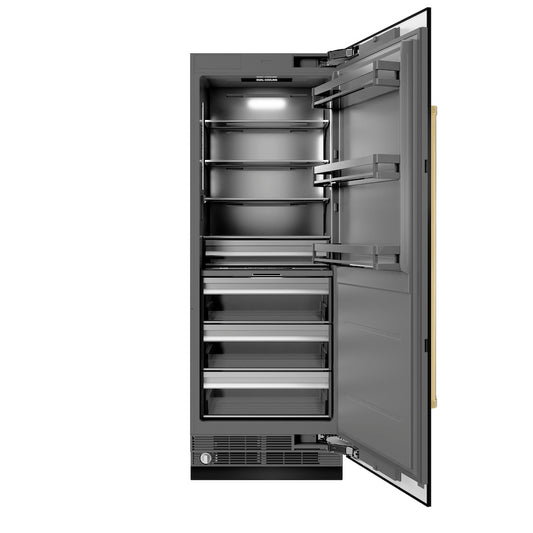
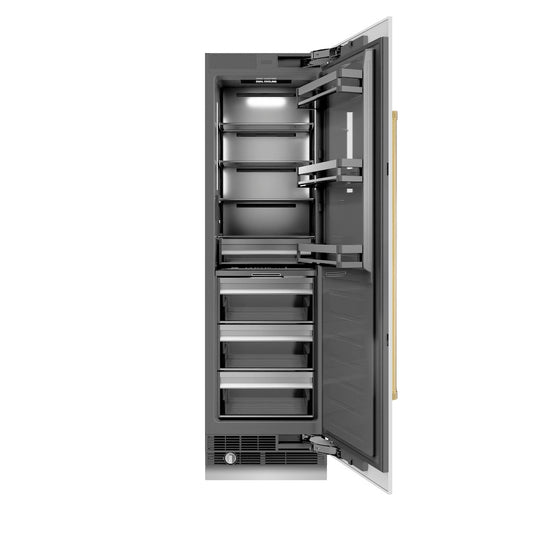
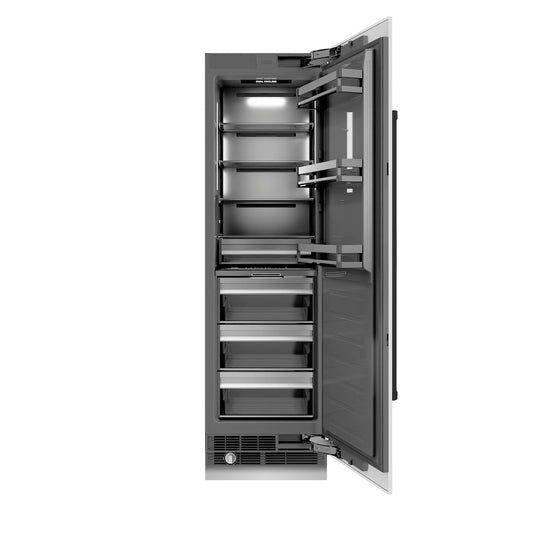
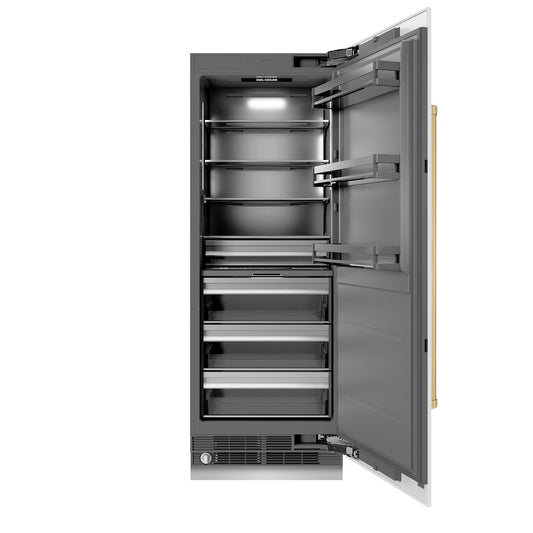
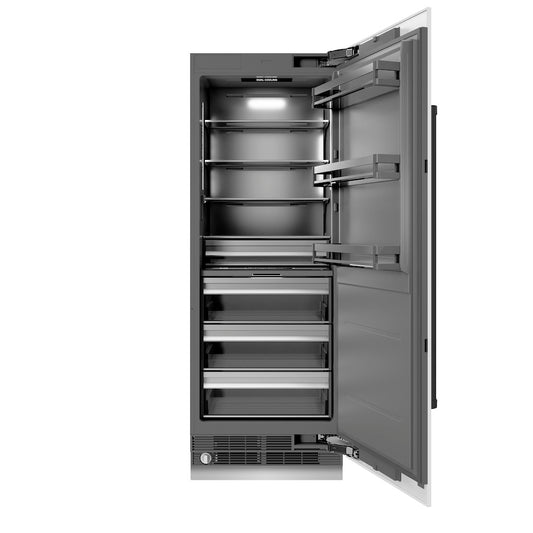
For kitchens that want integration without uniformity, Autograph Edition hardware adds handles in champagne bronze, polished gold, or matte black. This way, the hardware can match across your other appliances and cabinet pulls. 

What's Inside

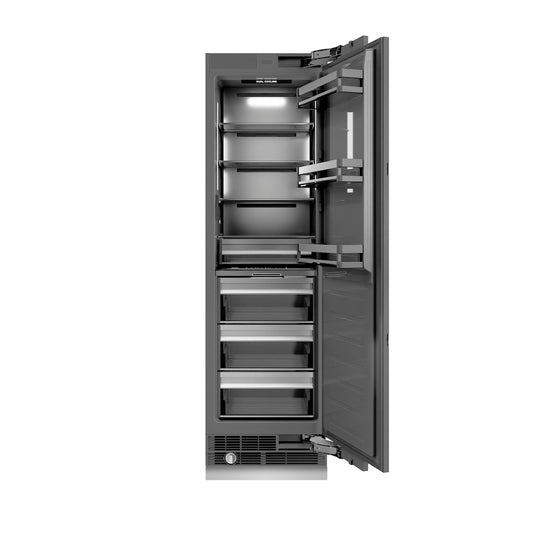
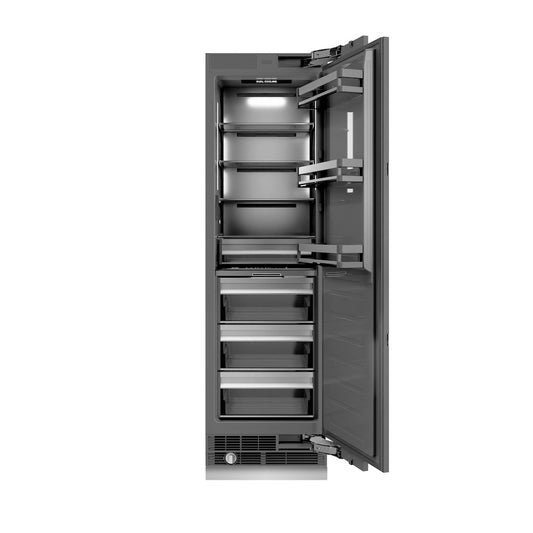
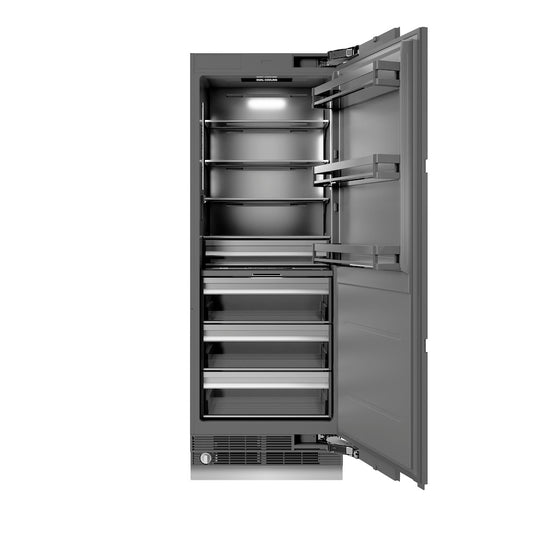
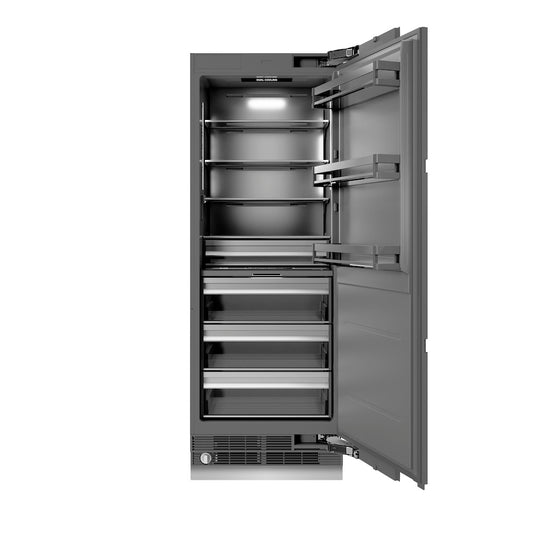
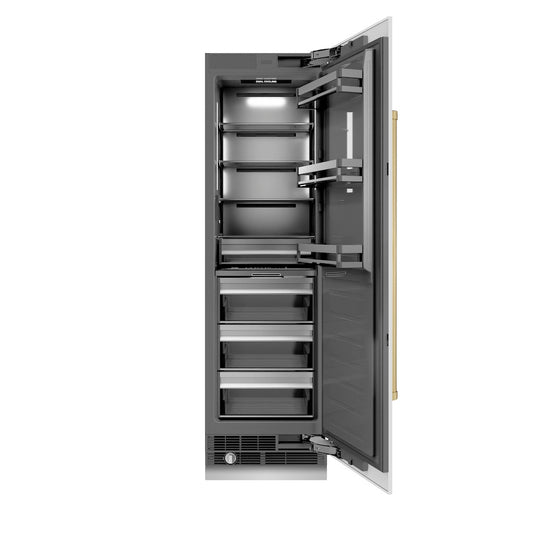
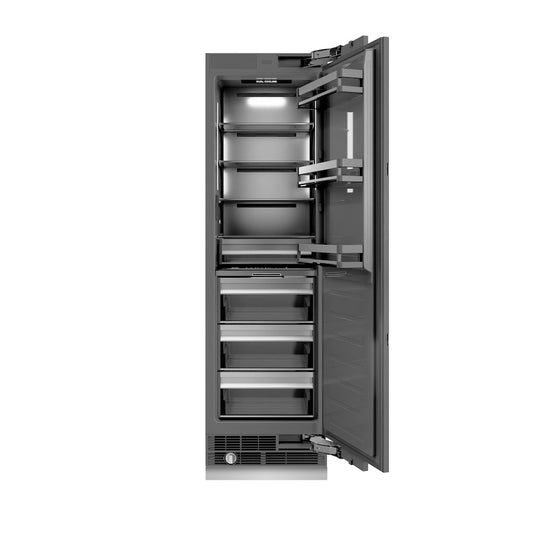
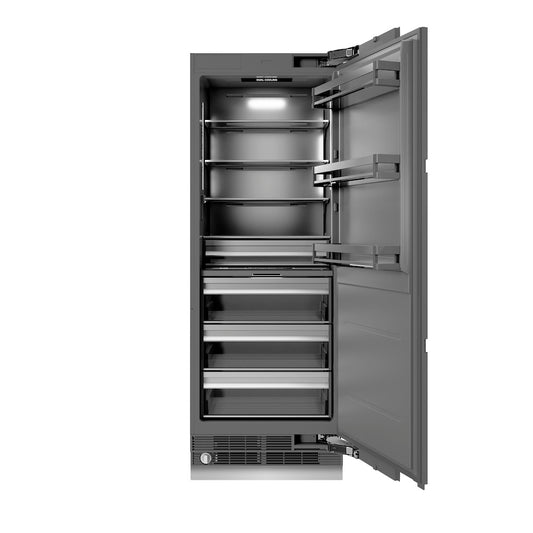
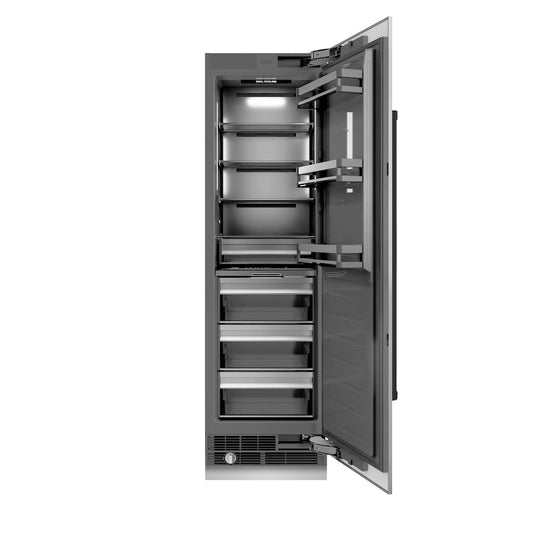
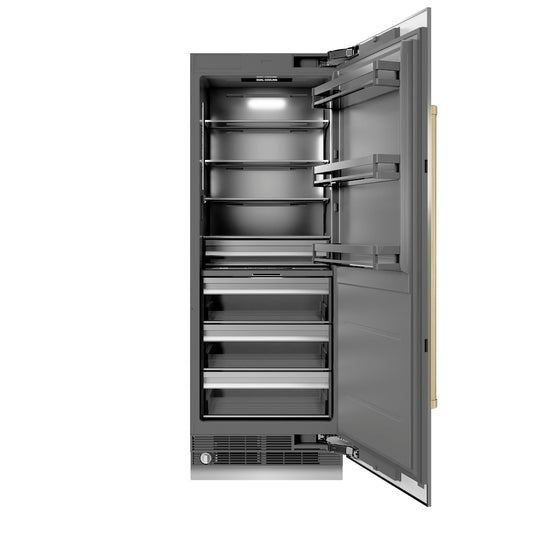
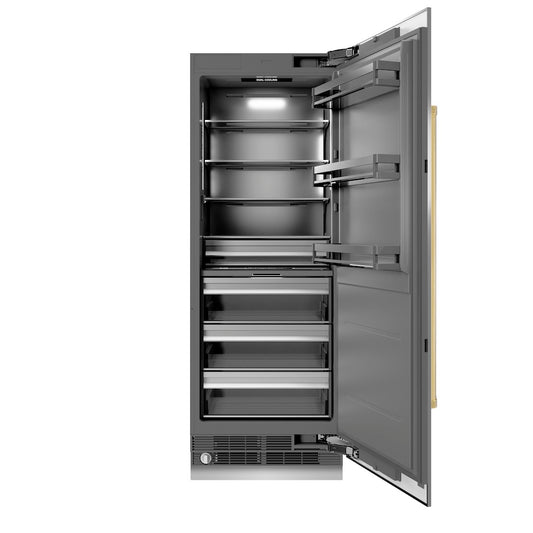
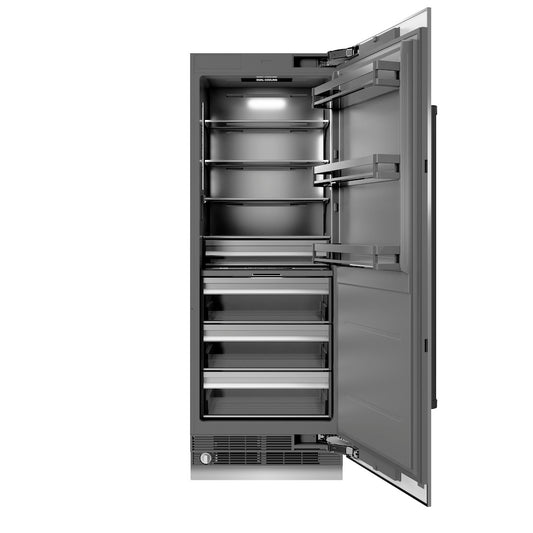
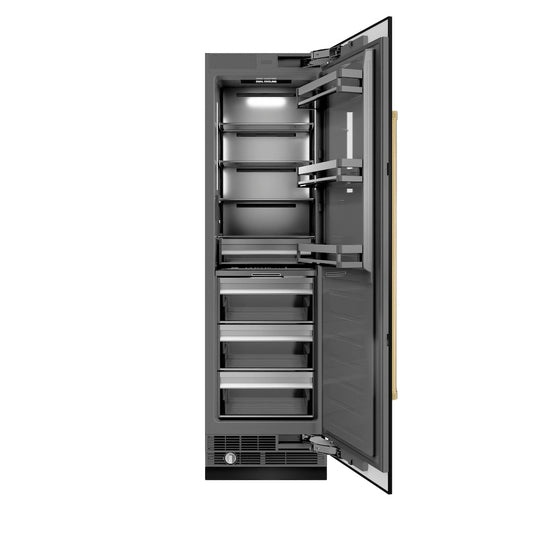
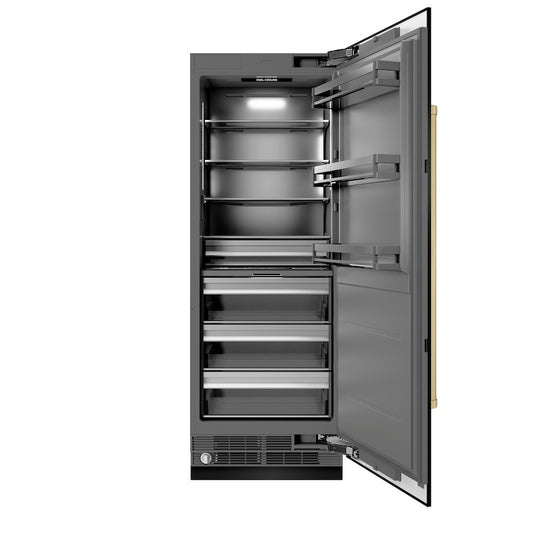
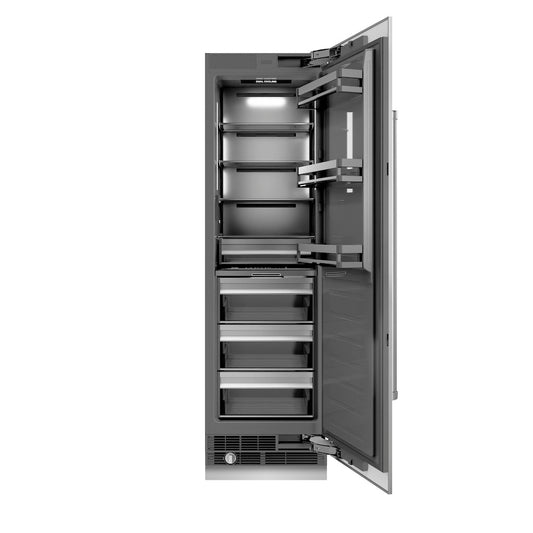
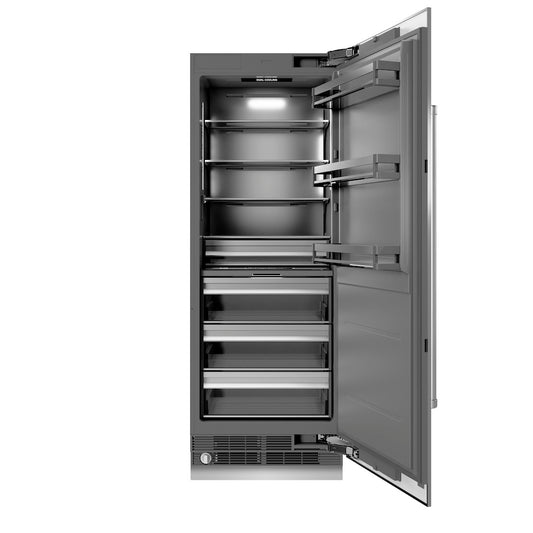
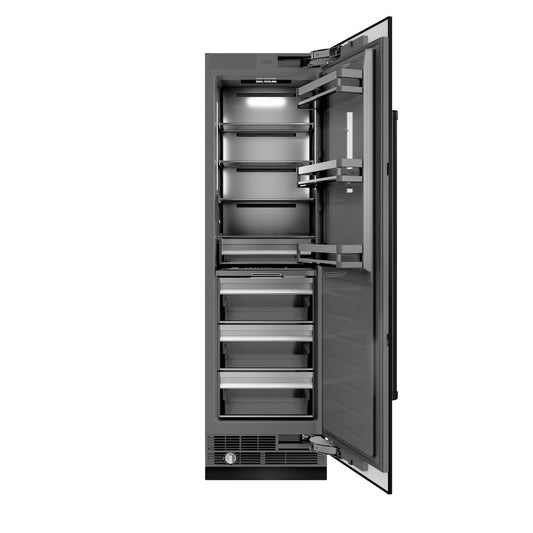
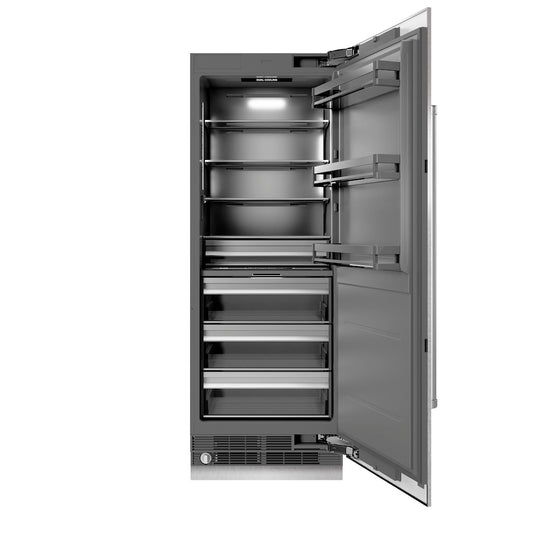
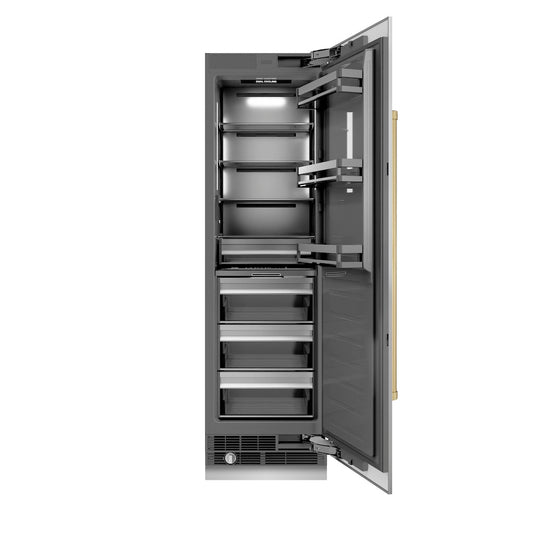
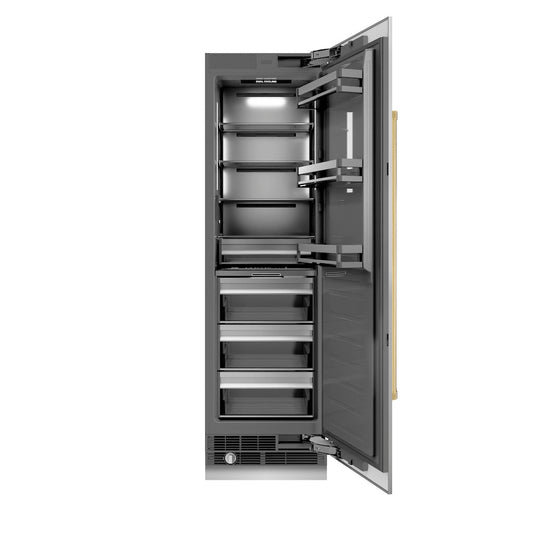
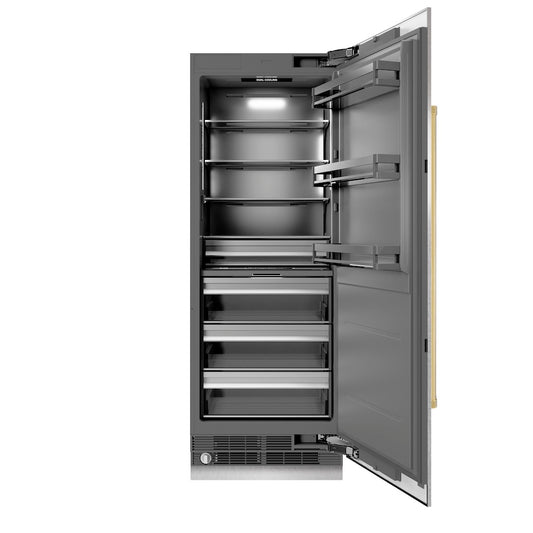
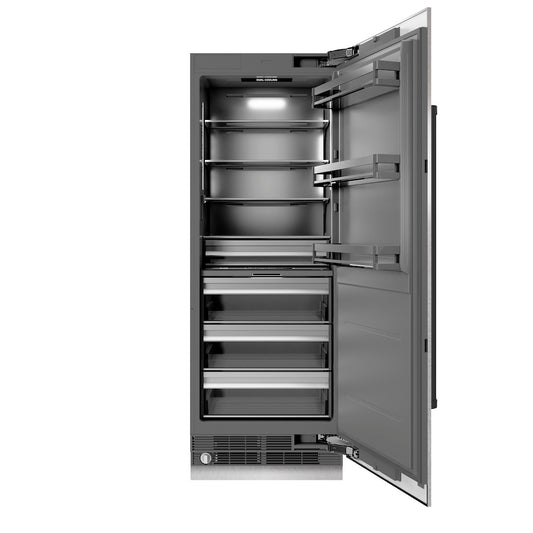
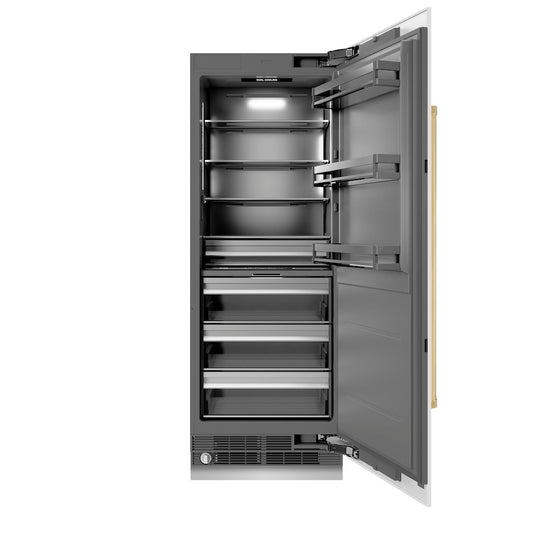
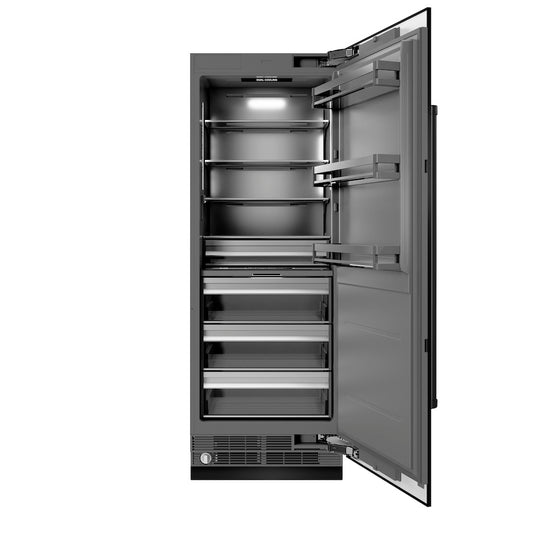
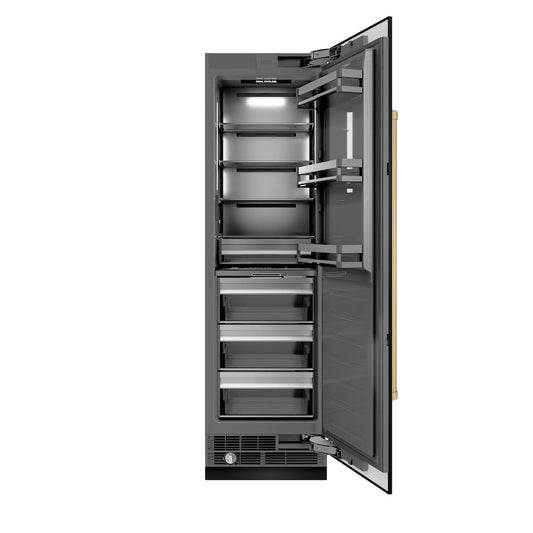
ZLINE’s column refrigerator runs two independent cooling zones. The upper zone holds 36°F to 47°F, with a Super Cool mode that drops it to 36°F when you've just brought groceries in, and pairs a full-width pantry drawer with spill-resistant tempered glass shelving.

The lower zone holds three flex drawers that adjust between 30°F and 41°F. Utilize each drawer for specific categories. For example, a meat and fish drawer, set at the coldest temperature where proteins can hold longest; in the middle, a crisper; at the warm end, a chilling drawer for whites and rosés you want service-ready.

The column freezer runs from 7°F down to -11°F, with a Super Freeze mode that drops to -12°F for bringing a large load down quickly. Complimented by an ice maker that can produce four pounds per day. 

All models feature graphite gray interiors, four-point LED lighting, and soft-shut doors. ZLINE columns are ENERGY STAR certified and backed by a two-year parts and service warranty, with five-year coverage on the sealed system.
A_Guide_to_Column_Refrigeration_Blog-ZLINE-Lifestyle-8

Wine Storage, Handled Properly

Wine gets its own dedicated attention, and it should. Of everything stored in a kitchen, wine is the most sensitive to its conditions, particularly temperature, and the swings that come with sitting in a cabinet above the refrigerator or the range. The damage is gradual, which is why it usually goes unnoticed until a bottle you were saving disappoints.

The wine column offers triple-zone temperature control spanning 41°F to 68°F, with room for 100 bottles in the 24-inch unit. Three zones mean you can store your full collection at the perfect temperature all in one unit: sparkling and crisp whites at the cold end, fuller whites and lighter reds in the middle, structured reds at the top.

Bottles rest on 14 full-extension birch wood shelves, finished for display as much as function. Full extension is the practical detail, making it easier to read labels and reach the back row without disturbing the front.
A_Guide_to_Column_Refrigeration_Blog-ZLINE-Lifestyle-9
A_Guide_to_Column_Refrigeration_Blog-ZLINE-Lifestyle-10
A_Guide_to_Column_Refrigeration_Blog-ZLINE-Lifestyle-11
A_Guide_to_Column_Refrigeration_Blog-ZLINE-Lifestyle-9
A_Guide_to_Column_Refrigeration_Blog-ZLINE-Lifestyle-10
A_Guide_to_Column_Refrigeration_Blog-ZLINE-Lifestyle-11

Plan Before You Order

Confirm three things early: available space, panel dimensions, and utility hookups.

Columns are built into cabinetry, which means the cabinetry has to be built to receive them. Cutout dimensions need to be in the drawings before the cabinet shop begins. Panel-ready units require door panels made to specification and ordered on a timeline that matches appliance delivery. Additionally, water lines need to be considered for the refrigerator and freezer units.

Bring your designer, cabinetmaker, and appliance specialist into the same conversation before anything is ordered. This will ensure a smooth installation and that you are happy with the result the first time. 

Frequently Asked Questions

What is a column refrigerator?

A column refrigerator is a single-purpose refrigeration unit—refrigerator, freezer, or wine storage—designed to be built into cabinetry as a standalone tall column. Rather than one appliance handling every job, each column runs its own dedicated cooling system for one function.

How is column refrigeration different from a built-in refrigerator?

A built-in refrigerator is still one appliance with a manufacturer-determined ratio of fresh to frozen storage. Columns separate those functions into independent units, so you choose the ratio, the widths, and whether the pieces sit together or in different rooms.

What sizes does ZLINE column refrigeration come in?

Refrigerator columns are available in 24 and 30 inches (12.5 and 16.7 cubic feet). Freezer columns come in 18 and 24 inches (8.6 and 12.4 cubic feet). Wine columns are offered in 18 and 24 inches, with the 24-inch unit holding 100 bottles across three temperature zones.
Can column refrigerators be installed apart from each other?
Yes. Each column operates independently, so a refrigerator can live in the kitchen while a freezer goes in the pantry and a wine column serves the dining room.
What does panel ready mean?
A panel-ready column accepts custom door panels made from your own cabinetry, so the appliance finishes flush with the surrounding run and reads as cabinetry rather than as an appliance. Panels are made to specification and ordered separately.
Do I need a water line for a column refrigerator?
Refrigerator columns with internal filtered water dispensing require a water supply line. Freezer columns handle ice production. Confirm utility requirements for your specific configuration before installation.

Explore column refrigeration