Lifestyle

Convection Cooking, Explained

Most people treat the convection setting as a button they'll get around to understanding someday. It's worth learning now, because no other feature does more to change how your bakes and roasts turn out.

The idea is simple: heat that moves cooks better than heat that sits still. Once you understand why, you'll know when to use it, when to leave it off, and how to adjust a recipe so it turns out right the first try. 

It's All About Moving Air

A traditional oven heats with elements at the top and bottom of the cavity and lets the air inside warm up on its own. That air settles. It's hotter near the elements, cooler in the corners, and fairly still around the food.

A convection oven adds a fan at the back of the cavity that keeps the hot air moving. The temperature on the dial is the same, but the air now passes over every surface of whatever you're cooking: the top, the sides, and the edges that would otherwise sit in a pocket of cooler air.

Why Moving Air Cooks Better

Every piece of food in an oven is wrapped in a thin layer of cooler air and the moisture it gives off as it cooks. In a still oven, that layer acts as insulation and slows the transfer of heat. Circulating air sweeps away the cooler air, so heat reaches the surface of the food more directly.
That one change has three practical results. Food cooks faster. It cooks more evenly, because hot spots and cool corners largely disappear. And surfaces dry and brown more efficiently. That's what gives a roast chicken crackling skin, potatoes real crunch, and pastry flaky, golden layers.
Convection_Cooking_Explained_Blog-ZLINE-Lifestyle-2

Not All Convection Is Equal

Some ovens simply add a fan that moves air already warmed by the top and bottom elements. It helps, but the air being circulated is still uneven at its source.

True convection, also called European or third-element convection, places a dedicated heating element around the fan itself. The air is heated as it circulates, so it leaves the fan at a consistent temperature and stays that way throughout the oven. It's the difference between stirring a room's air and controlling its climate. If consistency matters to how you cook, it's the version worth looking for.
Convection_Cooking_Explained_Blog-ZLINE-Lifestyle-3
Convection_Cooking_Explained_Blog-ZLINE-Lifestyle-4
Convection_Cooking_Explained_Blog-ZLINE-Lifestyle-5
Convection_Cooking_Explained_Blog-ZLINE-Lifestyle-3
Convection_Cooking_Explained_Blog-ZLINE-Lifestyle-4
Convection_Cooking_Explained_Blog-ZLINE-Lifestyle-5

Lower the Heat by 25°F

Most recipes are written for traditional ovens. Because convection transfers heat more effectively, following those recipes exactly will often overcook the outside before the inside catches up.

The standard adjustment is to reduce the temperature by 25°F and keep the cooking time roughly the same. Alternatively, keep the original temperature and start checking for doneness about 25% sooner. Some ovens make this adjustment automatically in convection mode, so check your oven's manual first or you may end up adjusting twice.
Convection_Cooking_Explained_Blog-ZLINE-Lifestyle-6

Choosing the Exterior

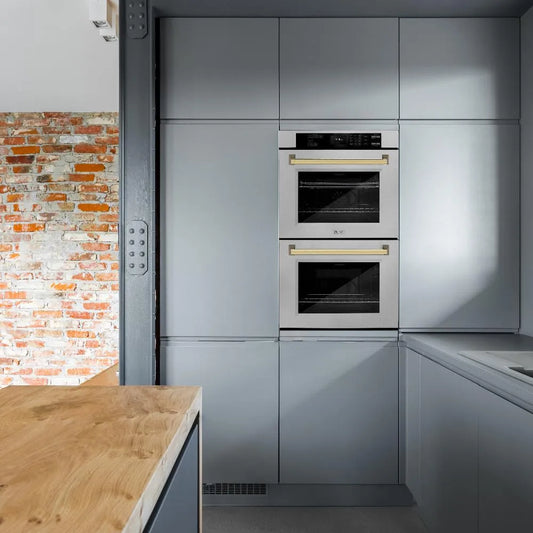
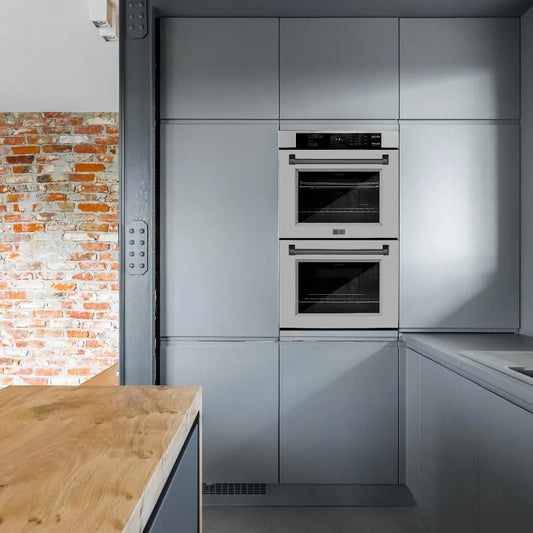
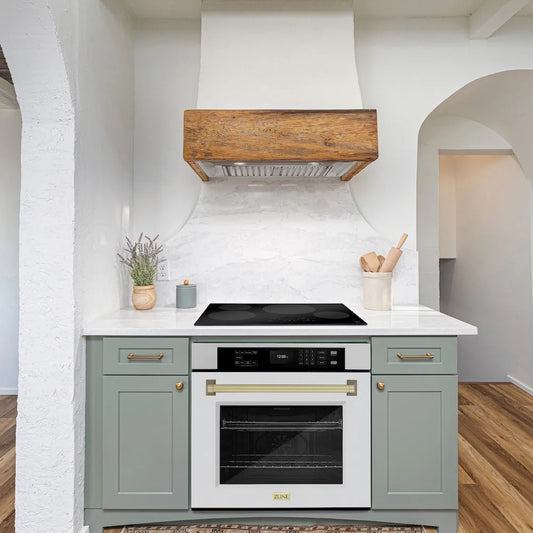
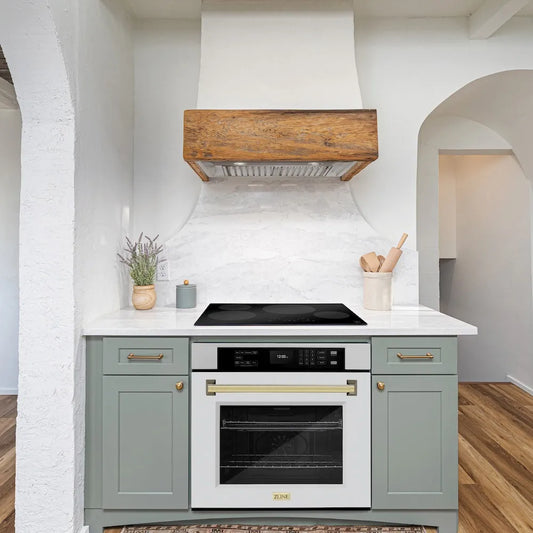
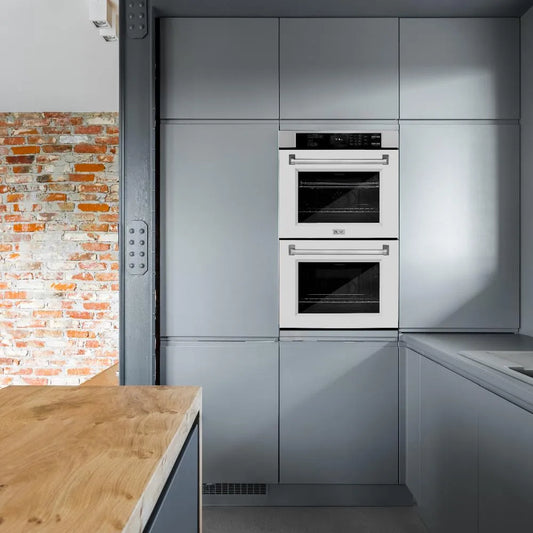
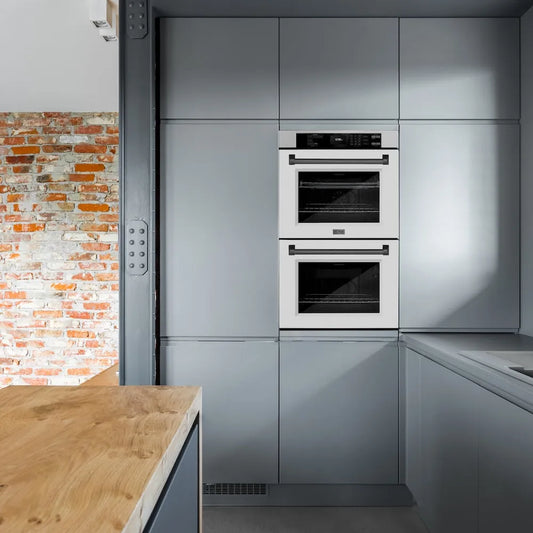
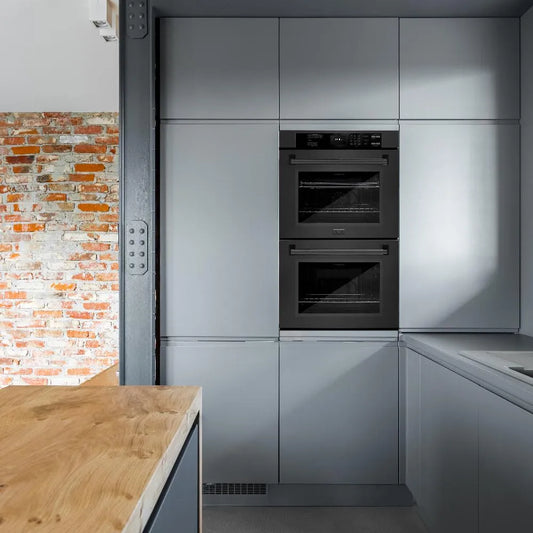
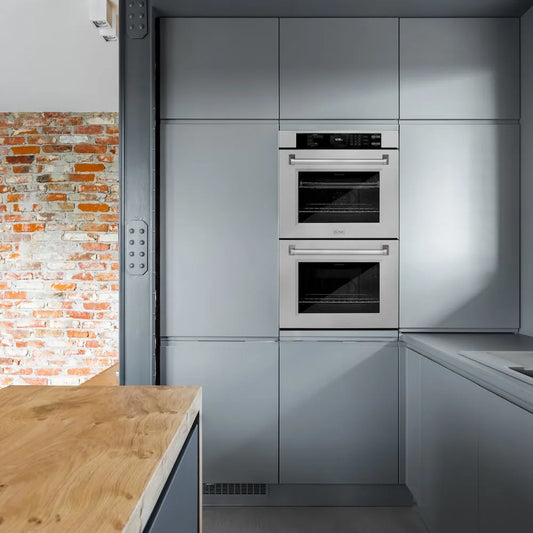
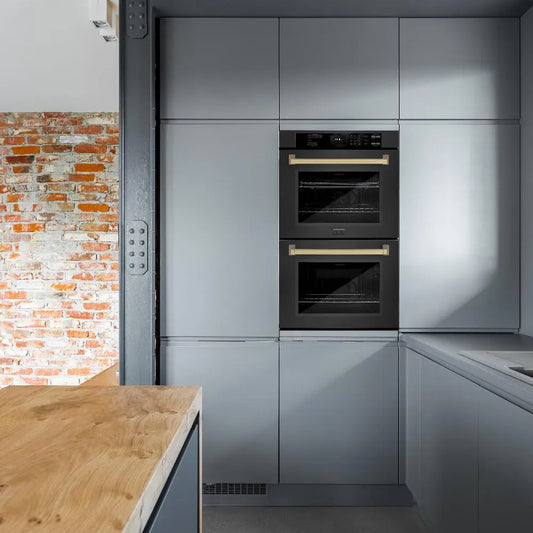
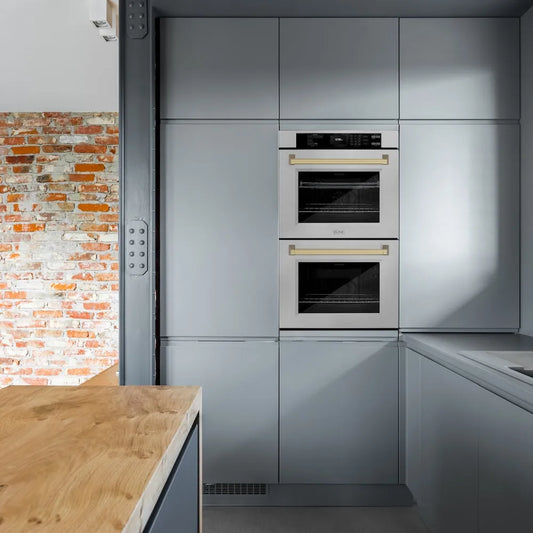
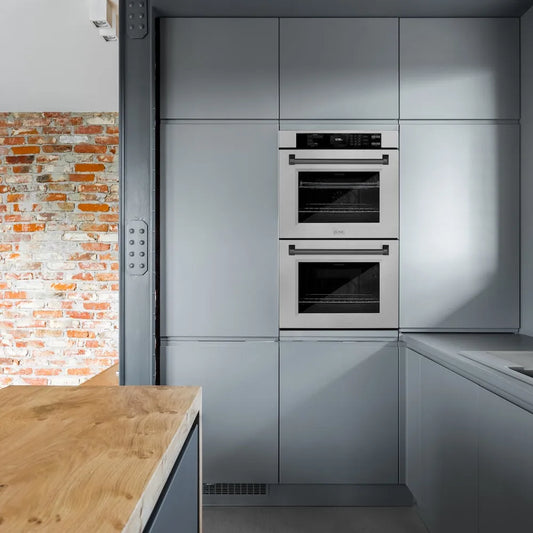
Columns are built to integrate with custom cabinetry, which makes the exterior a choice rather than a given.

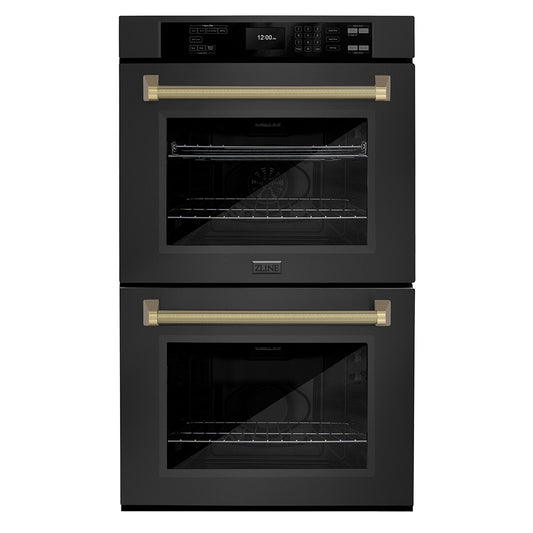
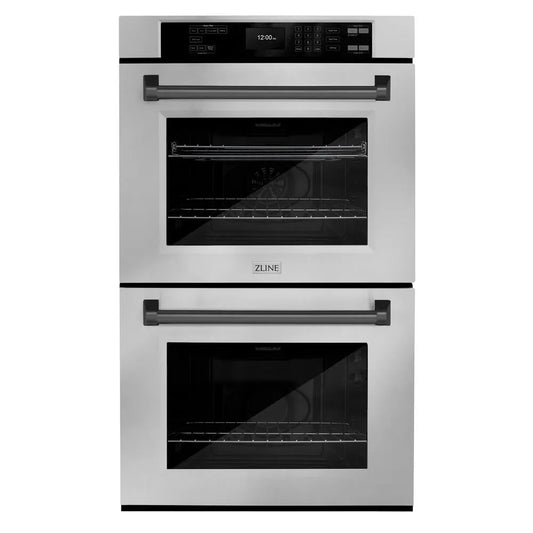
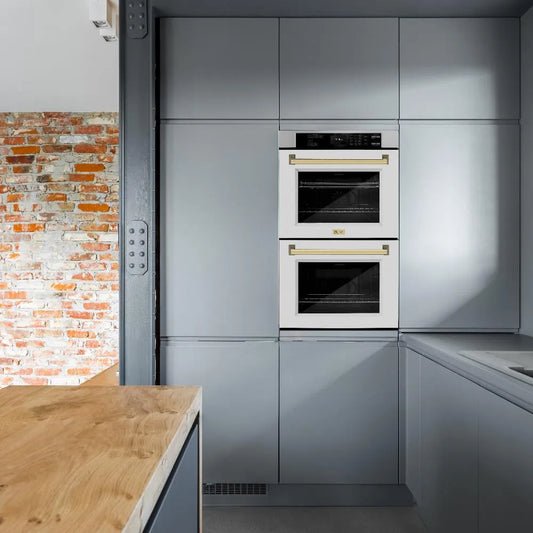
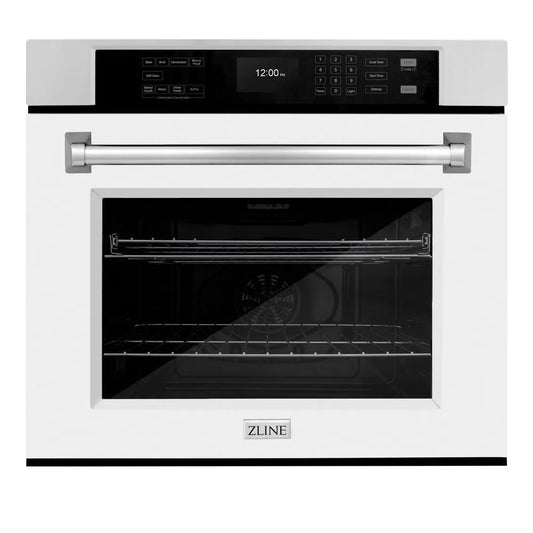
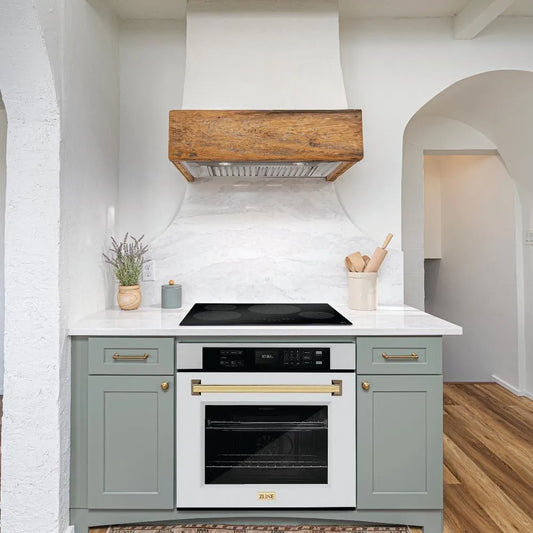
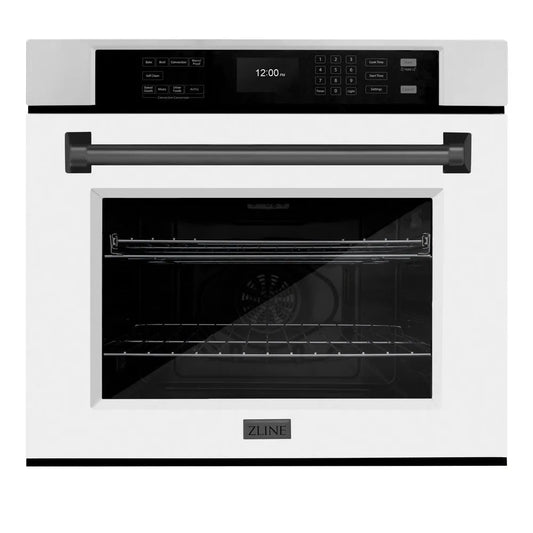
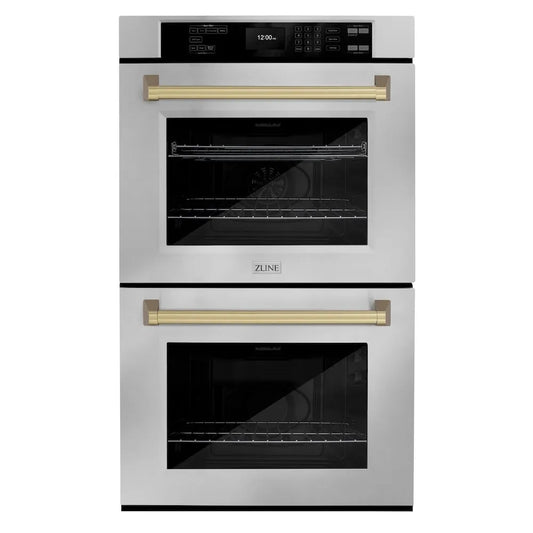
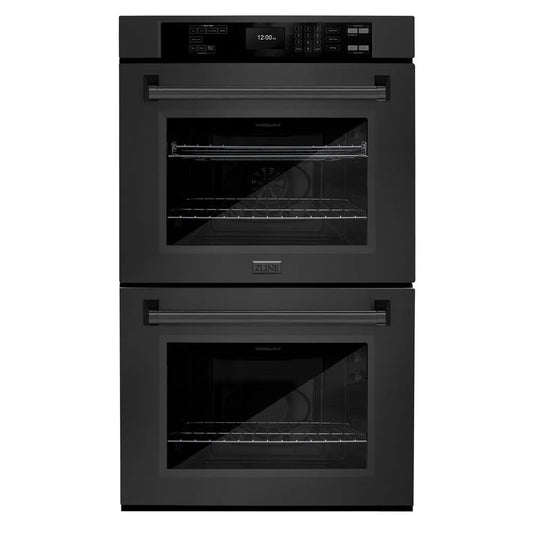
Take them fully finished—stainless steel, black stainless, satin stainless, or white matte—and you get an appliance with material presence that pairs naturally with a professional range and hood.

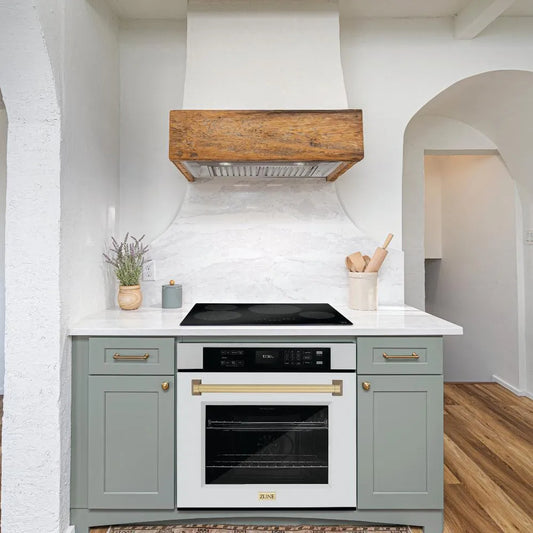
Or go panel ready, and the columns accept your own cabinetry doors: same wood, same finish, same reveal, same hardware as the run they sit in. Now the unit is concealed and will complement your design rather than taking your eyes away from the details.

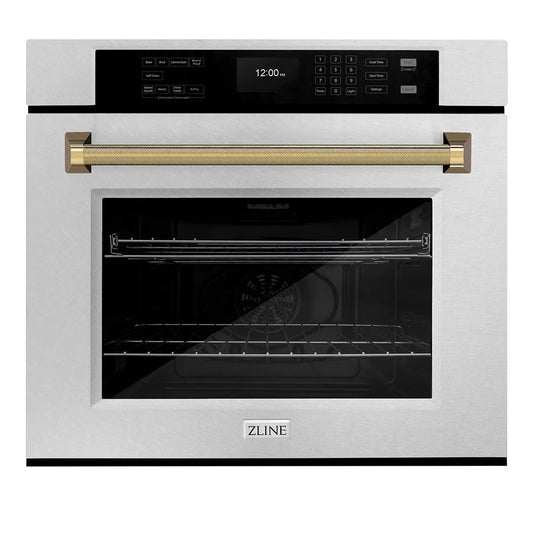
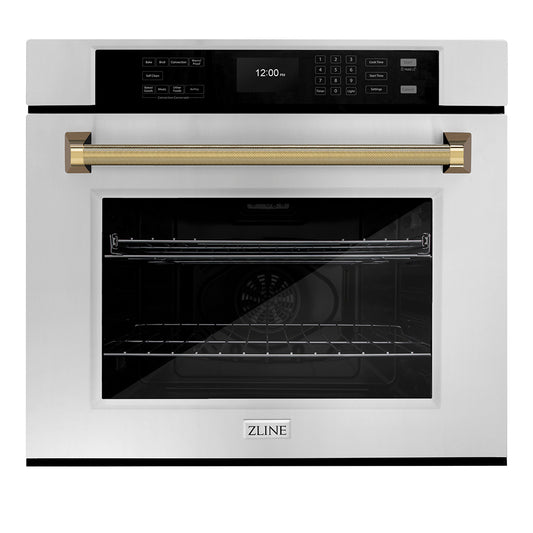
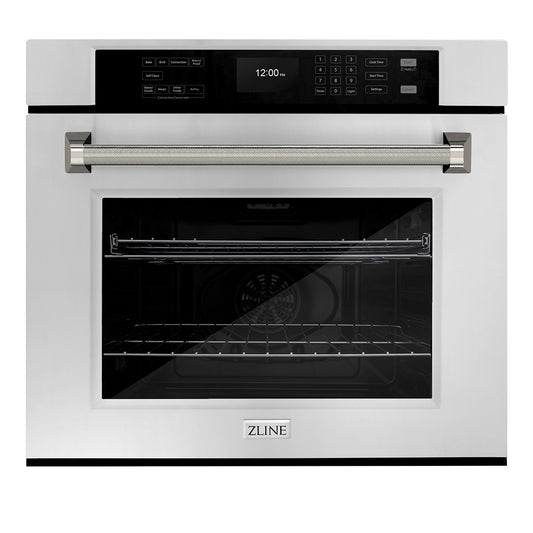
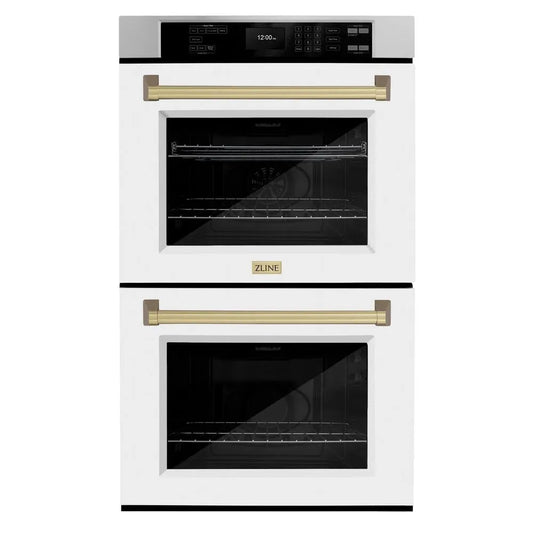
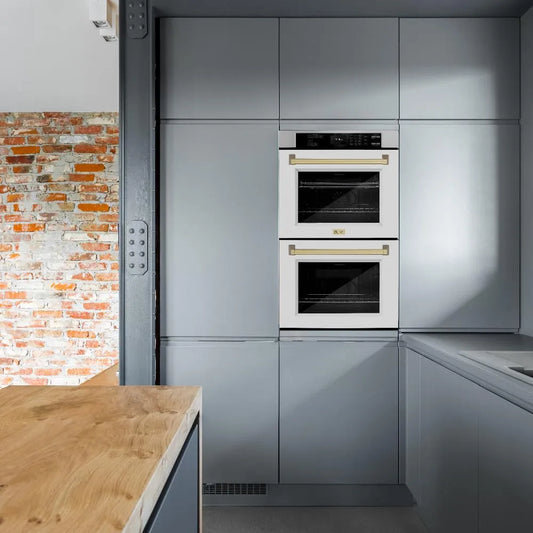
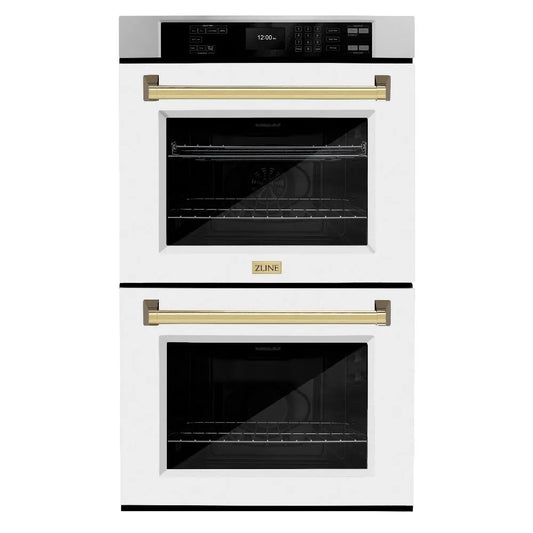
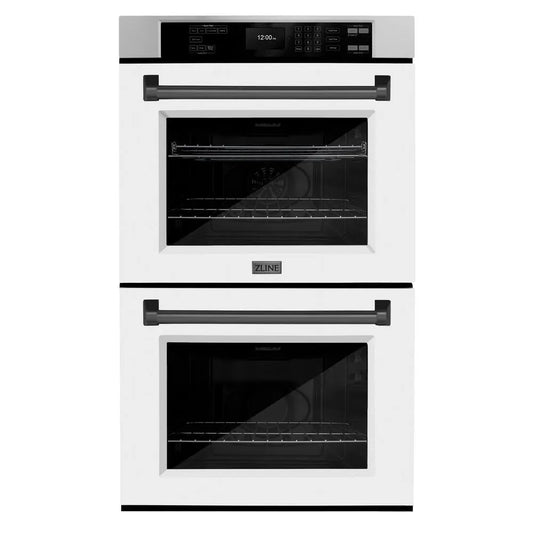
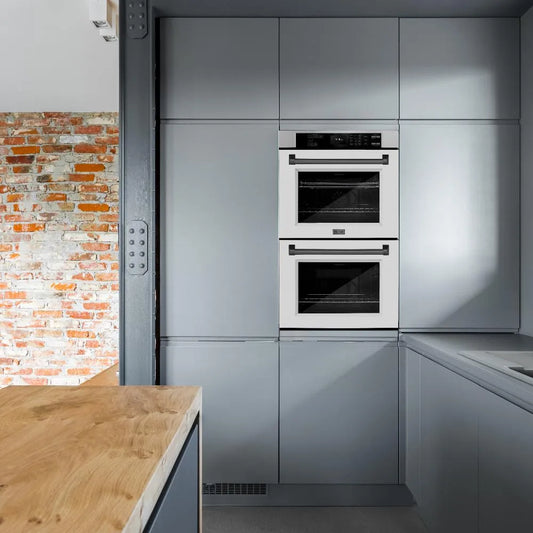
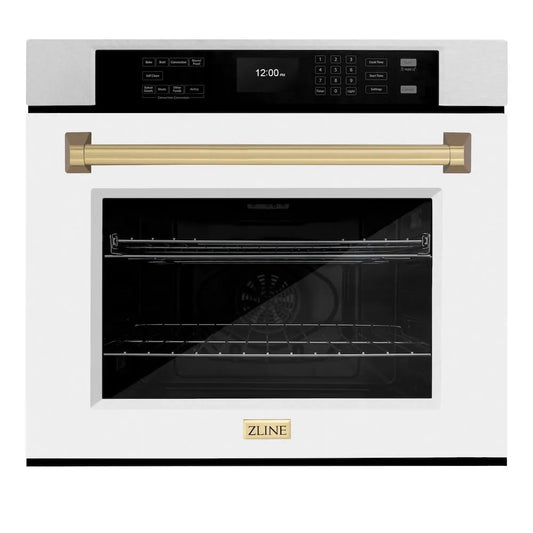
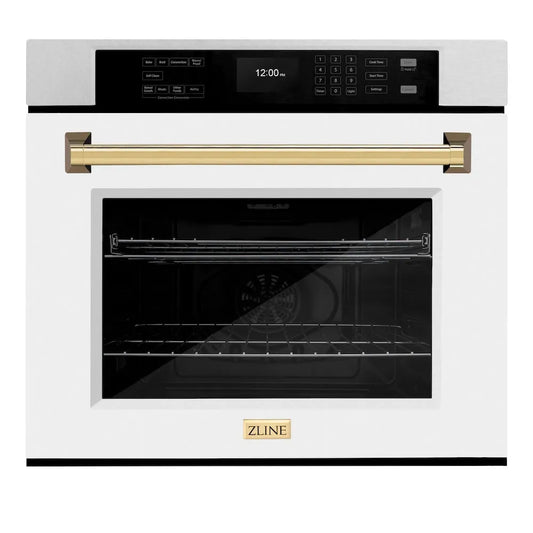
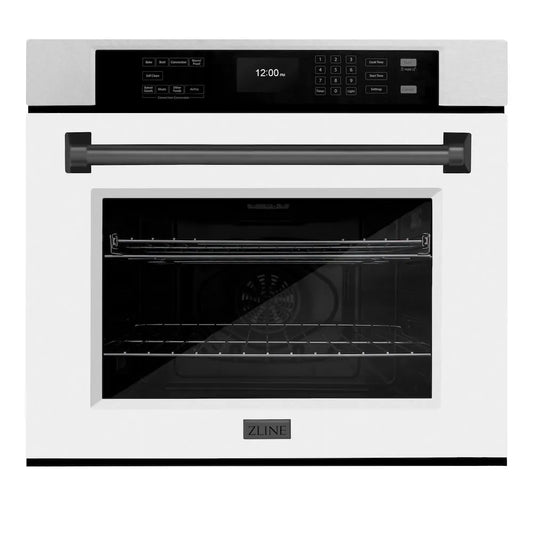
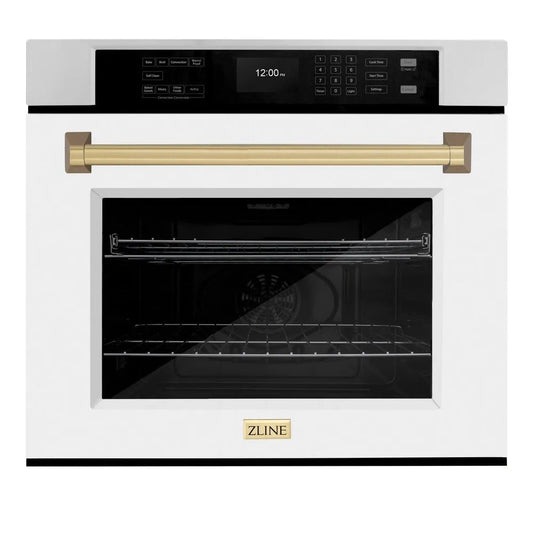
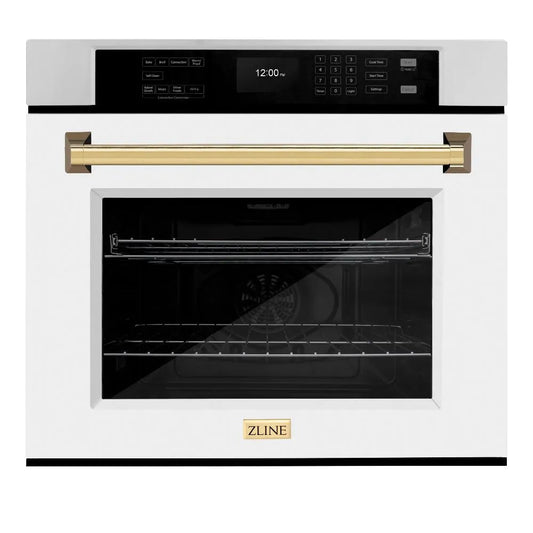
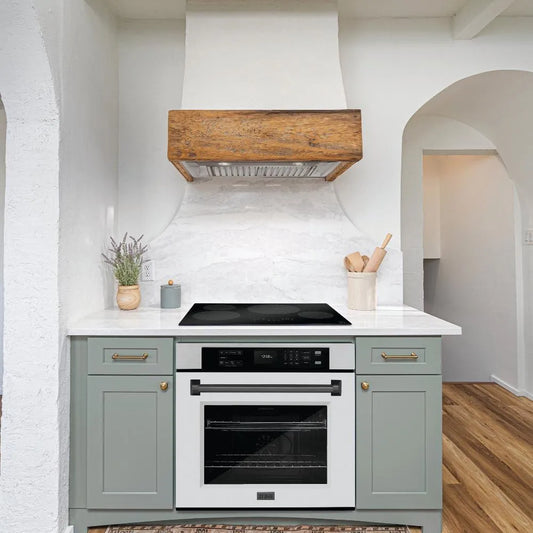
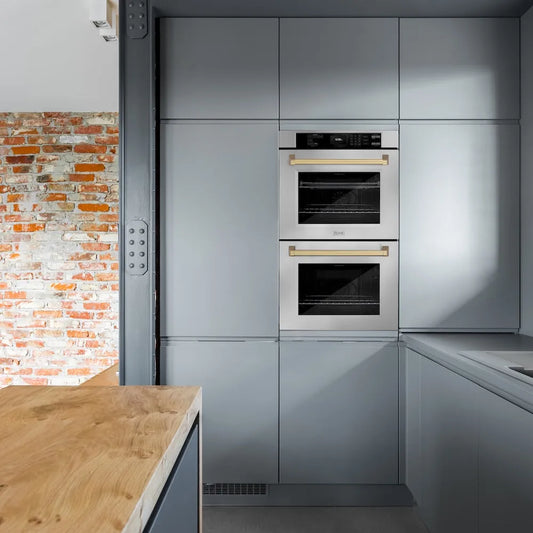
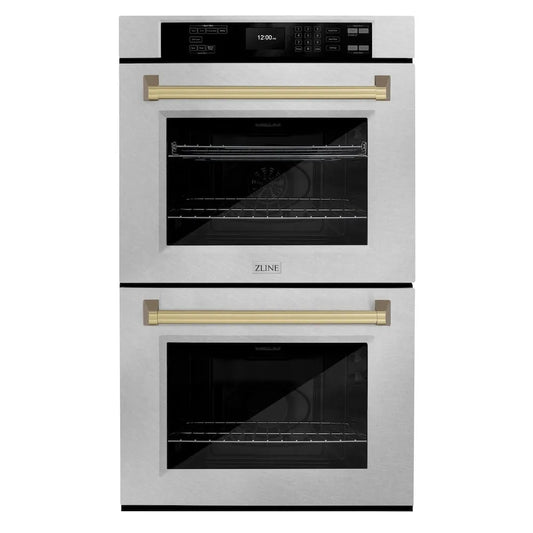
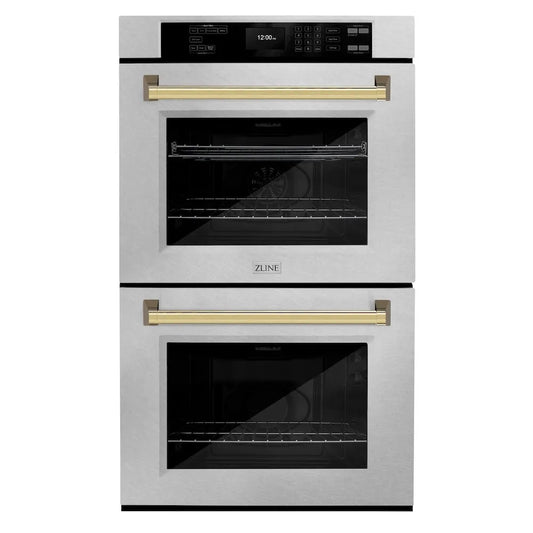
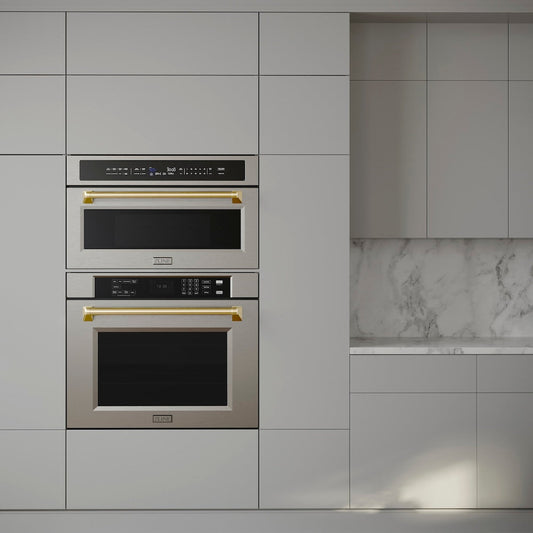
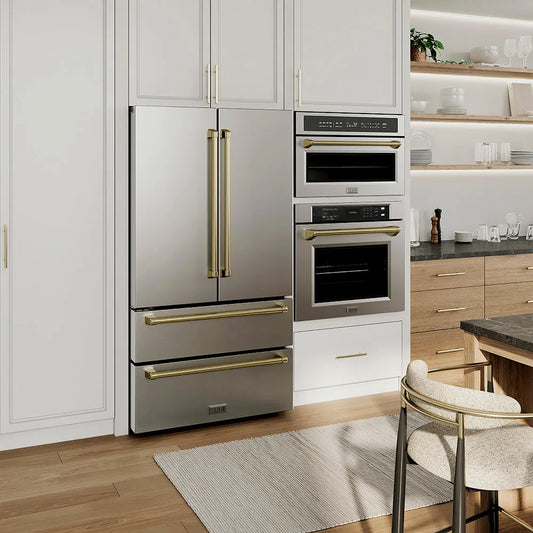
For kitchens that want integration without uniformity, Autograph Edition hardware adds handles in champagne bronze, polished gold, or matte black. This way, the hardware can match across your other appliances and cabinet pulls. 

Where Convection Shines

Roasted meats and poultry: Skin crisps evenly, and larger cuts cook through more consistently.
  • Roasted vegetables: Moisture evaporates quickly, so vegetables caramelize instead of steaming. Fall's squash, root vegetables, and Brussels sprouts are ideal candidates.
  • Cookies on more than one rack: Circulating air means the top and bottom trays bake at nearly the same rate, without rotating pans halfway through.
  • Pastry and pie crusts: Steam escapes quickly, so layers lift and set before they turn soggy.
  • Breads with a crisp crust: Dry, moving air builds a crackling exterior.
  • Dehydrating: Low heat and steady airflow allow easier drying of fruit, herbs, or tomatoes.
Convection_Cooking_Explained_Blog-ZLINE-Lifestyle-7

When to Turn the Fan Off

The same airflow that crisps a chicken can work against foods that need to set slowly. Cakes may rise unevenly or bake with a lopsided top. Custards, cheesecakes, and crème brûlée can form a skin or crack before the center is done. Soufflés and other airy bakes can set unevenly as the moving air pushes against them.

Covered dishes and braises won't suffer in convection mode, but they won't gain much either, since a lid keeps the circulating air away from the food. When in doubt, ask whether you want the surface of the dish dry and browned. If not, leave the fan off.
Convection_Cooking_Explained_Blog-ZLINE-Lifestyle-8
Convection_Cooking_Explained_Blog-ZLINE-Lifestyle-9
Convection_Cooking_Explained_Blog-ZLINE-Lifestyle-10
Convection_Cooking_Explained_Blog-ZLINE-Lifestyle-8
Convection_Cooking_Explained_Blog-ZLINE-Lifestyle-9
Convection_Cooking_Explained_Blog-ZLINE-Lifestyle-10

Give the Air Room to Move

Convection works only as well as the air can circulate. A few habits make a noticeable difference:
  • Use rimmed sheet pans and shallow roasting pans: Tall sides block airflow and leave the lower part of the food in still air.
  • Don't crowd the pan: Leave space between pieces so air reaches every side, especially when roasting vegetables.
  • Leave room around the pans: Keep an inch or two between pans and the oven walls, and stagger pans on different racks so they aren't stacked directly over each other.
  • Tent if browning runs ahead: If the surface is done before the center, a loose sheet of foil protects it while the inside catches up.

Air Fry Is Convection, Intensified

An air fry setting uses the same principle as convection, pushed further: higher heat and stronger airflow that crisp the surface quickly with little or no oil. It's ideal for fries, wings, breaded cutlets, and anything else you want crunchy.

For best results, spread food in a single layer on a perforated basket or tray so air reaches the underside too. Built into a full-size oven, air frying means a whole tray for a gathering rather than batch after batch on the counter.
Convection_Cooking_Explained_Blog-ZLINE-Lifestyle-11

The Oven Built Around It

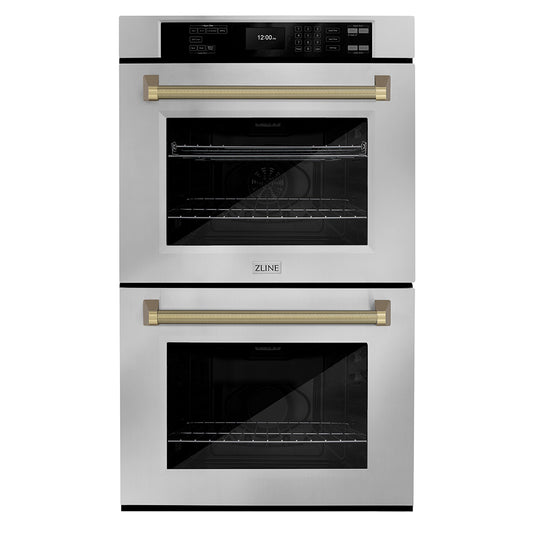
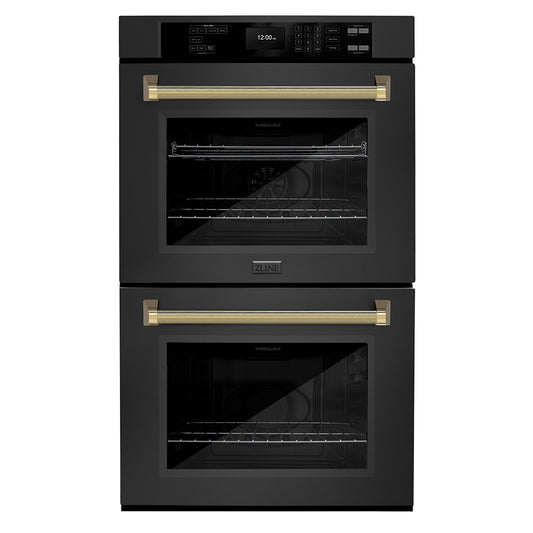
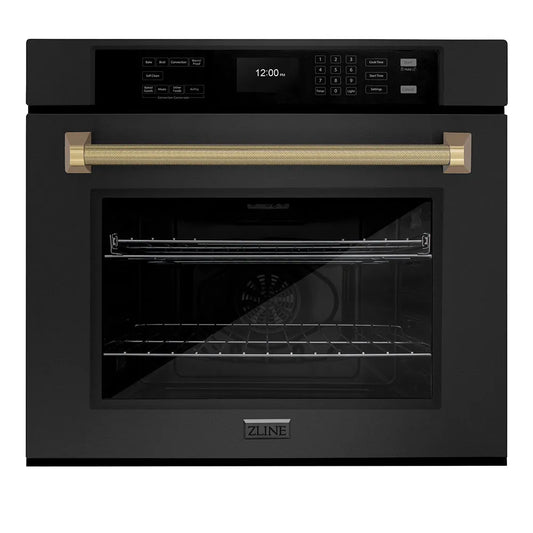
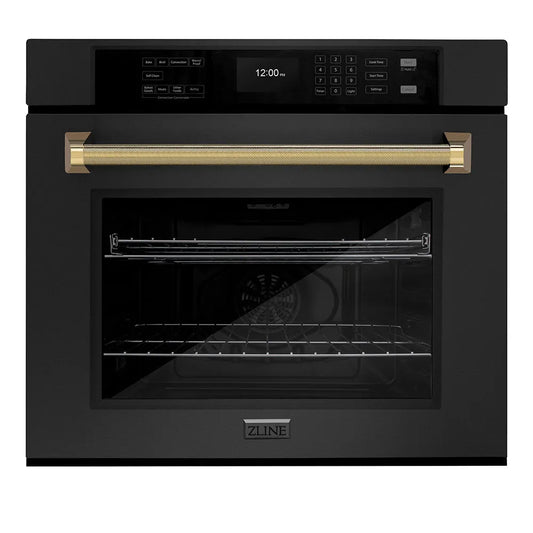
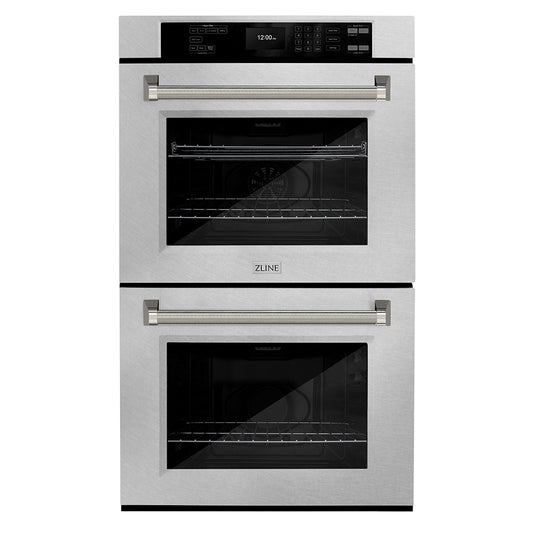
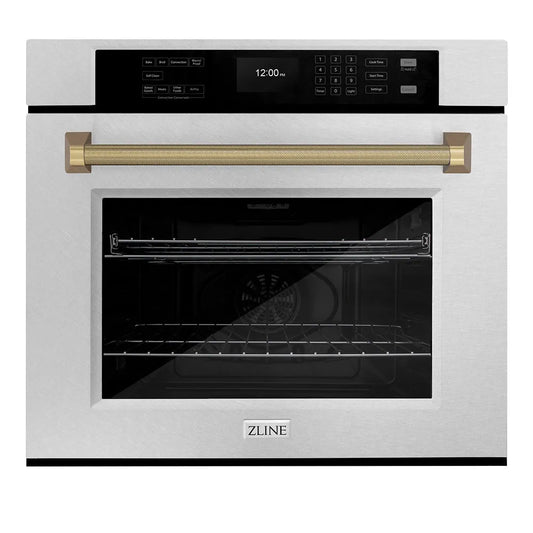
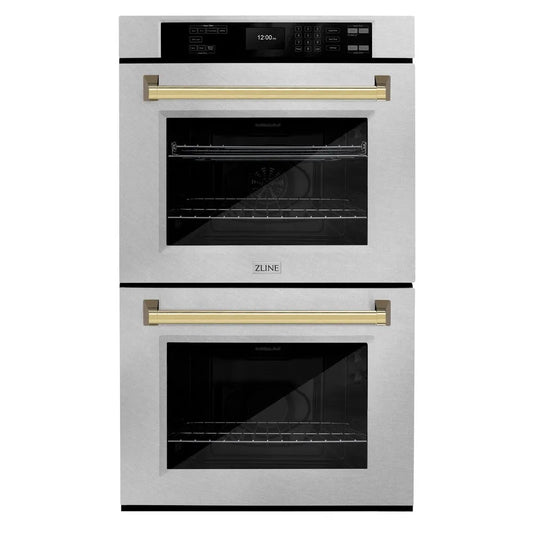
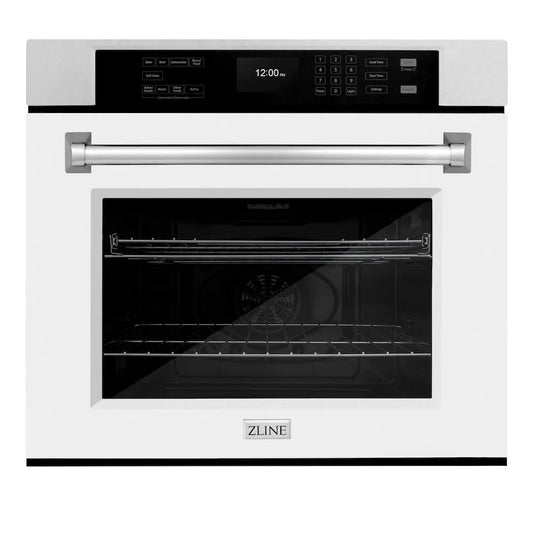
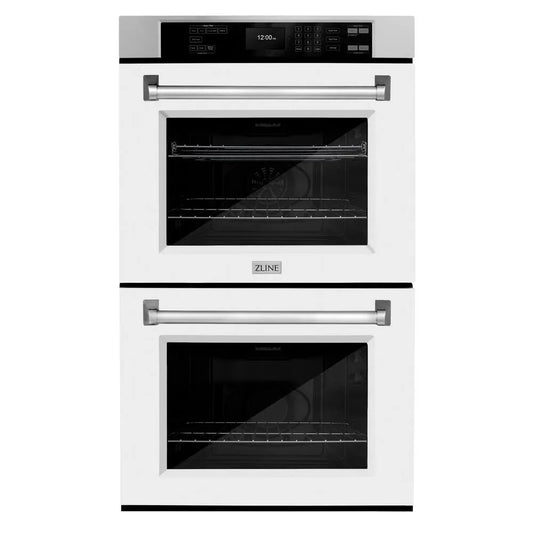
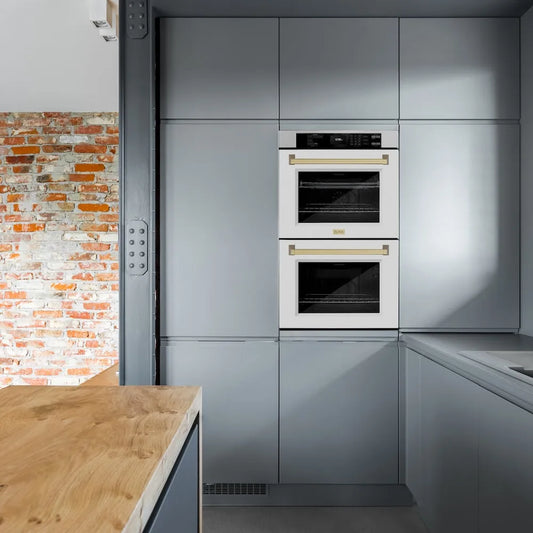
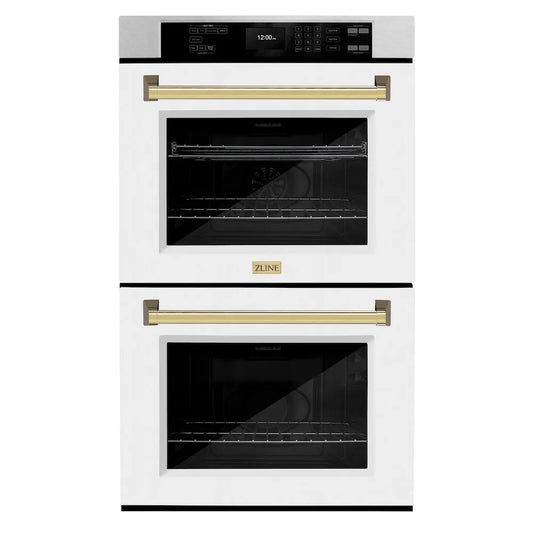
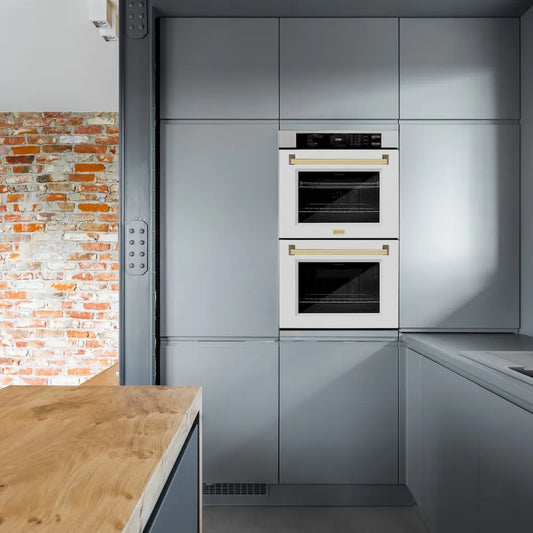
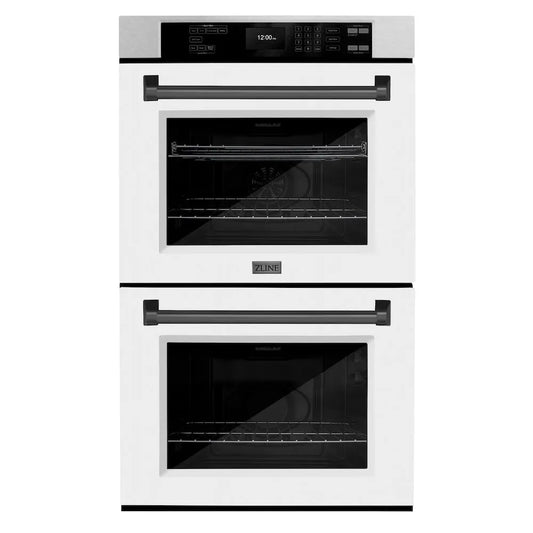
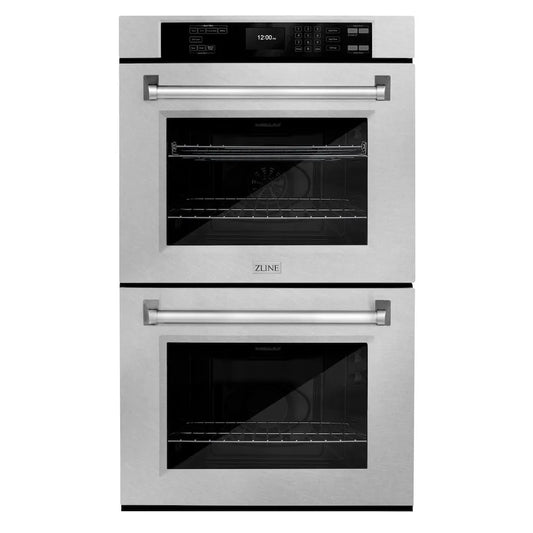
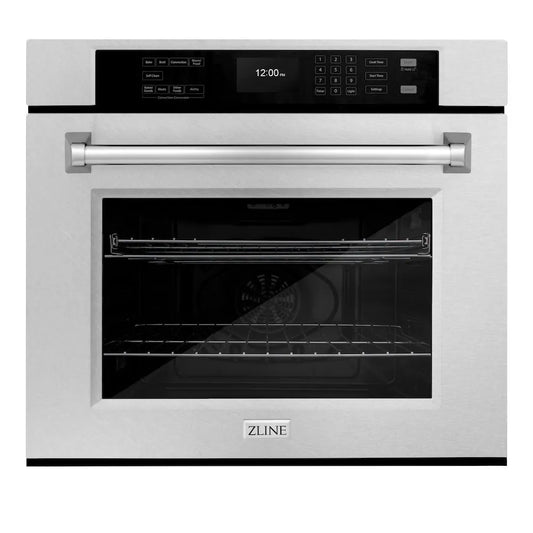
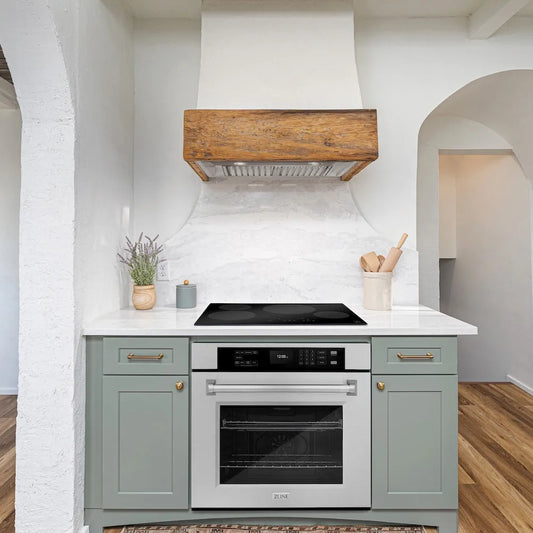
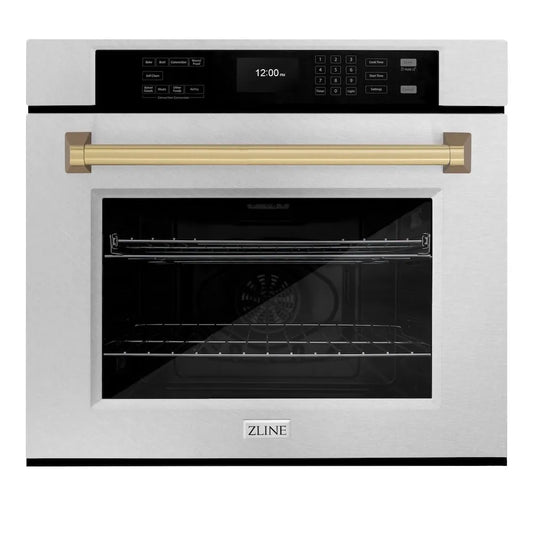
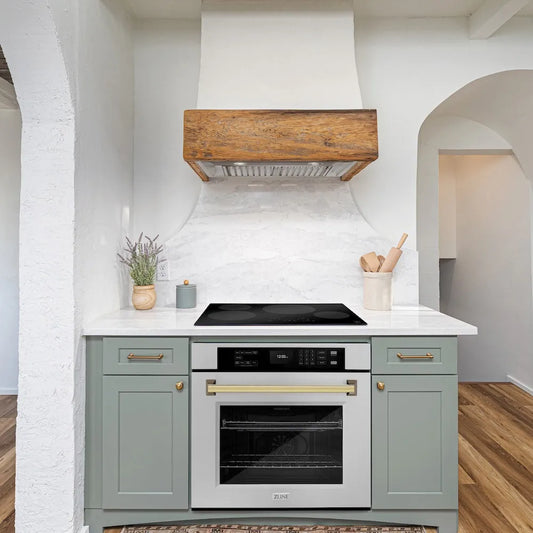
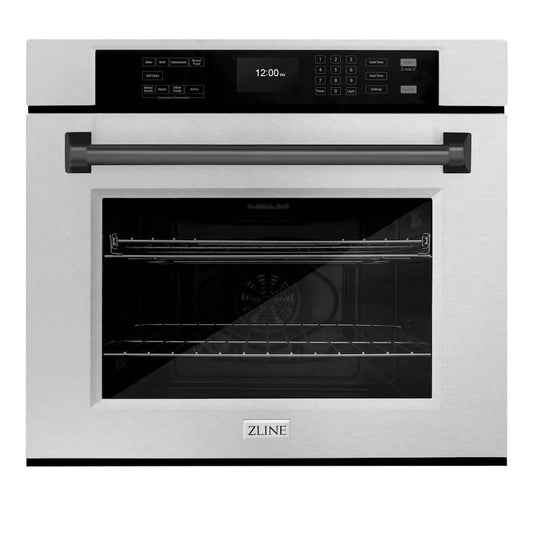
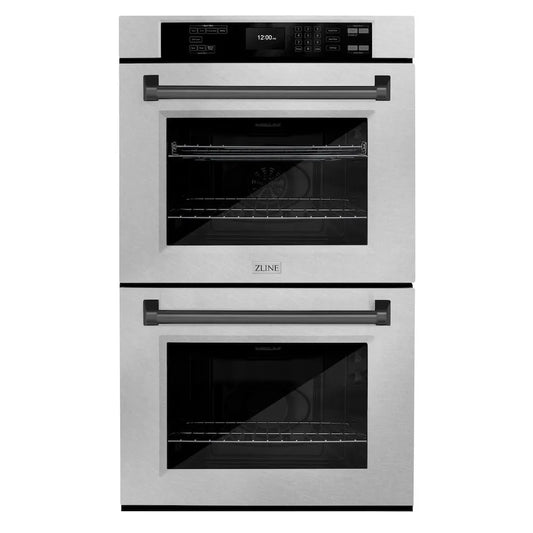
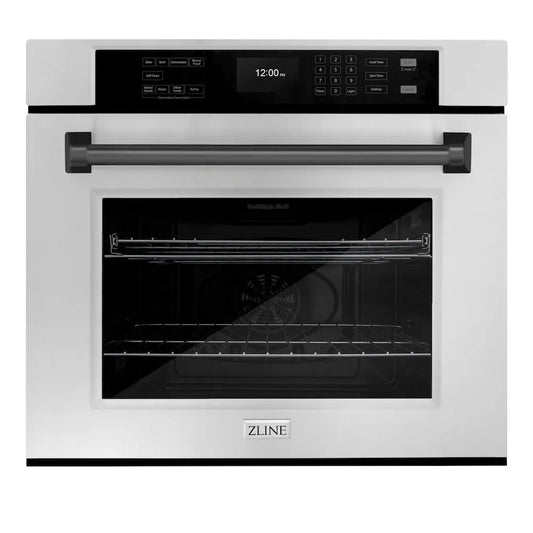
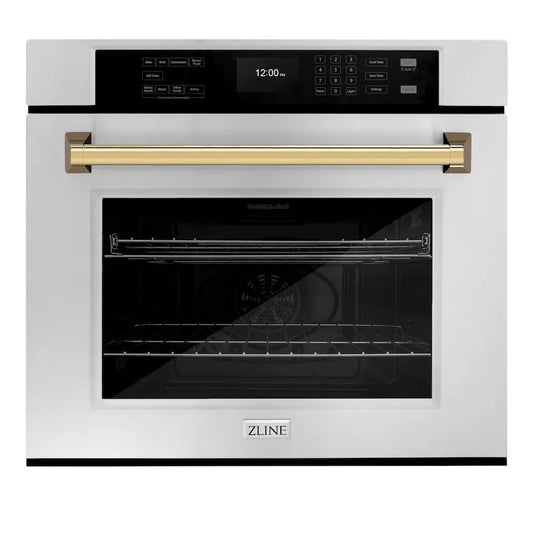
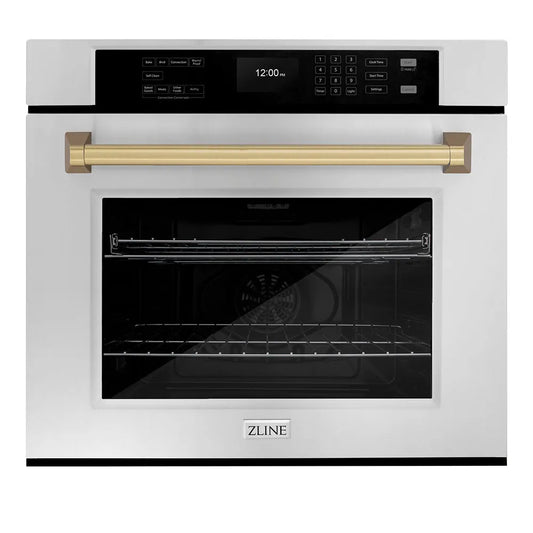
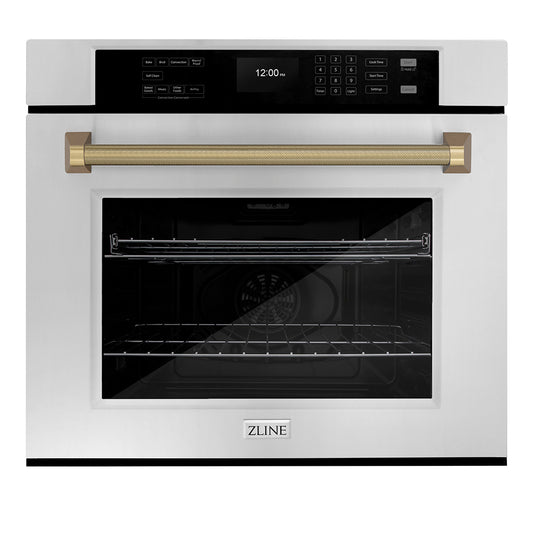
Every ZLINE Wall Oven is built on true convection, with a third heating element behind the fan for heat that stays consistent from rack to rack. Dedicated Convection Bake, Convection Roast, and Convection Broil modes match the airflow to the task, and Air Fry delivers the crispest results without another countertop appliance taking up space.

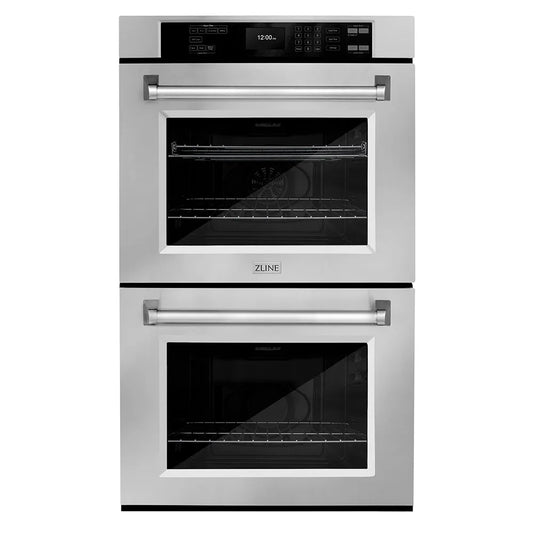
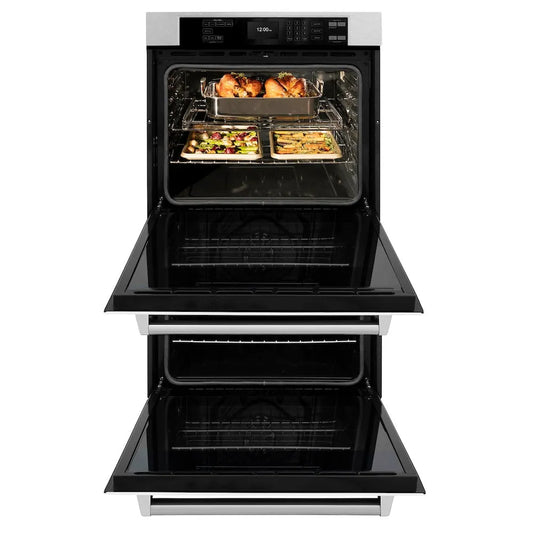
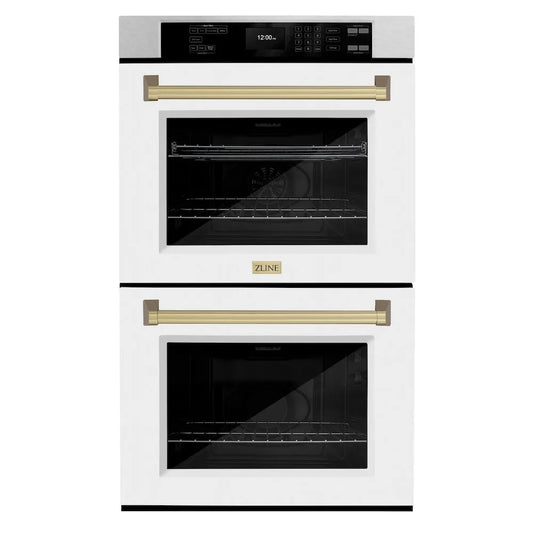
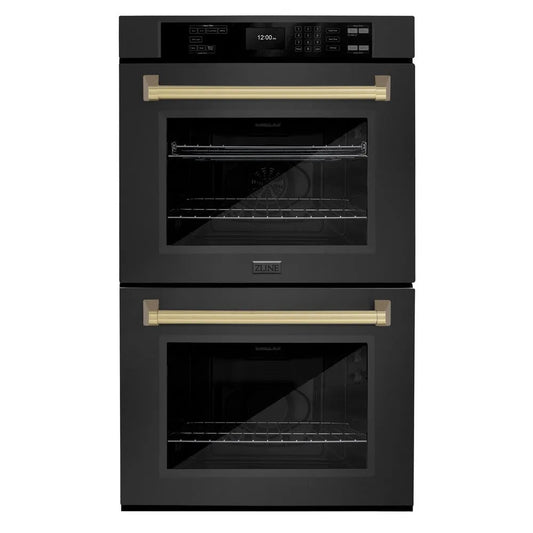
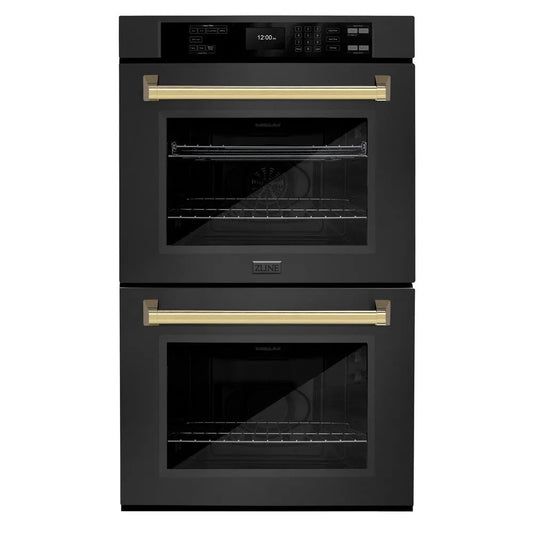
Proof and Warm modes round out the oven for baking days, holding the gentle, steady temperatures bread dough needs to rise. In a double wall oven, you can run a convection roast in one oven while a delicate dessert bakes conventionally in the other, so each dish gets exactly the heat it needs.

Frequently Asked Questions

What is convection cooking?

Convection cooking uses a fan to circulate hot air throughout the oven. Moving air transfers heat to food more efficiently than still air, which means faster, more even cooking and better browning.

What is the difference between convection and true convection?

A basic convection oven circulates air heated by the top and bottom elements. True convection adds a third heating element around the fan, so the air is heated as it moves, which keeps temperatures more consistent throughout the oven.

Do I need to adjust recipes for a convection oven?

Usually, yes. Reduce the temperature by about 25°F, or keep the temperature and check for doneness roughly 25% earlier. Some ovens adjust automatically in convection mode, so check your manual first.
What should you not cook in a convection oven?
Delicate items that need to set gently, such as cakes, custards, cheesecakes, and soufflés, generally do better in conventional mode.
Is air frying the same as convection cooking?
Air frying is a more intense form of convection that uses higher heat and stronger airflow to crisp food quickly with little or no oil.

Explore true convection wall ovens