Lifestyle

The Art of Fall Hosting: 
A Guide to Fall Hosting Essentials

Fall brings more entertaining than any other stretch of the year. Between casual Sunday dinners, Friendsgiving, Thanksgiving, and the holiday parties that follow, your kitchen does more work in these few months than it does the rest of the year combined.

Hosting well has less to do with cooking quickly than it does with having a kitchen that can handle several things at the same time. This guide walks through each stage of a gathering—planning, prep, cooking, serving, drinks, and cleanup.

Plan Ahead, and Make Sure You Have the Cold Storage for It

Most fall menus are built around make-ahead cooking. Braises taste better on the second day, stock needs time to chill so you can skim the fat, pie dough should rest overnight, and a turkey that gets brined needs somewhere cold to sit for a day or two. All of that is good practice, and all of it competes for refrigerator space during the busiest cooking week of the year.

This is where column refrigeration helps. Each refrigerator column runs two independent cooling zones instead of one shared space. The upper zone holds between 36°F and 47°F and works well for ingredients you are still using — produce, dairy, and the vegetables you have not broken down yet. The lower zone contains three flex drawers that adjust anywhere from 30°F to 41°F, which means you can dedicate one drawer to proteins at the coldest setting, another to prepped vegetables, and a third to whites and rosés you want ready to serve.

The practical benefit is that your make-ahead dishes get their own space at their own temperature, and you can still see what is on the shelf above them. If you want a more detailed look at how columns are configured, our guide to column refrigeration covers sizing and layout in depth.

Sharp Knives Make Fall Prep Much Faster

Autumn produce is simply harder to cut than summer produce. Butternut and kabocha squash, celery root, cabbage, and apples by the dozen all take real effort with a dull blade, and that effort adds up over a long prep session.

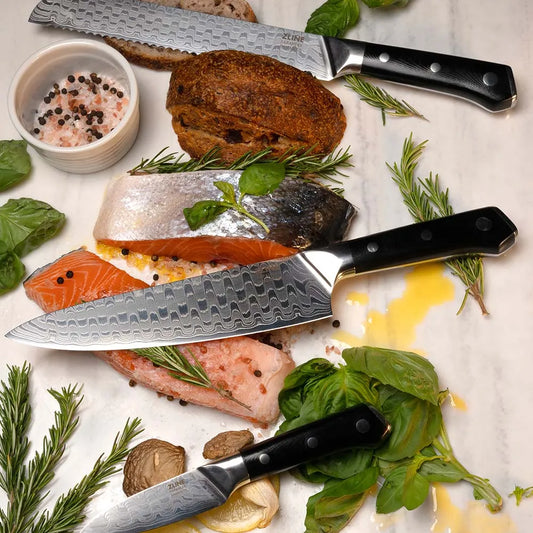
A quality chef's knife is the easiest upgrade to make here. ZLINE's Japanese Damascus knives are built from 45 layers of Damascus steel and carry a 60-plus Rockwell hardness rating, with the edge honed to between 9 and 13 degrees. In practice, that means a squash halves cleanly instead of binding partway through, herbs stay green rather than bruising, and you finish your prep before the kitchen gets warm.

There is a cooking benefit as well. Vegetables cut to a consistent size roast at a consistent rate, which is most of what separates an evenly caramelized tray from one that is half burnt and half underdone.
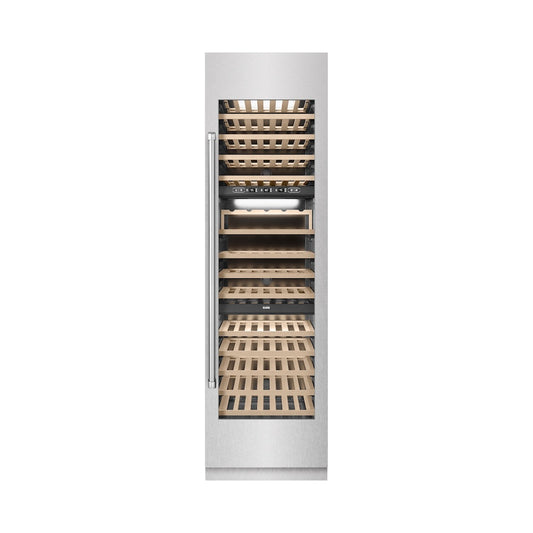
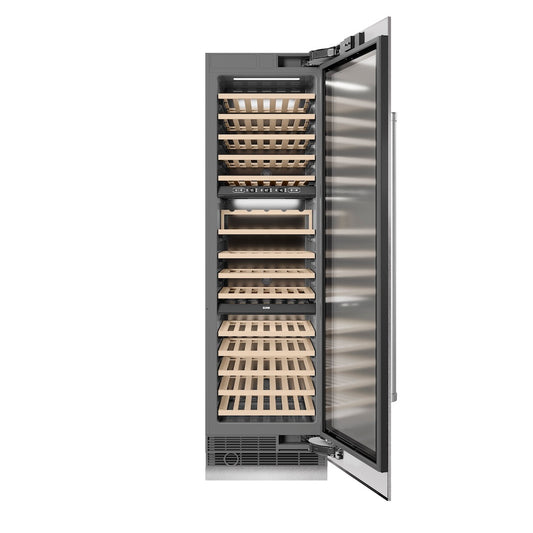
ZLINE panel-ready wine column built into wood cabinetry, with rosé bottles on full-extension birch shelves and a digital dual-zone temperature display.

Give Yourself a Cooktop That Can Do Everything at Once

About forty-five minutes before you serve, most of your menu needs to utilize the cooktop at the same time. You may have a gravy or pan sauce that cannot be allowed to break, a protein that needs a hard sear, and a pot of potatoes that should already be boiling.

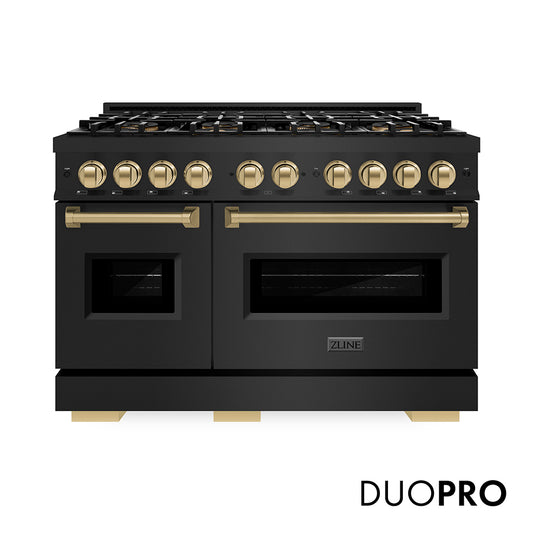
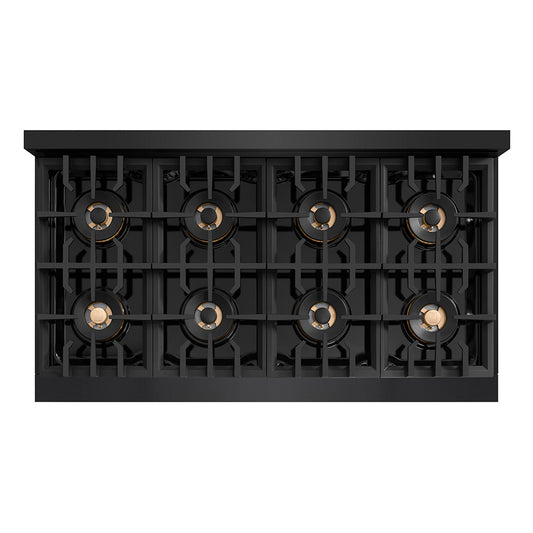
On many ranges, only one or two burners deliver serious heat, so something gets moved to a weaker burner and suffers for it. A range with DuoPro™ burners avoids that problem, because every burner position runs the full output range — from a true simmer at 800 BTUs all the way up to 25,000 BTUs. You can hold a delicate sauce on one burner while searing on the next and boiling on the one behind it, without rearranging pans to reach the burner you actually need.
Chicken thighs searing with red grapes and shallots in a white enameled cast iron skillet on a ZLINE gas cooktop.
Hands mincing fresh thyme with a Damascus steel chef's knife on a wood cutting board, beside a colander of red grapes and prepped ingredients.
Hands rinsing three green pears under a kitchen faucet while prepping fall produce for a dinner party.
Chicken thighs searing with red grapes and shallots in a white enameled cast iron skillet on a ZLINE gas cooktop.
Hands mincing fresh thyme with a Damascus steel chef's knife on a wood cutting board, beside a colander of red grapes and prepped ingredients.
Hands rinsing three green pears under a kitchen faucet while prepping fall produce for a dinner party.

Two Oven Cavities Solve the Holiday Bottleneck

The oven is usually the tightest constraint of the season. A turkey or a large roast occupies a single oven for hours at a temperature that suits almost nothing else, while the stuffing, the gratin, the vegetables, and the pie all need heat of their own.

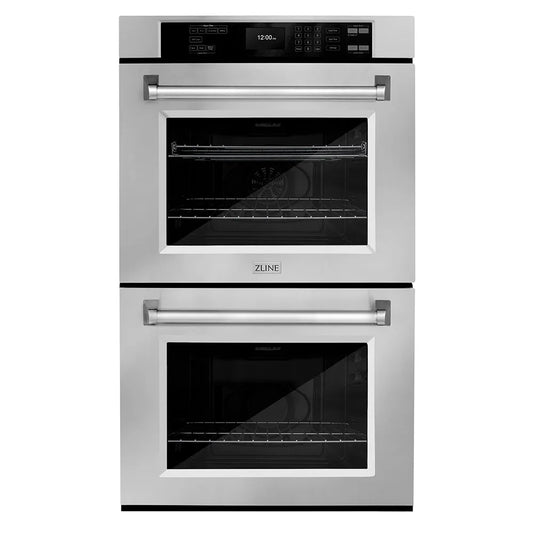
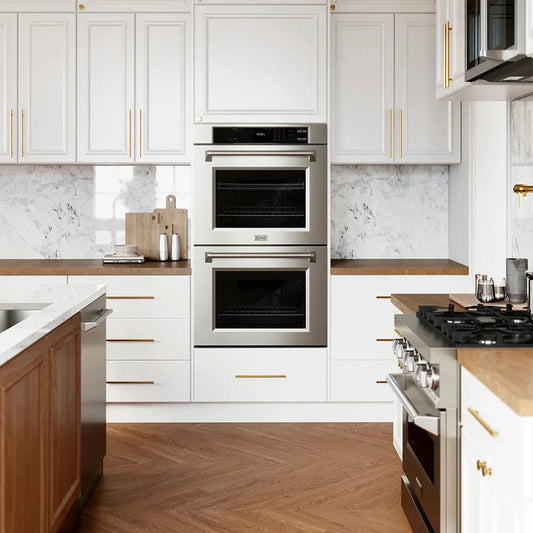
double wall oven gives you two independent cavities, which means two temperatures and two schedules running side by side. You can roast in the lower cavity while convection baking in the upper one, or air fry a tray of Brussels sprouts while a pie finishes below. Nothing has to wait its turn, and nothing needs reheating because it came out too early.
This is also the most hands-off part of hosting. Once the oven is loaded and running, you are free to be with your guests rather than standing at the stove.
Roasted chicken with grapes, shallots and rosemary served in a white cast iron skillet on a linen-covered table beside vintage plates.

Choose Cookware That Moves From Stove to Oven to Table

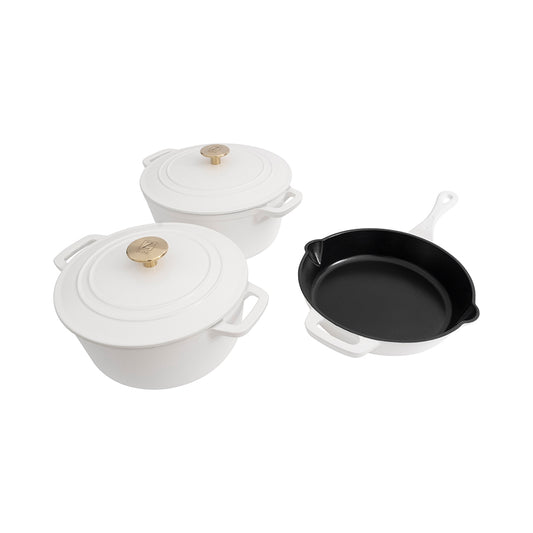
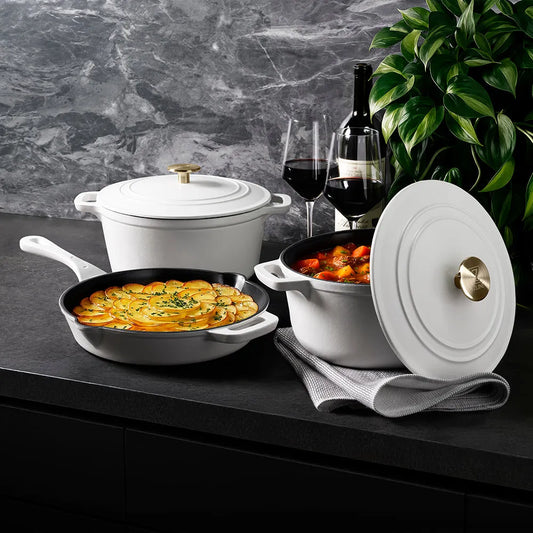
The most useful hosting pieces are the ones that handle more than one job. Cast iron cookware is the clearest example, because you can sear on the cooktop, transfer the same pan into the oven — it is rated oven-safe up to 500°F — and then bring it directly to the table.

That saves you a serving dish and a transfer step, and it keeps food hotter for longer. Cast iron holds its temperature well after a ceramic platter would have gone cold, so second helpings at the end of a long dinner are still worth having. A braise or a skillet cornbread served in the pan it was cooked in also makes a warm, natural centerpiece for the table.

Have Your Wine Chilled Before Anyone Arrives

Fall is one of the few seasons when both reds and whites belong on the same table. Fuller reds pair naturally with braises and roasts, while a crisp white or Riesling is often the better match for turkey and root vegetables.

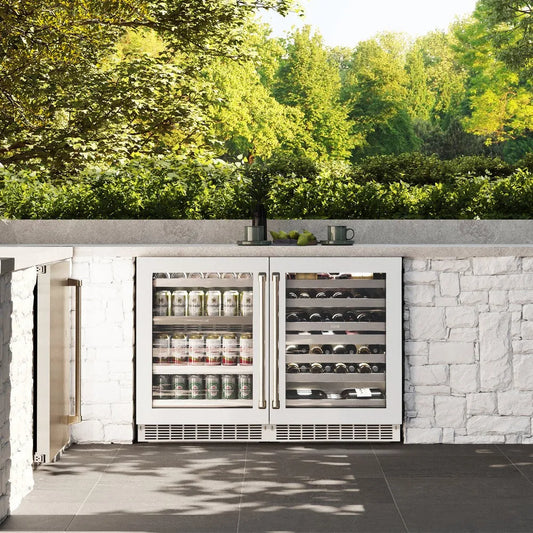
The difficulty is keeping both at the right temperature at the same time. The white usually ends up forgotten in the freezer, and the red has been sitting near the range all afternoon. Touchstone dual zone wine cooler  solves this by holding two separate temperatures at once, so your reds and whites are both ready to pour the moment guests arrive.
Fall table setting with a cast iron skillet of roasted chicken, a glass of red wine, a candle nestled in radicchio, and vintage floral plates

Keep Ice Available Throughout the Evening

Drinks get made more than once over the course of a long evening, and ice is the thing most likely to run out. A dedicated undercounter ice maker keeps the bin full all night, with clear cube ice for spirits and stirred cocktails or gourmet ice for anything served over it.

Paired with a wine cooler, it turns beverage service into a self-contained station. Guests can pour their own drinks, and you are not stepping away from a conversation to refill trays or run out for a bag of ice.
Long outdoor dinner table set with white linen, red wine bottles, stemware, taper candles and clusters of grapes under a fruit tree.
Overhead view of a host serving roasted chicken from a cast iron skillet at a candlelit table set with red wine and a cheese board.
Close-up of red wine glasses and a lit taper candle on a fall table, with grapes and a cheese board in the background.
Long outdoor dinner table set with white linen, red wine bottles, stemware, taper candles and clusters of grapes under a fruit tree.
Overhead view of a host serving roasted chicken from a cast iron skillet at a candlelit table set with red wine and a cheese board.
Close-up of red wine glasses and a lit taper candle on a fall table, with grapes and a cheese board in the background.

Moving Everything to the Table

By the time dinner is served, the work you did days earlier is what makes the table come together. The braise arrives in the pan it was cooked in and is still steaming, the vegetables finished in one oven cavity while the roast rested from the other, the wine has been at the right temperature since midweek, and the glasses are full because the ice held out.

A well-set table rarely looks like it took effort. That impression comes from decisions made well before anyone sat down.

Make Cleanup Manageable

Cleanup after a fall gathering is a different scale than an ordinary weeknight. You are dealing with roasting pans, a stack of serving platters, and most of the glassware you own.

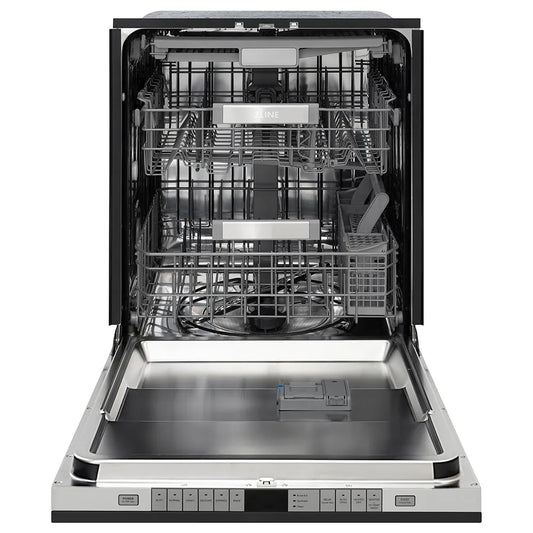
The Monument Series dishwasher is built for that volume. It cleans up to 16 place settings in a single load, which for most gatherings means everything goes in at once instead of running a second cycle at midnight. Adjustable racks make room for the larger platters that usually get set aside for hand-washing, and dedicated wine glass holders keep delicate stemware secure through the cycle. At 51 dBA, it is quiet enough to run while your guests are still at the table finishing dessert.
Open ZLINE dishwasher loaded with plates and stemware in a light wood kitchen, with a stainless steel range and gold accents in the background.

Bringing It All Together

Looked at individually, these are simply appliances. Looked at across an evening, they form a sequence that supports every stage of hosting: refrigeration that absorbs a heavy week of prep, knives that make that prep faster, a cooktop without compromises, ovens that eliminate the holiday bottleneck, cookware that carries itself to the table, wine and ice that require no attention, and a dishwasher that lets the night end on schedule.

What all of it buys you is time in the room with your guests rather than time in front of the stove. That is the real fall hosting essential, and it is worth planning for before the season gets busy.